Key Takeaways
- Operable partitions offer adaptable and stylish solutions for offices, classrooms, and event spaces.
- Assess your space’s purpose, frequency of use, and structural constraints before selecting a system.
- Select the appropriate partition type—manual, single panel, or electric—based on your size, flexibility, and usage requirements.
- Consider acoustic performance, materials, finishes, and operational mechanisms to meet functional and aesthetic goals.
- Plan budgets carefully, including installation, maintenance, and scalability.
- Ensure compliance with safety, accessibility, and fire regulations for long-term reliability and peace of mind.
Operable partitions are more than temporary walls—they are transformative solutions for businesses, educational facilities, and event spaces that need adaptability and style. The process for selecting the right operable partition goes beyond aesthetics and convenience. It involves an in-depth examination of how your space operates, how frequently it will be reconfigured, and the technical requirements for acoustics and compliance. When considering solutions, connecting with an established operable partitions manufacturer can ensure you receive expert advice and high-quality products tailored to your requirements.
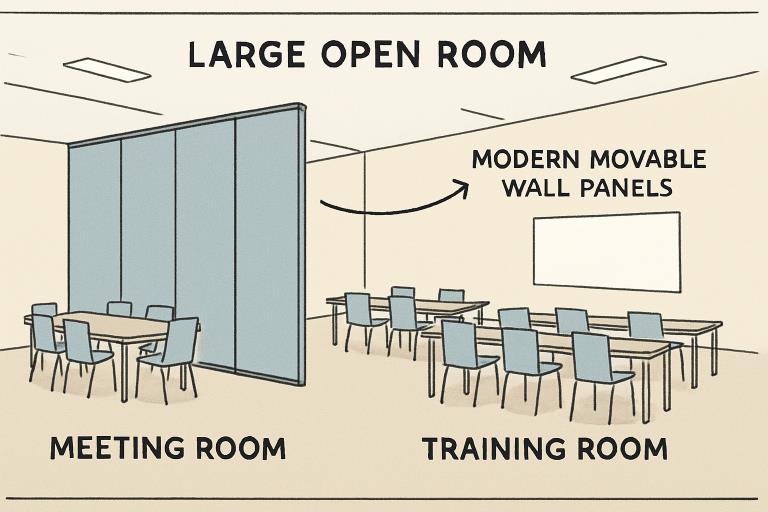
Modern operable partitions can redefine conference halls, offices, and classrooms, creating dynamic spaces that adjust to frequent changes. These partitions also significantly contribute to a building’s flexibility and operational efficiency, whether used to divide a large training room into smaller meeting spaces or provide privacy in a busy office environment.
Understanding Your Space Requirements
Every space is unique, making it essential to conduct a thorough assessment before selecting an operable partition. Begin with these core considerations:
- Purpose:Define if your main objective is enhanced privacy, better sound insulation, division of larger rooms, or simply adding style to the environment.
- Frequency of Use:Think about how often the partitions will need to be adjusted. Will they be moved daily, weekly, or on occasion?
- Structural Constraints:Carefully evaluate current ceiling heights, floor composition, and any existing architectural supports. Some systems require significant anchoring and may not be suitable for every structure.
Types of Operable Partitions
The wide range of operable partitions ensures there’s a match for every application, whether your focus is on classroom flexibility, adaptable ballrooms, or high-traffic public areas. Here’s a closer look at the main categories:
Manual Paired Panel Systems
Hinged in pairs and sliding along a shared track, these manual panels are ideal for applications that demand rapid changes without complicated installation. Frequently found in educational and office settings, they offer a balance between affordability and ease of use.
Single Panel Systems
These independent panels excel in versatility and can be customized to form a variety of room shapes and sizes. Especially useful for large venues or facilities with unique layouts, they require more extensive structural support but reward users with unmatched flexibility and adaptability.
Continuously Hinged Electric Systems
For extensive, open areas like gymnasiums or auditoriums, electric systems allow for seamless, almost effortless movement of connected panels. Their motorized operation streamlines the division of even the tallest or widest spaces, catering to venues that require frequent reconfiguration on a large scale.
Acoustic Considerations
Effective sound insulation is a top concern in busy public settings or where privacy is a must. Advanced operable partitions can block up to 54 decibels, making them suitable for a wide range of applications, from executive meeting rooms to bustling classrooms. Both the partition materials and the precision of installation influence the quality of acoustic insulation. Understanding the significance of acoustic ratings can empower better decision-making for your facility.
Material and Finish Options
The materials used not only transform the physical look but also enhance key functionalities:
- Vinyl:Tough, easy to clean, and available in a spectrum of colors and patterns for matching existing design themes.
- Fabric:Ideal for creating a warmer ambiance, and with the right acoustic core, it can effectively suppress noise.
- Glass:The go-to for light-filled, visually connected spaces, though it offers limited sound attenuation compared to solid options.
Shape the mood and performance of your space by aligning material choices with your broader interior design objectives.
Operational Mechanisms
The choice between manual and electric operation hinges on the size of the movable wall, the typical frequency of adjustments, and the overall project budget. Manual systems are generally suitable for smaller or medium-sized installations, offering a low-maintenance solution. Electric systems, although more costly, excel in large-scale or high-profile settings that require rapid, remote operation and streamlined workflows.
Budget Planning
Budgeting for an operable partition project requires factoring in:
- Initial acquisition and professional installation.
- Ongoing maintenance and eventual repairs.
- Future scalability, including modifications or upgrades as your needs change.
Weigh both upfront investment and the value added over the long lifecycle of the system, ensuring your solution is smart and sustainable.
Compliance and Safety
Any chosen partition system must comply with local regulations regarding fire safety, emergency egress, and accessibility. These rules may vary by region, but are crucial for protecting building occupants and securing permits. Engage with experienced professionals—architects, engineers, and specialty installers—to ensure you meet all requirements at every stage, from design to final inspection.
Final Thoughts
Making the right choice in operable partitions not only shifts functional boundaries but also enhances productivity, privacy, and the overall character of your environment. By evaluating spatial requirements, partition types, acoustic performance, aesthetic options, operational preferences, budget, and safety regulations, your next project can deliver exceptional flexibility and value.