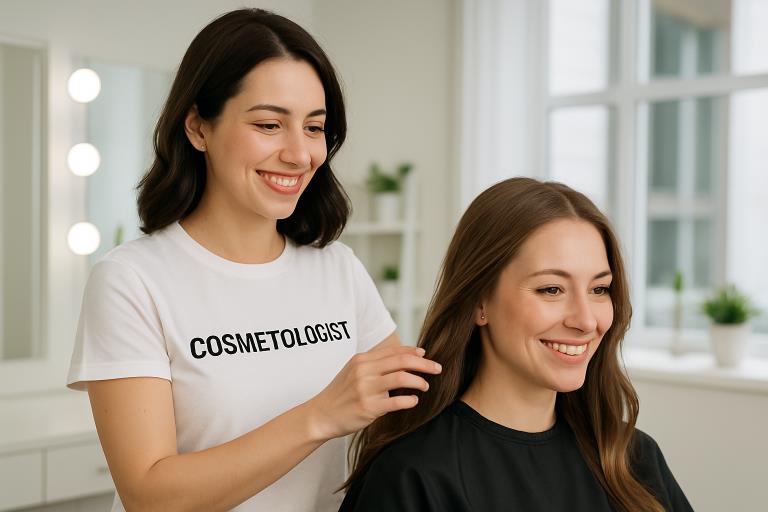
Exploring a future in cosmetology means entering a field where artistry meets science and personal connection. Individuals interested in launching a rewarding career in beauty often start by researching how to become a cosmetologist, which covers the core requirements, key steps, and skills development necessary to thrive. As the beauty industry continues to evolve, those considering this path must be equipped not only with technical expertise but also with an understanding of industry trends and the power of digital branding.
From mastering cutting-edge techniques to building lasting client relationships, the journey begins with passion and continues through ongoing education. Whether you dream of working in vibrant salons, launching your own brand, or influencing industry trends, there are diverse opportunities ahead. Aspiring cosmetologists must stay informed about technological advancements and sustainability, as these are redefining beauty services worldwide.
The decision to pursue cosmetology is often motivated by the desire for a creative, people-focused career. Today’s beauty professionals must balance artistry with adaptability and business acumen, navigating both traditional and digital channels to succeed. The growing influence of social media and technology further amplifies opportunities and demands continual skill enhancement.
This comprehensive guide covers the must-have skills, educational options, current industry shifts, and future-focused insights for anyone drawn to the dynamic world of cosmetology. You will find key takeaways to set clear expectations about what it takes to flourish as a modern beauty professional.
Essential Skills for Success
Success in the beauty industry is built on a foundation of technical and interpersonal talents. Future cosmetologists must master accurate hairstyling, coloring, makeup techniques, and advanced skin treatments to meet clients’ needs. Just as vital is the ability to listen and communicate effectively with clients, ensuring services align with their vision and lifestyle.
Creativity remains central, especially as trends evolve rapidly and clients seek personalized experiences. Adaptability and attention to detail help professionals exceed client expectations, while strong time management and organizational skills enable them to manage busy schedules and ensure seamless appointments. These attributes are verified and enhanced through practical training and on-the-job experiences.
Educational Pathways
Formal training at accredited cosmetology schools prepares students for both state licensure and real-world scenarios. Programs typically blend fundamental sciences—like anatomy, skin biology, and chemistry—with hands-on practice and business instruction. This holistic approach ensures graduates can perform complex procedures, follow safety regulations, and manage or grow a beauty business.
Increasingly, institutions are integrating digital tools such as virtual simulations and remote coursework. According to a recent Forbes article, technology-enhanced learning helps students hone their skills efficiently while keeping pace with industry innovations. This blend of traditional and modern methods maximizes career readiness.
Technological Advancements in Cosmetology
New technologies are revolutionizing the beauty industry’s approach to both service and client engagement. Augmented reality (AR) and virtual reality (VR) solutions enable clients to preview hairstyles or makeup virtually, reducing uncertainty and facilitating more effective consultations. Artificial intelligence (AI) is also reshaping skin analysis and product recommendations, delivering highly customized, efficient service experiences.
Digital booking systems, contactless payment options, and online portfolio platforms are streamlining operations and making it easier for cosmetologists to build their reputations. For those entering the field today, understanding and adopting these digital tools is essential for growth and responsiveness.
Sustainability and Eco-Friendly Practices
Environmental concerns are becoming a priority for both clients and practitioners. Salons and individuals increasingly gravitate toward biodegradable, cruelty-free, and ethically sourced products, while also reducing energy consumption and embracing waste reduction. According to Allure, eco-friendly practices are not only good for the planet but also attract a new generation of environmentally conscious clients.
From water-saving fixtures to sustainable packaging, the shift to proper green beauty is reshaping salon standards and prompting professionals to seek ongoing education in responsible practices.
Diverse Career Opportunities
Cosmetology is not limited to the salon floor. Many professionals transition into roles within the entertainment, medical aesthetics, or fashion industries. Others find fulfillment in education, product development, or entrepreneurship—such as launching a brand or wellness spa. The blending of health, beauty, and wellness trends continues to open doors in holistic beauty and spa management.
The Role of Social Media
Beauty professionals leverage social media platforms to showcase their work, connect with clients, and spot new trends. Instagram, TikTok, and YouTube have turned cosmetologists into influencers and educators, expanding their impact and client base far beyond their immediate regions. Regularly posting before-and-after transformations and engaging with followers helps build trust and boost visibility in this highly visual industry.
Future Trends in the Beauty Industry
Personalized products and inclusive offerings for diverse hair textures, skin types, and backgrounds are becoming industry standards. Advanced AI-driven consultations, sustainable packaging, and hybrid wellness-beauty offerings are already shaping the industry’s future. Cosmetologists who continue learning and adapting to these trends are best positioned to succeed as the landscape transforms.
Conclusion
Cosmetology offers much more than the promise of a creative livelihood. It is a continuously evolving field that demands adaptability, an openness to technology, and a dedication to sustainability. With the right training, a willingness to innovate, and a genuine passion for service, today’s beauty professionals are equipped not only to meet client needs but also to drive the industry forward for years to come.