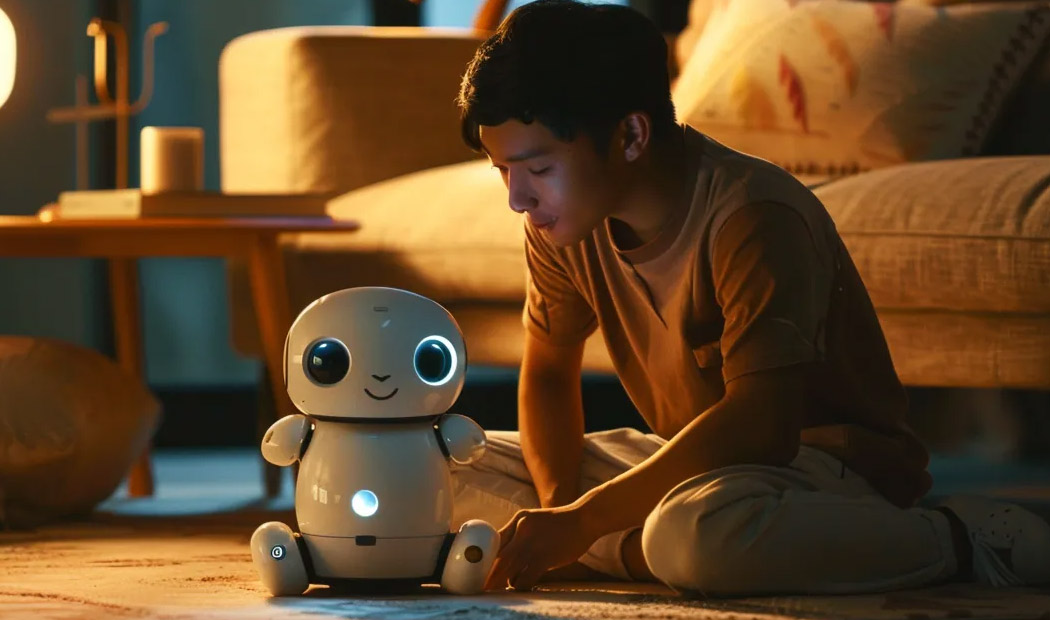
In an era where technology touches nearly every aspect of our lives, the conception of pets has evolved beyond the living and breathing. Artificial intelligence (AI) has paved the way for a new companion in the form of an AI pet. From robotic dogs to virtual critters on our phones, the integration of AI pets into our daily lives is becoming increasingly prevalent. These digital companions are not only becoming sophisticated in terms of interaction but also in providing emotional support. Below, we delve into the fascinating rise of AI pets and their potential impact on human relationships and interactions.
The Rise of AI Pets in Modern Society
The concept of AI pets has gained momentum in recent years, moving from science fiction to reality. With advancements in AI and robotics, these companions simulate the behaviors and responses of real animals, offering a unique blend of technology and comfort. The allure of having a ‘pet’ that requires no feeding or walks while providing companionship has made AI pets attractive to a wide demographic, from busy professionals to elderly individuals. Take a glimpse into a future where technology seamlessly integrates into the fabric of human emotions and relationships.
AI pets have several notable advantages over traditional pets, including their hypoallergenic nature and low maintenance. They can be programmed to remember their owners’ preferences, respond to voice commands, and even grow or adapt over time through machine learning algorithms. This capability for dynamic interaction has significantly improved the user experience, propelling AI pets into the mainstream consciousness.
Despite their digital nature, AI pets are making real-world impacts by augmenting social experiences and providing companionship where living pets may not be feasible. Particularly in urban environments where space and lifestyle may constrain pet ownership, AI pets offer a practical solution.
Understanding the Technology Behind AI Companions
The technology fueling AI pet companions is rooted in complex algorithms and sophisticated software. At the heart of an AI pet is a series of sensors and actuators that allow it to perceive its environment. Coupled with these hardware components is the AI’s software brain, which interprets sensor data, makes decisions, and learns over time.
Machine learning plays a pivotal role in AI pets, as it enables them to adapt and personalize their behavior based on their interactions with humans. Over time, these digital companions learn the nuances of their owners’ personalities and preferences, customizing their responses to mimic a real-life bond. This continuous learning process is what sets AI pets apart from the static character of traditional toys or gadgets.
Developers of AI pets often seek to create an emotional connection between the machine and its human user. To achieve this, they design AI pets with expressive features such as virtual eyes or voice modulation that mimic emotional states. This illusion of sentience fosters a deeper engagement with users, blurring the lines between a programmed entity and a sentient companion.

Emotional Benefits of AI Pet Ownership
The emotional landscape of human interactions with AI pets is surprisingly rich. Owners often report forming strong emotional attachments to their digital companions, deriving comfort and joy from their presence. These bonds can be especially important for individuals experiencing loneliness, as they provide a sense of companionship that alleviates feelings of isolation.
For children and adults alike, AI pets serve as a non-judgmental friend, offering consistency and support that might be absent in their human interactions. The predictable nature of an AI pet can also be soothing to those who struggle with the unpredictability of living animals. This stability can be fundamental in providing a therapeutic presence in the lives of those facing emotional or psychological challenges.
AI pets can also serve as a tool for social development among children with special needs. By interacting with an AI companion, children can practice social cues, empathy, and responsibility without fear of harm or judgment. In this controlled setting, they can build confidence, which can then be applied to their interactions with humans and animals alike.
The emotional connection fostered by AI pets also extends to their ability to remember and learn. As these digital creatures remember interactions and adapt to their owners’ behaviors, they create a personalized experience that can reinforce positive emotional responses. This capacity for personalized interaction illustrates how AI pets are not just sophisticated toys, but also companions that positively influence our emotional well-being.
The evolution of AI pets signifies a groundbreaking shift in our social fabric, blending technology with the human need for connection. As we venture further into the digital companionship era, it’s essential to foster ethical innovation and maintain a balance between AI interactions and human relationships. AI pets may redefine companionship, but the intrinsic value of human connection remains irreplaceable.