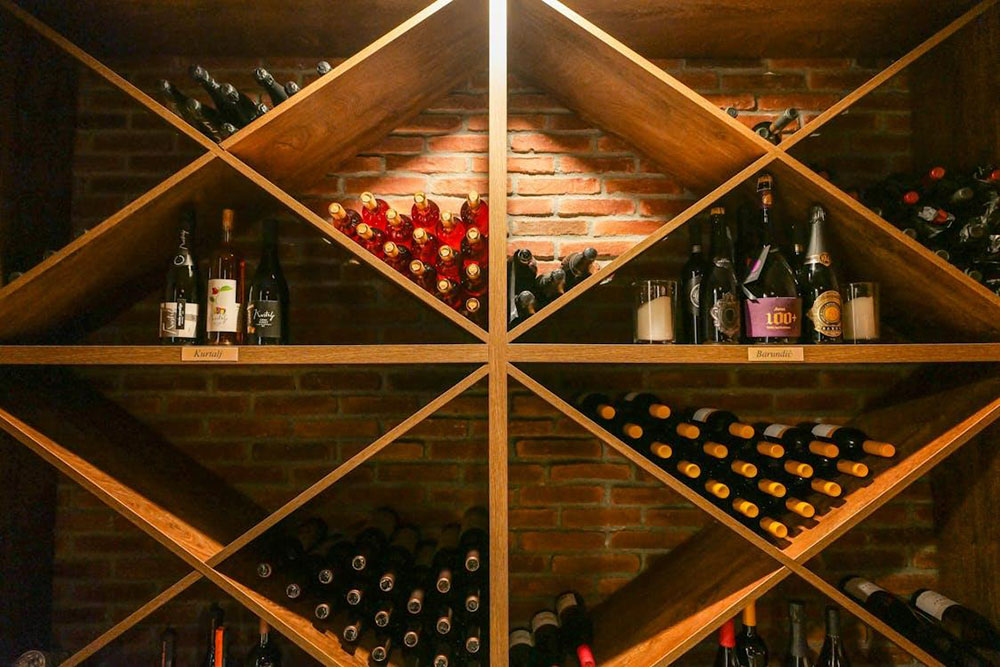
The right environment shields wines from sneaky stressors, preserves flavour integrity, and protects your investment. Minor slip-ups like stashing bottles in a hot laundry or a sun-drenched room can undo years of careful ageing. Professional storage facilities understand these challenges, offering climate-controlled, secure spaces tailored to collectors.
Do you collect wine? It would be good to have some knowledge on the key elements of an ideal wine storage space.
1. Temperature Control: The Cornerstone of Quality
Temperature is the bedrock of proper maturation. Fluctuations expand and contract corks, invite oxidation, and alter delicate chemical reactions that develop aroma and palate. A sudden heatwave can be the silent thief of decades-old vintages, leaving wines flat or prematurely aged.
Home setups might cope in the short term, but professional storage maintains steady conditions year-round, letting bottles mature exactly as intended. It’s like giving each bottle its own little sanctuary, so that every sip decades down the track tastes precisely as the winemaker envisioned.
2. Humidity, Ventilation, and Airflow: More Than Just Comfort
Humidity plays a quiet but vital role in wine preservation. Air that’s too dry dries corks, inviting slow oxidation, while excess moisture can lead to mould or curling labels. Ventilation ensures stale air or kitchen aromas don’t sneak in, and airflow prevents hotspots or uneven climate pockets from forming. Poor management has tangible consequences, which include:
- Corks drying out, causing slow oxidation
- Labels curling or peeling due to excess moisture
- Off-odours impacting wine aroma and taste
- Uneven maturation from inconsistent airflow
Professional storage facilities weave these factors together seamlessly. Every bottle rests in an environment engineered to maintain ideal conditions, leaving collectors free from worry while their wines age gracefully.
3. Lighting and Vibration: The Silent Influencers
Small amounts of light can prematurely age wine, fading labels and subtly altering flavours. A bright afternoon sun through a window might seem harmless, but it can undo years of careful maturation. Vibration is another sneaky culprit: everyday movement shakes bottles, disturbing sediment and slowing chemical harmony.
Ideal storage doesn’t just address temperature and humidity; it mitigates these silent stressors. Professionally designed racks and careful positioning protect bottles from light and vibration, allowing wines to evolve undisturbed.
4. Organisation, Accessibility, and Inventory Management
A well-thought-out layout can make all the difference. Proper organisation means bottles are easy to access, rotate, and track, reducing handling errors and supporting long-term ageing. Professional storage considers both efficiency and preservation. Here are some useful strategies:
- Grouping bottles by varietal, region, or drinking window
- Labelling shelves and racks for quick retrieval
- Maintaining digital or written inventories of acquisitions and consumption
- Allocating space for special editions, sparkling, or dessert wines
Choosing the Right Materials and Fixtures
Materials matter as much as the environment itself. Sturdy racks, non-reactive shelving, and finishes that won’t off-gas or react with corks keep bottles secure and chemically safe. Metal, treated timber, and quality composites reduce vibration while supporting weight and maintaining stability.
Even small choices, like avoiding surfaces that warp or emit odours, can preserve labels, corks, and flavour integrity. Professional spaces invest in durable, neutral materials that last decades, keeping collections safe and looking sharp, while ensuring each bottle rests in the ideal position for long-term enjoyment.
Professional Storage vs DIY Solutions
DIY setups might seem appealing, but they often fall short. Fluctuating temperatures, poor humidity, uneven racks, and light exposure can quietly erode a collection. Tucking bottles in a laundry or a kitchen corner may seem fine initially, but over the years, that little space can betray your investment.
In contrast, climate-controlled, monitored, and secure facilities handle every critical element, removing guesswork entirely. While DIY has its charm, professional storage maximises preservation, flavour, and resale potential, giving collectors confidence their bottles are safe and maturing exactly as they should.
Conclusion: Understanding the Essential Elements
An ideal wine storage space balances environmental control, thoughtful organisation, and quality materials. When designed well, it safeguards corks, labels, and flavour integrity, ensuring that bottles mature gracefully.
With a little planning, careful attention, and the right setup, every bottle is positioned to thrive, ready to delight the palate and impress the eye. After all, a well-kept cellar is where patience, care, and pleasure converge perfectly.