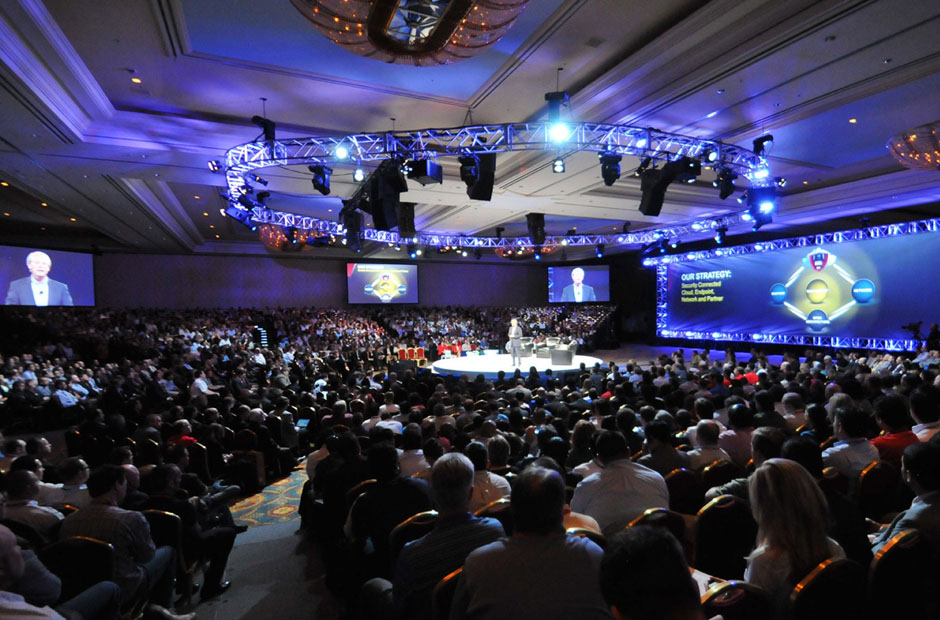
Complex venues make events exciting, but they also increase the number of ways things can go wrong. Ballrooms with low rigging points, historic theaters with strict load limits, outdoor courtyards with weather exposure, and multi-level resorts with shared power infrastructure all introduce hidden constraints. High-end event production reduces risk by treating every constraint as a design input rather than a last-minute surprise. The goal is not only to deliver great sound and visuals but to protect guests, schedules, and budgets through disciplined planning and controlled execution. Risk takes many forms, from power trips and RF interference to traffic bottlenecks and delayed load-ins. When production teams anticipate issues early, they can keep the event running smoothly, even when the venue is complex and timelines are tight.
Risk controls that keep the show stable
Advancing, site surveys and constraint mapping
The first layer of risk reduction happens before anything is unloaded. Production teams conduct a detailed advance process that maps the venue’s real constraints, not just what is written on a spec sheet. A site survey checks ceiling height, rigging points, access routes, loading dock dimensions, elevator limits, and path-of-travel rules that affect how gear moves through the building. It also confirms where cables can run without creating trip hazards or violating fire egress requirements. Power is assessed with equal seriousness. Teams identify panel locations, available amperage, phase requirements, and whether the venue shares circuits with kitchens, HVAC, or house lighting. In complex venues, power quality can be as important as power quantity, so teams plan for clean distribution and separation between audio, video, and lighting loads. The survey also flags acoustics and sightlines early, because reflective surfaces, balcony overhangs, and columns can create uneven coverage, leading to last-minute repositioning. By turning constraints into a written plan, teams reduce improvisation on show day, which is where many failures begin.
Redundancy and failover planning for show-critical systems
High-end production minimizes risk by building redundancy where failure would be visible or disruptive. That includes backup playback for walk-on music, duplicate microphones for key speakers, and spare signal paths for show-critical video feeds. In complex venues, the most common problems are not dramatic gear explosions but small interruptions that snowball, such as a wireless mic dropping out due to crowded RF conditions or a projector feed failing because a cable run was stressed during a last-minute set change. Redundancy means there is an alternate route ready, not a scramble to find one. Teams also plan failover in layers: spare hardware, alternate routing, and human procedures. For example, the audio engineer may have a wired mic staged nearby, while the stage manager has a cue to hand it off seamlessly. This approach is often coordinated with the local vendor ecosystem as well. If the venue requires local labor, strict union calls, or venue-owned infrastructure, the production team aligns those resources early. For events sourcing an AV Company in Orlando, asking how redundancy is structured for microphones, playback, and video switching can reveal whether the plan is built to withstand real venue chaos rather than assuming perfect conditions.
Safety, compliance, and controlled cable management
Risk is not only technical. It is also physical and operational. High-end teams reduce risk by treating safety as a production deliverable rather than a checklist item. Cable management is a prime example. In complex venues, cable runs often cross public corridors, stair landings, or door thresholds. Proper ramping, taping, and overhead routing prevent trips and keep emergency exits clear. Rigging risk is controlled through load calculations, certified hardware, and communication with venue engineers about allowable points and restrictions. If the venue has low ceilings or delicate surfaces, teams may shift to ground-supported truss or alternative mounting methods that reduce structural risk. Fire and occupancy compliance is also part of the plan: keeping egress paths open, maintaining clearances around drape and scenic elements, and coordinating with the venue on smoke effects or haze use. Back-of-house traffic is managed so that forklifts, carts, and cases do not collide with catering and housekeeping routes. When every movement has a plan, the event feels calm, and calm environments have fewer incidents.
Fewer Surprises on Show Day
High-end event production minimizes risk in complex venues by turning constraints into a plan and executing it with redundancy, safety controls, and disciplined communication. Site surveys and advanced reveal limits early, from power distribution and access routes to rigging restrictions and acoustics. Redundant systems and failover procedures protect show-critical moments from common disruptions like RF interference or signal loss. Safety-focused cable management and compliance planning reduce physical incidents and keep venues operationally stable. Finally, a clear run of show and strong communication rules prevent human error from becoming technical failure. When these layers work together, the event runs smoothly, guests stay focused on the experience, and the team handles complexity without visible stress.