Key Takeaways
- Choose the best concrete mix for your project’s durability and strength.
- Precision and preparation, from the right water-to-cement ratio to quality molds, pay off in professional-looking results.
- Additives and proper pouring technique streamline your process and improve concrete performance.
- Effective curing methods and regular maintenance help your concrete last longer and look better.
- Prioritizing safety protects you and helps you deliver your best work.
Upgrading your home’s concrete projects can be remarkably easy with the right guidance. Whether you are tackling a small patio, sidewalk, or decorative piece, knowing the proper methods can help even beginners achieve beautiful, long-lasting results. Having access to the right decorative concrete tools can further streamline your work and add an extra touch of polish to any project.
Attention to detail in preparation and execution goes a long way in ensuring your concrete work stays strong and attractive over time. Quality at every step, from choosing materials to routine upkeep, yields reliable, professional results right at home.
Home improvement projects provide both practical upgrades and creative satisfaction. With concrete, small changes in process, such as the consistency of your mix or your pouring technique, can mean the difference between subpar and exceptional results.
Choose the Right Concrete Mix
The base of every successful concrete project lies in selecting the ideal mix. For most home applications, such as sidewalks or patios, an all-purpose mix offers a good balance of workability and strength. If your project is more demanding, such as a shed footing or a structural base, opt for a high-strength mix to ensure stability and longevity. Evaluate your project’s requirements and review the manufacturer’s suggestions to avoid early cracking or weaknesses.
Maintain Proper Water-to-Cement Ratio
The water-to-cement ratio is essential for achieving strong, crack-resistant concrete. Aim for a texture similar to cookie dough, moist enough to press together, but not soupy. Overly wet mixes weaken the finished surface and are a primary cause of unsightly cracks. Too little water makes the mix difficult to handle and can hinder bonding. For best results, always follow the package instructions and monitor your mix as you work.
Use Quality Molds
The material and condition of your mold heavily influence the finish of your concrete. Choose sturdy, non-porous options like melamine or plastic, as these retain water within the mix and produce a smoother surface. Avoid using porous molds, such as cardboard, which absorb water and lead to pitted or rough finishes. Well-made molds are a modest investment that pays dividends in the overall look and strength of your finished product.
Incorporate Additives for Enhanced Performance
Many concrete enthusiasts now incorporate additives such as plasticizers to enhance workability. These compounds allow for a more fluid mix without increasing water content. This means the concrete flows and fills the mold evenly, reaching every corner and crafting fine detail without losing strength. Always read labels to ensure compatibility with your mix and desired finish.
Perfect Your Pouring Technique
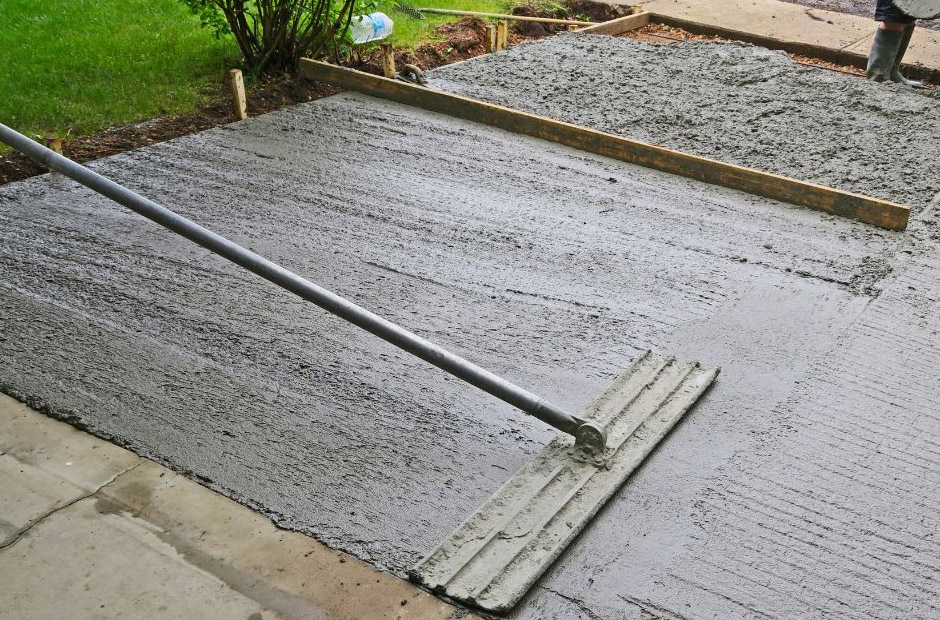
How you pour concrete affects its compactness. Use a rubber mallet to gently tap the sides and base of your mold during the pour. This vibration technique allows air bubbles to escape, resulting in a denser, less brittle slab. Rushing or skipping this step leads to weak spots or visible holes. Smooth over the surface with a trowel for that professional-level polish many aim for in visible applications.
Implement Effective Curing Methods
Concrete develops its strength over several days, not hours. The key to optimal curing is maintaining surface moisture. Immediately after pouring, cover your work with plastic sheeting, or frequently mist the surface to slow evaporation. Rapid drying can cause cracks and weaken the structure. For larger outdoor projects, shading the area also helps.
Regular Maintenance and Sealing
Concrete surfaces last longer and resist stains when regularly cleaned and sealed. Use a mild cleaner or power washer to remove dirt and debris on a routine basis. Every 2 to 3 years, apply a high-quality sealer designed for outdoor concrete. This step shields surfaces from moisture, road salt, and weather extremes, lowering the risk of chips or spalling over time. Maintenance is straightforward and pays off in the long run by preserving the concrete’s appearance and durability.
Prioritize Safety
Concrete projects require personal protection. Always use gloves and safety glasses to guard against splashes from wet concrete, which is alkaline and can irritate or burn skin. Work in a well-ventilated area, free of clutter, to minimize hazards. Footwear that covers your toes and a dust mask are also wise precautions, especially when cutting or mixing dry concrete components. Attending to safety ensures every project ends well and that your hands and eyes stay safe for future DIY ventures.
Conclusion
By focusing on proper preparation, careful execution, and ongoing maintenance, you can achieve durable, professional-looking concrete results at home. With attention to mix quality, pouring techniques, curing, and safety, your projects will not only last longer but also enhance the beauty and functionality of your space.