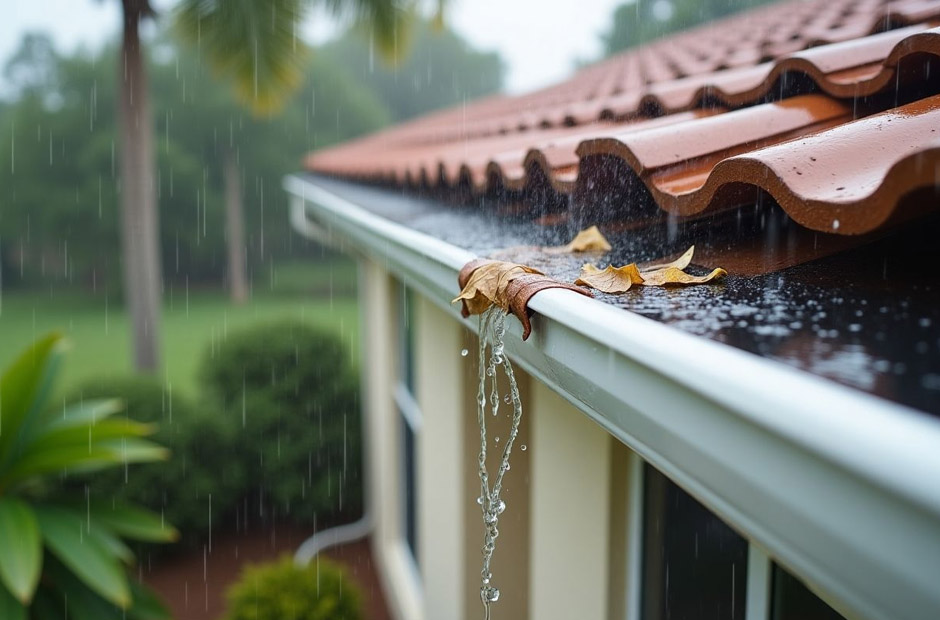
Rainwater has one job after a storm: move away from your home as fast as possible. Gutters control the flow and reduce damage that starts at the roofline. Without them, water can hit siding, soil, and foundations with constant force.
Homeowners also want clear pricing before they commit to a new system. So, how much does it cost to install gutters? The answer depends on linear footage, material, and downspout layout. Good planning pairs the right design with durable installation and fewer repairs later.
Keeps Your Foundation Dry and Stable
Water that falls near the base of your home can saturate soil and shift support zones. Gutters send runoff to downspouts, then direct it away from footings. The bullet points below explain the foundation problems gutters help prevent.
- Soil erosion along the perimeter
- Basement dampness and seepage
- Cracks from shifting ground pressure
- Pooled water near slab edges
Protects Siding, Paint, and Exterior Finishes
Water streaks can stain siding and strip paint, especially near corners and entryways. Gutters catch roof runoff before it splashes onto walls and window trim. This control helps preserve curb appeal and reduces repainting and wood repair costs.
Moisture can also seep behind trim boards and raise the risk of rot near fasteners. Clean drip edges and sealed joints support better performance at the roof-to-wall transition. With a proper system, exterior materials last longer and stay cleaner through seasonal storms.
Prevents Roofline Rot and Fascia Damage
Roof edges take the hardest hit when runoff pours past shingles and lands on wood boards. Gutters reduce overflow that can soak fascia, soffits, and rafter tails near eaves. The bullet points below outline roofline issues that gutters help limit.
- Fascia board rot and peeling paint
- Soffit stains and weakened vent screens
- Ice-related edge damage in cold regions
- Premature shingle edge wear
When fascia stays dry, fasteners hold better and trim remains straight along the roof edge. Proper slope and secure hangers prevent sag lines that cause spillover during heavy rain. A pro can also add splash guards at valleys for stronger control at high-flow points.
Reduces Landscape Erosion and Walkway Hazards
Roof runoff can dig trenches in flower beds and wash mulch into driveways after storms. Gutters keep garden edges intact by moving water into controlled exit points. This protects grading near the home, which supports stable drainage around the structure.
Runoff also creates slick spots near steps, patios, and sidewalks during downpours. Downspout placement can reduce puddles that invite algae and slippery surfaces. With better drainage, outdoor areas stay safer and cleaner for family and guests.
Supports Home Value and Smarter Budget Planning
A clean gutter system signals good upkeep and protects features buyers notice during inspections. Seamless aluminum, copper, and steel options offer different looks and durability levels. Now, how much does it cost to install gutters? It depends on materials, access, and the number of downspouts needed.
Experienced roofing contractors can evaluate roof edges, fascia condition, and drip edge details before gutter work begins. They confirm safe ladder placement, correct slope, and secure hanger spacing for reliable drainage. Their guidance helps you choose the right system and avoid repair costs tied to poor installation.
Gutters protect homes by controlling water, preserving materials, and reducing long-term repair bills. A well-designed system supports better drainage and helps your property handle heavy storms with less risk. If you want reliable results, choose quality materials and experienced installation for lasting performance.