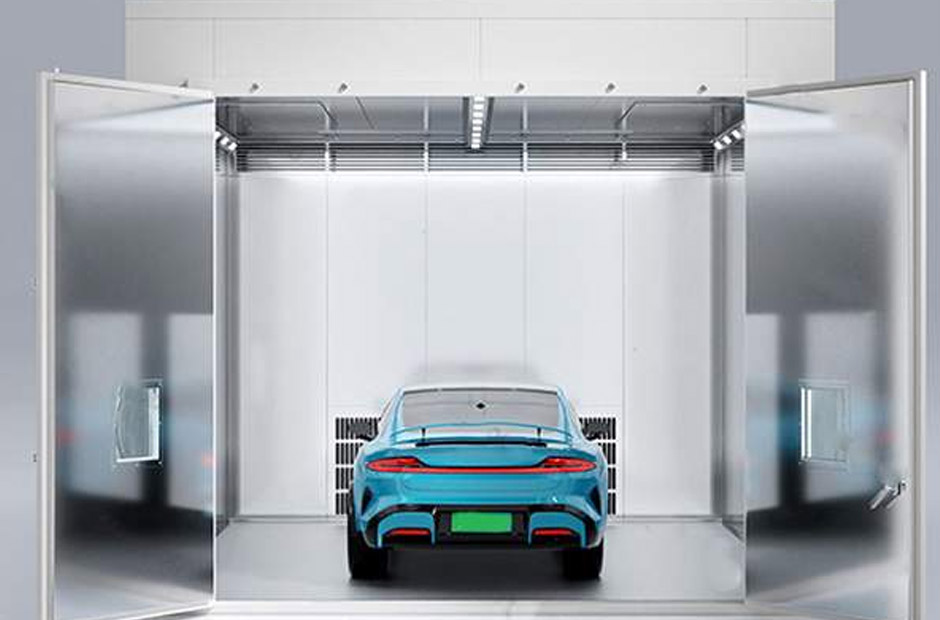
Electronic systems used in modern mobility solutions experience continuous operational stress because of their environmental conditions. Moisture is one of the most damaging elements because it can silently enter sealed housings and slowly degrade internal components. Water exposure causes corrosion and signal interruption, which leads to system malfunction. Engineers, therefore, rely on controlled testing methods to validate resistance before deployment.
By simulating controlled pressure variations and specific spray angles, chambers provide a rigorous benchmark for Ingress Protection (IP) ratings. These ratings categorize the degrees of protection provided against the intrusion of water, ensuring that every seal and gasket meets a globally recognized standard of durability.
Manufacturers use test chamber equipment in controlled testing environments to create stable water exposure tests that they can control without depending on unpredictable weather patterns. The devices simulate controlled pressure variations together with test patterns for spray angles and rainfall intensity. The manufacturers achieve two benefits through early vulnerability detection because it reduces their long-term operational threats while assuring system performance throughout the entire product lifespan.
Causes of Electronic Failure from Water Exposure
Understanding how water disrupts electronic systems helps explain why structured testing is required. Moisture does not cause immediate damage in many cases, making detection difficult without simulation.
- Water infiltration weakens protective coatings and increases internal corrosion risk
- Condensation buildup interferes with signal transmission and sensor accuracy
- Repeated moisture cycles reduce insulation strength within compact circuit designs
- Capillary action draws water into enclosed spaces through minor seal imperfections
Simulated Rain Testing for Real World Accuracy
Controlled rainfall simulation provides predictable testing conditions that reflect actual usage scenarios. Unlike outdoor exposure, chamber-based testing ensures repeatability and measurable results. Engineers can adjust spray duration, angle, and volume to assess component resilience under varying conditions.
These simulations help identify structural weaknesses that may not appear during dry testing. Electronics exposed to repeated water impact often reveal micro-level sealing issues. Addressing these problems early strengthens system reliability and reduces costly revisions after deployment.
Engineering Advantages of Controlled Rain Chambers
Rain simulation chambers offer technical advantages beyond moisture exposure alone. They allow engineers to measure performance stability and durability under repeated stress conditions.
- Consistent spray patterns ensure repeatable results across multiple testing cycles
- Adjustable intensity levels support validation under varied rainfall conditions
- Automated controls reduce human error during extended testing sequences
- Enclosed environments prevent external factors from influencing performance results
Safeguarding Sensors and Control Units
Sensors and control units form the core of modern electronic functionality. These components rely on precise signal interpretation and uninterrupted power flow. Moisture intrusion can distort readings or interrupt communication pathways, leading to malfunction.
Rain chamber validation ensures protective housings remain effective during sustained exposure. Testing confirms that seals, connectors, and internal layouts maintain integrity. This process strengthens confidence that electronic systems will function accurately even during prolonged wet conditions.
Quality Assurance and Compliance Benefits
Rain testing supports quality benchmarks required by industry safety frameworks. Regulatory standards often demand proof that electronic components withstand environmental stress.
- Verification records support compliance with industry-approved testing requirements
- Documented results improve confidence among suppliers and system integrators
- Early detection reduces costly redesign efforts during later development phases
- Consistent validation improves long-term reliability perception among stakeholders
Cost Efficiency Through Preventive Testing
Preventive testing reduces financial risk by addressing weaknesses before large-scale production. Repairing failures after deployment often requires extensive labor and replacement costs. Rain chambers minimize this risk by identifying flaws during controlled validation stages.
By investing in structured moisture testing, manufacturers reduce warranty claims and improve operational dependability. Long-term savings emerge through reduced recalls and improved component lifespan. This approach balances testing investment with measurable reliability gains.
Preventive Impact Comparison
| Testing Stage | Failure Detection | Repair Cost | Operational Risk |
| Pre-validation testing | High | Low | Minimal |
| Post-deployment discovery | Low | High | Significant |
Reliability Driven Development Strategy
Rain simulation testing has become an essential development practice for electronic systems exposed to environmental conditions. Moisture resilience is no longer optional due to increasing system complexity and tighter packaging designs. Structured validation ensures each component meets performance expectations under water exposure.
Integrating controlled testing supports dependable design decisions and strengthens product trust. By relying on validated methods such as a rain test chamberrain approach, manufacturers achieve consistent quality while reducing unexpected system disruptions. Reliability-driven testing ultimately supports safer and longer-lasting electronic solutions.