Key Takeaways
- AI-driven dispatch platforms can now optimize everything from freight pricing to routing and real-time communications.
- Proactive management of delays and disruptions through predictive analytics enhances delivery performance and client satisfaction.
- Integration with Electronic Logging Devices (ELDs) and telematics ensures regulatory compliance and offers deep operational insights.
- Mobile applications are essential for real-time updates, seamless document handling, and direct communication between dispatchers and drivers.
- Cloud-based solutions provide remote access, scalability, and flexibility to adapt to dynamic operational needs.
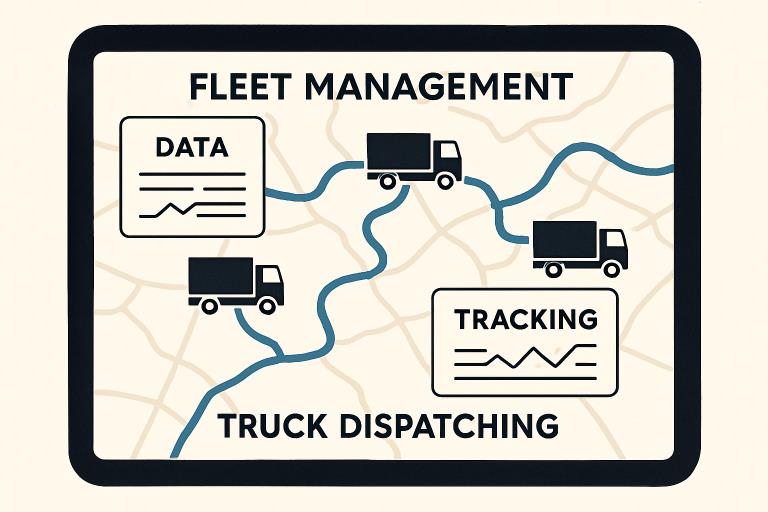
The trucking industry is experiencing a technological evolution, with digital tools leading the way in optimizing dispatch operations, streamlining logistics, and raising the standard for service reliability within fleets. Advancements in technology are enabling even small and medium-sized carriers to leverage powerful dispatch platforms, achieving more efficient operations, proactive management, and improved driver satisfaction. For those seeking to enhance their dispatching workflow, solutions like AI Dispatch software have quickly emerged as indispensable tools that bridge communication gaps, automate manual tasks, and enable more intelligent decision-making.
Integrating advanced technologies is not just about keeping up with competitors, but about staying ahead of industry shifts and regulations. Artificial intelligence and automation are driving efficiencies never before possible, while data-centric tools empower dispatchers to avoid common pitfalls. Real-time tracking, predictive analytics, and mobile communications are becoming industry standards, providing visibility and control across entire fleets. These new systems can dramatically reduce delays, improve route planning, and help carriers remain compliant in an increasingly regulated space.
Artificial Intelligence in Dispatch Operations
Artificial intelligence is rapidly redefining what’s possible in truck dispatching. No longer restricted to the largest fleets, today’s AI solutions automate both simple and complex tasks, from load assignment to rate negotiations and even ETA estimates. According to industry reports, more than 40 percent of carriers and logistics providers have incorporated AI tools into their operations, focusing on solutions that deliver real-time scheduling, pricing flexibility, and route optimization. The integration of AI helps fleets quickly respond to last-minute changes, generate more competitive bids, and mitigate the risk of costly delays or empty miles. As this technology matures, dispatchers spend less time on repetitive tasks and more time on strategic oversight, leading to more cohesive, adaptable logistics operations. For an in-depth discussion on how AI is transforming real-time efficiency, see recent reporting from Truck News.
Real-Time Tracking and Predictive Analytics
Modern fleets are defined by their ability to track vehicles, assets, and cargo in real-time, thanks to integrated GPS technologies and IoT sensors. Instant access to location data enables dispatchers to address disruptions before they escalate, automatically adjust shipment schedules, and keep clients informed of progress. Predictive analytics build on this foundation by identifying likely slowdowns caused by traffic, weather, or vehicle maintenance needs. With informed predictions, companies can reroute trucks, allocate backup resources, and ultimately achieve higher on-time delivery rates. In a competitive marketplace where delivery reliability is paramount, these capabilities are not optional. They are the new industry baseline for customer satisfaction and operational resilience.
Integration with ELDs and Telematics
The regulatory environment in trucking is constantly evolving, with strict requirements on Hours of Service and driver documentation. By tightly integrating dispatch systems with Electronic Logging Devices and telematics solutions, companies achieve a single source of truth for compliance data. This integration automates driver-hour tracking, identifies violations before they occur, and compiles the evidence needed for regulatory audits. Just as importantly, telematics data offers insights into driver behavior, fuel usage, and vehicle wear, arming operations teams with actionable intelligence. Monitoring and responding to these metrics reduces costs and builds a safety-first culture, supporting both compliance and continuous improvement.
Mobile Applications for Enhanced Communication
The rise of mobile technology has transformed communication across the transportation industry. High-quality dispatching now relies on mobile apps that transmit assignments, collect digital proofs of delivery, and provide instant access to critical documents. Drivers and dispatchers can use these tools to send updates, share important documents, and resolve issues in real time. Effective mobile platforms replace cumbersome phone calls and emails with direct messaging, automated alerts, and adaptive workflows, minimizing errors and enabling faster, more reliable information transfer.
Cloud-Based Dispatch Platforms
Cloud-based platforms have become critical infrastructure for both small and enterprise-level fleets. By centralizing dispatch, route optimization, load tracking, documentation, and billing, these systems give fleet managers and dispatchers secure, remote access to every aspect of operations. This flexibility is essential for supporting remote work, handling sudden surges in demand, and scaling as the business grows. Most importantly, cloud platforms are continuously updated, ensuring compliance with regulatory changes and offering the latest enhancements to security and user experience. With cloud-based tools, trucking companies can transition away from outdated on-premises solutions and achieve far greater efficiency and adaptability.
Balancing Technology with Human Expertise
Despite the allure of automation and the efficiencies technology offers, the human element remains crucial in truck dispatching. Industry leaders are quick to remind fleets that digital tools should complement, not replace, dispatcher experience and intuition. Investment in team development, change management, and company culture is essential for unlocking the full value of any digital transformation initiative. Training ensures that new tools are adopted quickly but also prepares companies for generational shifts in the workforce and the continued rapid evolution of logistics technology. For commentary from executives on the balance between people and tech investment, see this analysis by Truck News.
Conclusion
The trucking industry is transforming as digital tools and automation become standard throughout dispatch operations. AI-driven platforms, real-time tracking, ELD integration, mobile applications, and cloud technology are all key to future-proofing logistics and staying competitive in a rapidly evolving market. While harnessing these tools will yield efficiency and service gains, companies must also invest in workforce development and maintain a culture that values both technology and human judgment. Embracing this balanced approach will position fleets to deliver not just on cost and compliance but also on reliability and customer satisfaction, setting a new benchmark within the transportation sector.