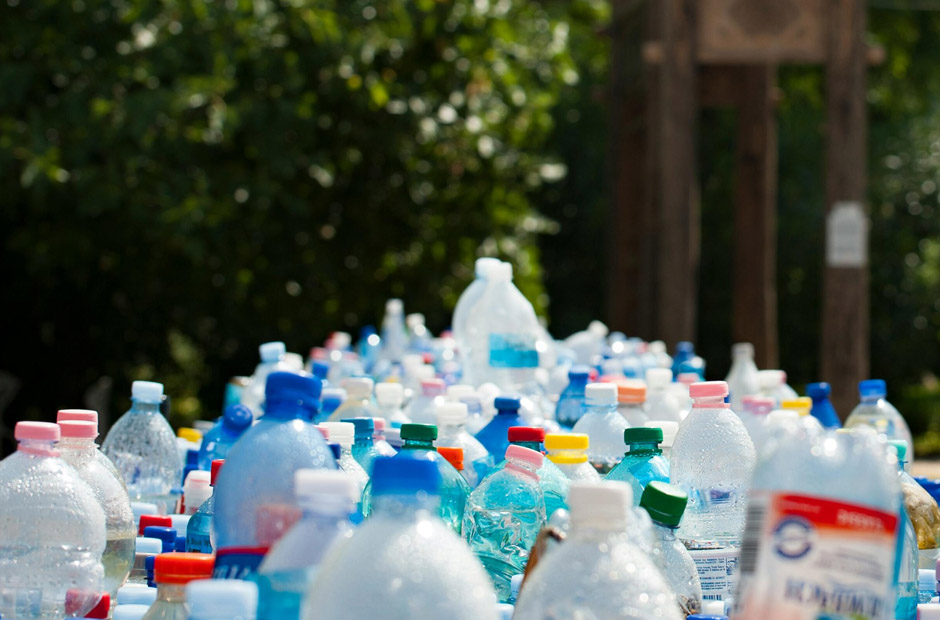
Plastic water bottles have become a default at many events. They’re familiar, easy to order, and often treated as the simplest solution for hydration. But familiarity isn’t the same as effectiveness. As events grow larger and expectations around sustainability, safety, and experience evolve, many organizers are rethinking that default. Increasingly, they’re exploring options like a portable water station for events, not as a trend, but as a more thoughtful response to how people actually move, hydrate, and gather.
The difference between bottled water and professional water stations isn’t just environmental. It’s operational, experiential, and logistical. When hydration is planned intentionally, it stops being a recurring problem and becomes a quiet support system that benefits everyone on site.
Understanding those benefits starts with looking beyond convenience.
1. Plastic Bottles Solve a Short-Term Need, Not a Long-Term One
Plastic bottles feel efficient,until the event begins.
Bottles Create Immediate Waste
Every bottle used becomes an object that needs to be:
- collected
- transported
- sorted
- disposed of
At large events, waste accumulates quickly. Overflowing bins, littered grounds, and constant cleanup become part of the experience.
Distribution Creates Bottlenecks
Bottled water requires storage, transport, and restocking. Volunteers and staff spend time managing inventory instead of supporting attendees.
When supplies run low, hydration access becomes uneven.
Perception Matters
Attendees notice waste,even if they don’t comment on it. Piles of empty bottles subtly signal inefficiency and excess, which can clash with an event’s values or messaging.
Short-term convenience often creates long-term complications.
2. Professional Water Stations Improve Access and Flow
Hydration works best when it’s frictionless.
Continuous Access Changes Behavior
When water is continuously available, people hydrate more naturally. They refill when needed rather than rationing bottles or delaying hydration.
This matters for:
- heat management
- physical endurance
- overall comfort
Access influences behavior more than reminders ever could.
Stations Reduce Crowd Pressure
Instead of distributing bottles at specific points or times, water stations allow attendees to hydrate independently.
This:
- reduces lines
- spreads demand
- minimizes congestion
Flow improves when hydration isn’t centralized around supply drops.
Visibility Encourages Use
A visible water station acts as a cue. People are reminded to drink without being told.
Hydration becomes part of the environment, not an interruption.
3. Safety and Health Are Easier to Support With Stations
Hydration isn’t just comfort,it’s risk management.
Dehydration Is a Common Event Issue
Heat exhaustion, dizziness, and fatigue are among the most common medical concerns at outdoor and high-activity events.
Consistent water access reduces these risks quietly and effectively.
Stations Support Preventative Care
When water is easy to access:
- attendees hydrate more often
- staff and volunteers stay alert
- emergency interventions decrease
Prevention is always less disruptive than response.
Hygiene and Quality Control Matter
Professional water stations are designed for:
- sealed systems
- clean dispensing
- regular sanitation
This reduces uncertainty about water quality and cleanliness,especially compared to bottles that may sit in heat or be handled repeatedly.
4. Sustainability Isn’t Just About Image,It’s About Operations
Environmental considerations increasingly intersect with logistics.
Waste Reduction Simplifies Cleanup
Fewer bottles mean:
- fewer bins
- less sorting
- lower disposal costs
- faster site restoration
Cleanup becomes less labor-intensive and more predictable.
Sustainability Aligns With Attendee Expectations
Many attendees bring reusable bottles and expect refill options. When those options exist, participation feels intuitive.
Events that support sustainable behavior don’t need to promote it loudly,people notice naturally.
Fewer Materials, Fewer Problems
Every physical item introduced to an event adds complexity. Reducing single-use materials simplifies operations across the board.
Sustainability often improves efficiency.
5. Experience Improves When Basic Needs Are Handled Well
People remember how events made them feel,not just what happened.
Comfort Shapes Perception
Long lines for water, warm bottles, or empty coolers create frustration that can overshadow otherwise positive experiences.
Easy hydration reduces stress without drawing attention to itself.
Professional Planning Feels Invisible
When water stations are placed thoughtfully:
- no one searches for water
- no one waits too long
- no one worries about running out
The absence of friction is itself a marker of good planning.
Small Details Build Trust
Attendees may not comment on hydration,but they feel its impact. Comfort, safety, and ease create trust between organizers and participants.
That trust influences whether people return.
The Takeaway: Professional Water Stations Support Events More Holistically
Choosing professional water stations over plastic bottles isn’t just an environmental decision. It’s a practical one.
Water stations:
- improve access and flow
- reduce waste and cleanup
- support health and safety
- simplify logistics
- enhance attendee experience
They shift hydration from a recurring task to a stable system.
When hydration is handled well, it disappears into the background,doing its job quietly and consistently.
And in events where every detail matters, that quiet reliability is often what separates smooth experiences from stressful ones.