If you live in Memphis, you’re no stranger to warm summers, humid air, and frequent use of your HVAC system. Whether you’re trying to cool down during long heat waves or keep indoor air comfortable during seasonal shifts, your home stays closed up for much of the year. While that helps maintain temperature, it can also trap things you don’t see, pollutants that quietly affect how your home feels every day.
You might clean regularly and keep your home looking spotless, yet the air can still feel heavy, dusty, or uncomfortable. That’s because indoor comfort isn’t just about temperature. It’s also about what’s floating in the air you breathe. In climates like Memphis, where humidity and heat play a big role, indoor air quality can change quickly without obvious warning signs.
Household pollutants build up over time and often go unnoticed until they start affecting comfort. From lingering odors to irritation and stuffy rooms, poor indoor air quality can make your home feel less inviting. Understanding what these pollutants are and how they impact your space puts you in a better position to create a more comfortable environment for yourself and your family.
How Hidden Air Pollutants Can Impact Your Home Environment
Indoor air pollutants don’t always come from one obvious source. They often enter your home through everyday activities and then circulate through your HVAC system. Over time, these particles move from room to room, affecting how the air feels throughout the entire house.
In Memphis homes, humidity adds another layer to the issue. Moist air can make pollutants linger longer and spread more easily, especially when windows stay closed for cooling. When indoor air starts to feel stale or uncomfortable despite regular cleaning, that’s often a sign that deeper air quality issues are at play.
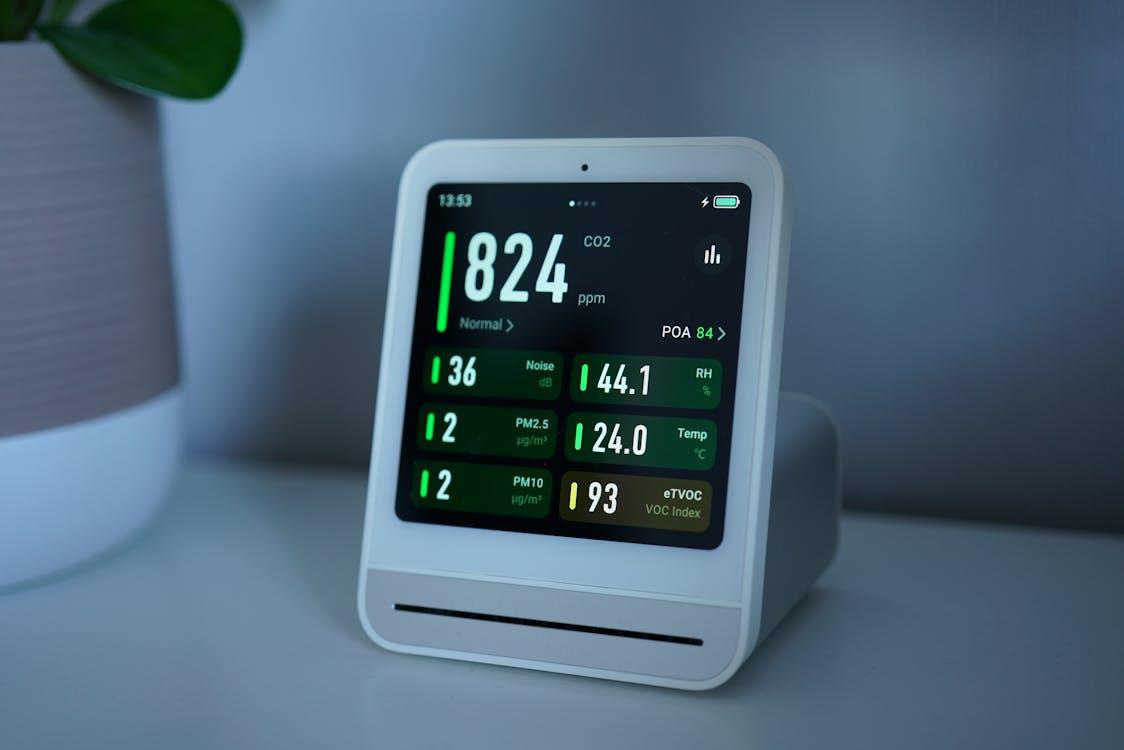
This is where professional indoor air quality services in Memphis, TN, can help. These services focus on identifying the sources of indoor pollutants, improving airflow, managing humidity, and enhancing filtration so the air moving through your home feels cleaner and more balanced. Addressing air quality at the system level helps reduce discomfort that everyday cleaning alone can’t fix.
Dust and Pet Dander: Everyday Irritants You Might Be Overlooking
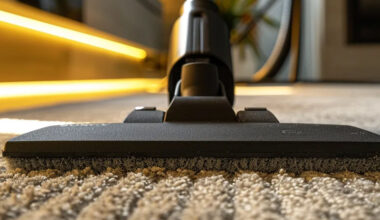
Dust and pet dander are among the most common indoor pollutants, and they build up faster than many homeowners realize. Even if you vacuum often, these tiny particles settle into carpets, furniture, and air ducts. Every time your HVAC system runs, it can stir them back into the air.
If you have pets, dander adds another layer of irritation. It spreads easily through airflow and can linger long after surfaces look clean. Over time, this can make rooms feel stuffy or uncomfortable, especially in spaces with limited ventilation.
Managing dust and dander starts with consistent filter changes and keeping vents clear, but deeper buildup often requires attention beyond surface cleaning.
Mold and Moisture: A Comfort Issue You Shouldn’t Ignore
Humidity plays a major role in indoor air quality, especially in a city like Memphis. When moisture levels stay high, it creates the perfect environment for mold to grow. Mold doesn’t always appear as visible patches on walls. It can develop in hidden places like ducts, behind walls, or near vents.
Even small amounts of mold can cause musty odors and make indoor air feel heavy. This doesn’t just affect how your home smells. It impacts how comfortable it feels overall. Moist, mold-prone air can make rooms feel warmer, stickier, and less breathable.
Controlling humidity and addressing moisture sources helps prevent mold from becoming an ongoing comfort issue.
Household Chemicals and Everyday Products
Many common household products release pollutants into the air without you realizing it. Cleaning sprays, disinfectants, air fresheners, and even scented candles can all affect indoor air quality. While these products are useful, using them frequently in enclosed spaces allows particles to linger.
Paints, finishes, and certain furniture materials can also release gases into the air over time. When ventilation is limited, these pollutants build up and contribute to irritation and discomfort.
Being mindful of product use and allowing fresh air to circulate when possible helps reduce the impact of these everyday pollutants.
Smoke, Odors, and Combustion Byproducts
Cooking, fireplaces, candles, and even heavy frying can release particles and odors that linger long after the activity ends. These pollutants can stick around in fabrics and circulate through the HVAC system, making the entire home feel less fresh.
Poor ventilation allows smoke and odors to settle instead of clearing out. Over time, this affects how clean and comfortable your home feels, even if you don’t actively notice the source anymore.
Improving ventilation and airflow helps prevent these pollutants from becoming permanent residents in your living space.
How Poor Air Quality Can Affect Everyday Comfort
When indoor air quality drops, comfort often suffers before health concerns appear. You might feel tired more easily, notice dry or irritated airways, or struggle with rooms that never seem to feel quite right.
Poor air quality can also make temperature control harder. Polluted or humid air feels heavier, which can make your home seem warmer or colder than it actually is. This leads to more thermostat adjustments and less consistent comfort throughout the day.
Clean, balanced air helps your home feel more comfortable without constantly tweaking settings or running your system longer than necessary.
Simple Steps You Can Take to Improve Indoor Air
There are small actions you can take to support better indoor air quality. Changing HVAC filters regularly helps capture dust and airborne particles before they spread. Keeping vents and returns clean allows air to circulate properly.
Managing humidity is also key. Using exhaust fans in bathrooms and kitchens, addressing leaks quickly, and avoiding overuse of moisture-producing appliances all help keep indoor air balanced.
While these steps won’t solve every issue, they make a noticeable difference when done consistently.
When It’s Time to Get Professional Help
If comfort issues persist despite your best efforts, it may be time to look beyond basic maintenance. Professional air quality evaluations can identify problems that aren’t visible on the surface, such as airflow issues, hidden moisture, or filtration gaps.
Targeted solutions address the specific challenges of your home and local climate. Instead of guessing, you get clear answers and practical improvements that support long-term comfort.
Household pollutants affect more than just air quality. They shape how your home feels day after day. From dust and moisture to odors and chemicals, these invisible factors influence comfort in ways many homeowners overlook.
By understanding common indoor pollutants and taking steps to manage them, you create a living space that feels fresher, more balanced, and more inviting. When the air in your home is clean and well-managed, comfort comes naturally, no matter the season.