Introduction: The Rise of Automation in the Creator World
The creator economy didn’t explode overnight. It crept up quietly—one YouTube channel, one Instagram page, one blog at a time—until suddenly, millions of people realized they could make a living by being themselves online. But as the space became more crowded, something else happened: attention became scarce, audiences became impatient, and creators started burning out. That’s where bots walked in, not with a bang, but with a silent efficiency that changed everything.
Today, bots are no longer just clunky auto-reply tools or spammy comment generators. They’ve evolved into sophisticated digital assistants that help creators manage audiences, sell content, analyze performance, and stay visible in a 24/7 internet culture. For many creators, bots aren’t a shortcut—they’re survival gear. Imagine trying to reply to thousands of messages, comments, and DMs every day while still producing content. Sounds impossible, right? Automation made it possible.
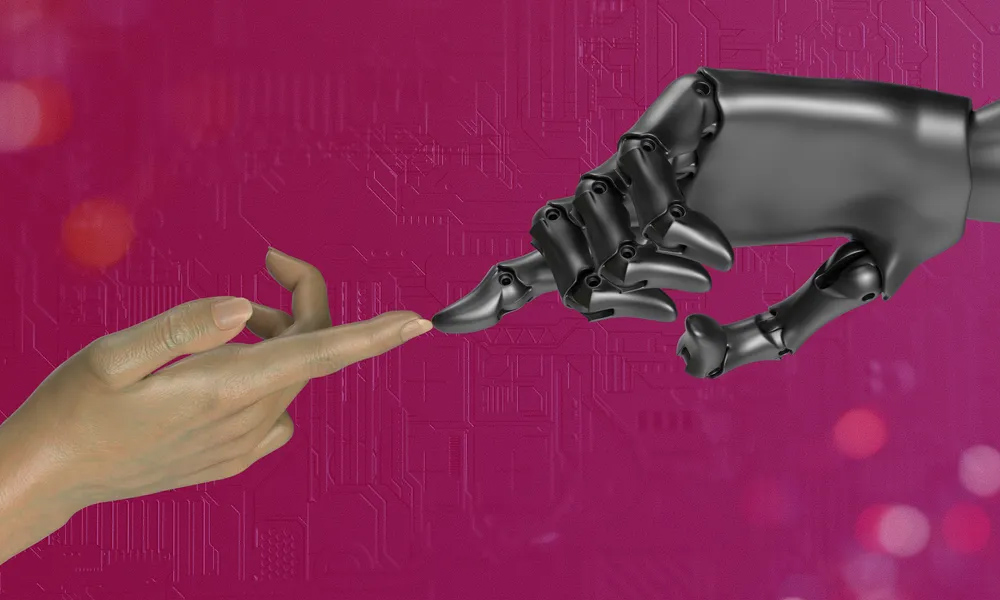
What’s fascinating is how naturally bots have blended into the creator workflow. Many fans don’t even realize they’re interacting with automation. And that raises important questions: Are bots empowering creators or replacing authenticity? Are they leveling the playing field or creating unfair advantages? One thing is certain—the creator economy will never go back to a pre-bot era. The relationship between human creativity and machine efficiency is now permanent, and it’s reshaping how value, labor, and influence work online.
Understanding Bots in the Digital Economy
What Are Bots and How Do They Work?
At their core, bots are automated programs designed to perform tasks without constant human intervention. But that simple definition barely scratches the surface. Modern bots are powered by rules, machine learning, and increasingly, artificial intelligence. They can respond to messages, analyze user behavior, trigger actions based on data, and even “learn” over time. Think of them less like robots and more like interns who never sleep, never complain, and get better the more they work.
In the digital economy, bots operate across platforms. Some handle customer support, others schedule posts, and some manage entire sales funnels. For creators, bots can greet new followers, send welcome messages, upsell premium content, and track engagement metrics in real time. Instead of manually juggling dozens of tools, creators can rely on bots to orchestrate the chaos behind the scenes.
What makes bots powerful isn’t just speed—it’s consistency. Humans get tired, distracted, and overwhelmed. Bots don’t. They respond the same way at 3 a.m. as they do at noon. In a global creator economy where fans live in different time zones, that consistency becomes a competitive advantage. Suddenly, even a solo creator can operate like a full-fledged media company.
Evolution of Bots: From Simple Scripts to AI Agents
Bots didn’t always look this impressive. Early versions were little more than glorified macros—if this happens, then do that. They followed rigid rules and broke easily. But as AI and data processing improved, bots became more adaptive. Today’s bots can analyze language, detect sentiment, and personalize responses based on user history.
This evolution matters because creators aren’t just selling content; they’re selling relationships. A smarter bot can remember a fan’s preferences, suggest relevant content, and respond in a tone that feels human. That’s a massive shift from the spammy bots of the past. The line between automation and interaction has blurred, and in many cases, fans care more about responsiveness than whether a human typed every word.
The Creator Economy Explained
What Is the Creator Economy?
The creator economy is a digital ecosystem where individuals monetize their skills, personality, knowledge, or lifestyle through online platforms. Instead of working for traditional employers, creators build audiences and earn money through ads, subscriptions, sponsorships, merchandise, and direct fan support. It’s part entertainment industry, part gig economy, and part social network experiment.
What makes this economy unique is its accessibility. You don’t need a studio, a publisher, or a network deal to get started. A smartphone and an internet connection are often enough. But that accessibility also means competition is fierce. Millions of creators are fighting for attention, and algorithms decide who gets seen. In that environment, efficiency becomes just as important as creativity.
How Creators Monetize Their Audiences Today
Creators monetize in diverse ways:
- Ad revenue from platforms like YouTube
- Brand deals and sponsorships
- Paid communities and memberships
- Digital products like courses or ebooks
- Subscription-based content platforms
Each of these revenue streams requires communication, follow-ups, and marketing. Bots step in to handle repetitive tasks—sending reminders, delivering content, onboarding new subscribers—so creators can focus on what they do best: creating. Without automation, scaling these income streams would be nearly impossible for most individuals.
Why Bots Are Becoming Essential Tools for Creators
Scaling Engagement Without Burning Out
Burnout is the silent killer of creator careers. The pressure to post consistently, respond instantly, and stay relevant can turn a dream job into a stress factory. Bots help by absorbing the repetitive workload. Automated replies, comment moderation, and message sorting free up mental space and time.
Instead of answering the same questions over and over, creators can design bot flows that handle FAQs and guide fans to resources. This doesn’t mean creators disappear—it means they show up where it matters most. Think of bots as noise-canceling headphones for your workload.
24/7 Presence in a Global Market
The internet never sleeps, and neither does the audience. Bots allow creators to maintain an always-on presence without sacrificing personal life. A fan in another country can receive instant responses, content recommendations, or purchase links even while the creator is offline. That constant availability increases trust, satisfaction, and ultimately, revenue.
Social Media Automation and Growth Bots
Bots on Instagram, TikTok, YouTube, and X
Social platforms are where discovery happens, and bots play a significant role in growth strategies. From auto-liking and commenting to DM sequences and analytics tracking, automation helps creators stay active without being glued to their screens. Smart bots don’t just spam—they analyze engagement patterns and optimize timing and messaging.
Engagement Pods vs. Intelligent Automation
Old-school engagement pods tried to game algorithms. Modern bots focus on genuine interaction signals. They help creators understand what content resonates and adjust strategies accordingly. The shift from manipulation to optimization marks a more sustainable use of automation.
Bots in Subscription-Based Platforms
Automating Fan Communication and Retention
Subscription platforms thrive on retention. Bots help by sending personalized messages, renewal reminders, and exclusive offers. In the middle of this discussion, it’s impossible to ignore how tools like an onlyfans bot have become central to automating fan interactions, upselling premium content, and maintaining consistent engagement without overwhelming creators.
Revenue Optimization Through Smart Automation
By tracking user behavior, bots can suggest the right content at the right time. This turns passive subscribers into active supporters, increasing lifetime value without aggressive sales tactics.
Conclusion: Humans and Bots, Better Together
Bots aren’t replacing creators—they’re amplifying them. In a noisy, competitive digital world, automation acts like a multiplier, turning individual effort into scalable systems. The future of the creator economy isn’t human versus machine; it’s human plus machine. Creators who learn to use bots responsibly will not only survive—they’ll thrive.