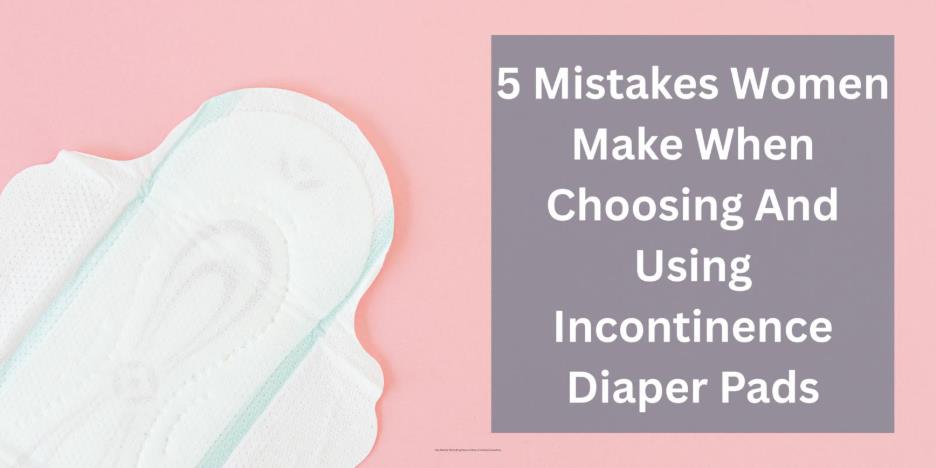
Managing incontinence is challenging, and it becomes even more intimidating when you do not know what products will really benefit you.
That said, diaper pads provide daily comfort for many women, though there is a lot of misunderstanding about choosing and wearing them.
Using the pad incorrectly or selecting the wrong one may cause discomfort, leaks, skin irritation, and added stress throughout the day. Nevertheless, having the correct information and understanding of how these products operate makes it much easier to manage incontinence.
High-absorbency pads with booster-like inserts can also be very helpful in enhancing comfort when worn correctly.
This article dwells on the most frequent errors women make when selecting and wearing incontinence diaper pads and provides clear-cut solutions to make the process a little less stressful and more successful.
1. Negligence Regarding Proper Fit And Size Of Diaper Pads
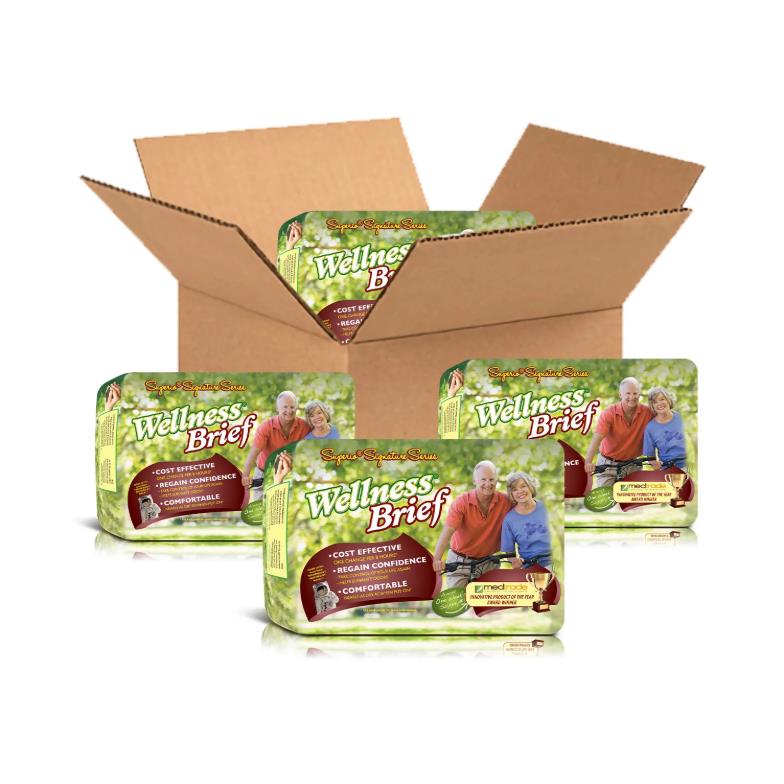
Most individuals make the mistake of overlooking the importance of a good fit and size when selecting diaper pads for women. The pad should be shaped to your body’s natural contours to provide reliable protection. A pad that’s too small can move around, lose its shape, and allow leaks, while a pad that’s too large can bulge or feel bulky under clothing.
The problems disrupt the pad’s ability to absorb moisture. Women lose out on avoidable leaks and discomfort when they ignore sizing advice or follow one-size-fits-all.
Instead, test the pad’s position against the body, keep it flat, and so forth until it becomes stable. It has been established that a good fit enhances confidence and increases the pad’s overall output.
2. Selecting Inappropriate Absorbency Level
Absorbency is a significant factor in supporting your daily routine with a pad. Most women opt for the highest absorbency they can, assuming it is the safest. A pad that is too absorbent may, however, become thicker than necessary, making it less comfortable and less natural to move.
On the other hand, selecting a pad that is too small in terms of absorbency results in leakage, additional changes, and anxiety about changing the pad throughout the day. The best thing to do is fit the pad to the level of leakage you have. This is used to guarantee comfort and reliability.
Additional support in the form of advanced booster pads can be added to more supportive pads without the extra bulk that the additional support would provide. Technological products quickly distribute moisture and lock it away more effectively; thus, they are a viable option to enhance the performance of your primary pad.
3. Placing Pad In Wrong Place

The most absorbent pad can never work efficiently when it is not placed properly. Most women put the pads in the wrong positions or do not iron the wrinkles after putting them in. Minor misplacement of parts leaves gaps where leaks are likely to occur.
It only takes a few seconds to ensure appropriate placement, with great benefits. To facilitate flow, it is usually a good idea to slightly raise the rear of the pad. The pad is supposed to fit snugly in tight, supportive underwear to ensure it stays in place throughout the day.
Once the pad is properly positioned and flat, it absorbs perfectly and eliminates the chances of leakage by a long margin. This minor change becomes one of the easiest yet most efficient ways to make life more comfortable.
4. Spending Too Much Or Too Little Time In Same Pad
Replacing pads promptly is crucial for hygiene, comfort, and preventing leaks. Other women switch pads frequently, even when the pad still has absorbent capacity. This leads to unnecessary waste and increased costs. The others do the reverse and keep the pad on too long in the hope that it will not have to be changed frequently.
Nevertheless, wearing a pad longer than advised may cause smell, dampness, and skin contact, and eventually leak-through. You need to strike a balance that fits your level of leakage and your daily routine.
Be aware of how quickly your pad gets wet, and adjust your schedule accordingly. Regular changes help keep the skin in good condition, and the pad should remain in place throughout the day.
5. Modification Or Overlaying Of Products Without Thinking Of Outcomes
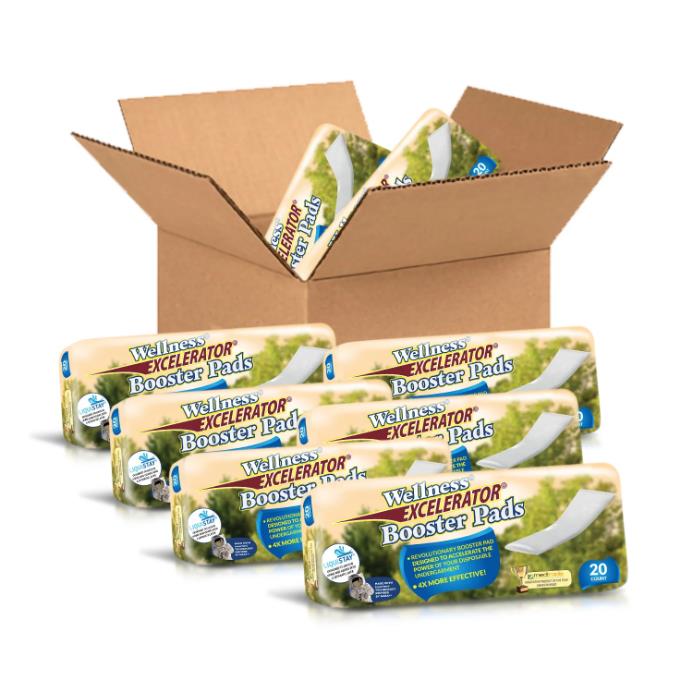
Women attempt to alter their products by cutting pads, folding them, or even piling several pads. Such modifications tend to disrupt the pad’s absorption process. Pad layers are constructed to move and retain moisture in a given manner.
In the case of a structural change, the liquid may fail to pass through the layers properly, leading to leakage or inconvenience. Two pads are also stacked, thus preventing moisture from reaching the inner absorbent materials as it should.
Rather than modifying the products, a much safer approach is to use the booster pads designed to be compatible with your current protection. These boosters are designed to be non-harmful to the functionality of your regular pad, making them a viable option if a woman needs more support during the day or at night.
Final Thoughts
When you know what actually influences comfort and performance, selecting and wearing incontinence diaper pads becomes much easier. You will be able to establish a more consistent and comfortable routine by not making such frequent errors as choosing the wrong size, finding the type of absorbency that does not fit your requirements, not putting pads in the wrong place, changing the composition of the products, and not changing them at the wrong time.
Advanced absorbency products provide an extra level of support during proper use and prevent leaks without unnecessary bulk. By making considerate decisions and establishing daily routines, women can manage incontinence more easily, comfortably, and confidently.