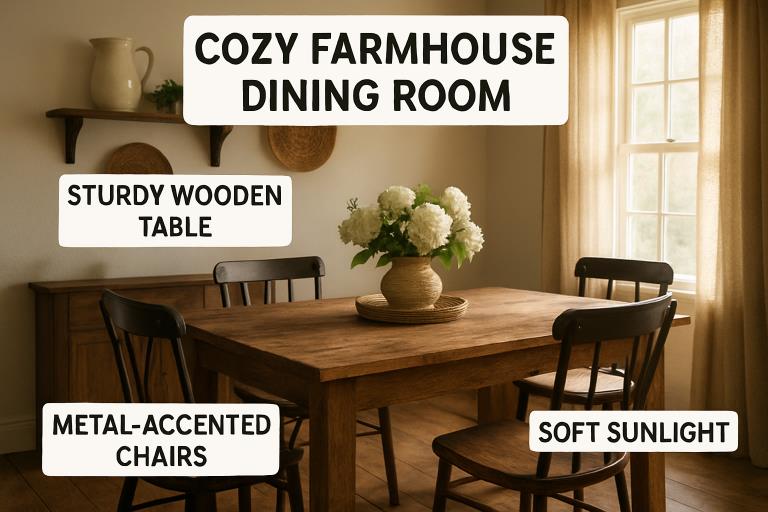
Farmhouse furniture feature stunning rustic charm alongside a sophisticated and elegant look with many pieces made from solid wood or reclaimed wood that can last for decades with proper care. Most furniture is intended to serve as the centerpiece of the room so it is important when cleaning and caring for your farmhouse furniture to treat it that way.
In order to care for your farmhouse furniture properly, when you shop furniture at Antique Farmhouse, the first step is to know what type of material was used in creating each piece. Maison/Farm house furnishings typically consist of solid or reclaimed lumber, are often complemented with sturdy metal hardware and also have finishes that create the warm, aged appearance. Most of these pieces of furniture require specific kinds of cleaning and care in order to maintain their unique character. As you begin using these items, they will be subject to everyday wear and tear such as scratches from being knocked against something, water marks from accidental spills, and even sunlight fading over time. So developing a consistent cleaning routine and using protective products can keep your beautiful farmhouse furniture looking great for a long time.
Protecting and caring for your investment in farmhouse furniture can help ensure that it will retain its beauty and utility for years to come. By properly learning how to clean your farmhouse furniture, controlling humidity levels inside your home, and periodically restoring the protective coatings on your farmhouse furniture you will eliminate much of the anxiety associated with keeping your farmhouse furniture clean from messes made by your children and pets.
Understanding Farmhouse Furniture Materials
Wooden furniture that is considered to be “farmhouse” generally consists of solid wood (as opposed to particle board), which can include oak, pine, maple, and salvaged/ reclaimed wood. Each type of wood has distinct features regarding strength and finish; oak has a good durability level and a beautiful grain pattern, maple is quite durable as well, and salvaged wood tells a story through its imperfections (knots, nail holes, weathered finishes) and is the least durable of the three types of wood, yet is also very appealing in terms of design.
Aside from wooden furniture, metal has become an increasingly popular component of farmhouse furniture design, such as drawer pulls, bases for tables, chairs, etc. Metal adds an industrial look to a farmhouse-type piece when it’s used in combination with the natural beauty of the wood.
A farmhouse piece embraces its “flaws” (imperfections), so it’s essential to maintain that piece regularly by cleaning and waxing to keep the grain of the wood visible, to keep it from splitting, and to keep the metal pieces free of rust. When cleaning or waxing your piece, you should only use products recommended by furniture professionals/manufacturers as some products can cloud or wear away the finish.
Daily Cleaning Practices
Regularly Clean Dust With A Soft Lint Free Cloth (Microfiber): Regular cleanings of dust and debris that build up over time can cause scratches on the finish, which is prevented by the use of a soft lint free cloth. Also, frequent cleanings will keep the finish looking great, as they will prevent the buildup and allow it to remain vibrant and attractive. Removing sticky or stubborn areas can be accomplished by using a damp cloth with mild dish soap and wiping with a clean dry cloth to remove residue. Avoid using aggressive commercial spray cleaners; they could degrade the organic materials of an item, leading to warping. Using simple non-abrasive techniques will enhance the longevity and luster of your Farmhouse Items.
Protecting Wood Surfaces
Prevent water stains, heat damage, and scratches from everyday use by placing coasters under all glasses and placemats before placing hot food on them.
To protect furniture from daily damage, apply a protective coating of high quality wood wax or oil every a few months to keep the wood nourished and provide some protection from daily wear and moisture. Wipe away any excess wax after application in order to avoid the sticky residue left behind.
When lifting any object from your antique furniture, try to lift it up off the surface instead of dragging it across the surface. This will reduce micro-abrasions on your wood furniture and help to maintain the finish of your wood.
Repairing Minor Damages
Using common household items and tools will allow you to easily repair little scratches and dents on your furniture.
To hide shallow marks, use a wood marker/pen that matches the colour of your furniture. For deeper scratches, rub in a matching wood fill stick to mask and seal it.
To fix small, round dents on solid wood, place a damp cloth over it and run a warm iron across it for 5 to 10 seconds. The steam from the cloth raises up compressed wood fibres, so the dent is less noticeable after doing this.
Gouges and cracks will likely need professional repair or wood filler, but taking care of minor scratches and dents before they worsen will protect the furniture from kilometres of deteriorating and keep them looking new for longer.
Seasonal Maintenance
Farmhouse furniture can be affected seasonally in two main ways – by humidity and temperature. Keeping the humidity levels in your home at an appropriate level is critical, because wood expands excessively from the lack of moisture and can contract and/or shrink from the latter. In winter, use a humidifier to keep the humidity levels up, and use a dehumidifier during the summer months if the humidity is high to maintain adequate moisture levels for healthy wood. You should also avoid placing any item directly next to heat sources, such as radiators, heater vents, and central air conditioning units. The repeated changing of temperatures over time causes the joints of farmhouse furniture to be weakened. It can also be beneficial to rotate or rearrange your farmhouse furniture to promote fair color and wear distribution as best you can, especially in rooms where the sun provides a lot of light through the windows.
Preventing Sun Damage
Sunlight can fade finishes, dry out wood fiber and lead to cracks or rough surfaces:
Placement: Keep furniture away from direct sun or apply UV filters to windows with UV filters.
Window Treatments: Use Blinds, Shutters, and or Drapes to minimise sun exposure during peak daylight hours; using Light Filtering Drapes: provides you the enjoyment of sun while ensuring that your furniture will last for Years.
Your consistent care in this area enables your furniture to maintain it’s character and rich,
welcoming colour for decades to come.
Metal Accents Care
Most farmhouse furniture features metal accents that require individual attention. Here are some suggestions on how to properly care for your metal accents:
Cleaning: Use a damp (not wet) cloth to clean your metal accents. Immediately dry your metal accents after cleaning to help avoid rust formation, as well as to maintain the shine of your metals.
Preventing Rust: Every few months, apply a little clear, light oil (such as mineral oil) to a cloth and buff out the metal accents. Do not use any abrasive or corrosive cleaning products on your metal accents, as they may cause erosion of the metal finishes.
If you notice rust on your metal accents, you can use a mild abrasive pad to remove rust and then immediately re-oil your metal accents to prevent future rust.
When to Seek Professional Help
Some problems that can occur include anything from the distress caused by large cracks/breaks in the materials to the wear on a piece’s finish, and all require specialized knowledge and ability to repair these types of problems without diminishing the value or authenticity of the item. In these instances, contact a knowledgeable and reputable restoration professional or crafts person who specializes in either wood or metal restoration in your area.
Final Thoughts
With regular attention and care, farmhouse furniture is designed to last long term. There are many ways you can care for your farmhouse furniture pieces on a daily basis and through each season—and there are also minor repairs you can make when accidents happen. By following a few simple guidelines, you can keep your family heirlooms looking as good as new and protect the character of your furniture for a long, long time. The beauty and warmth of your farmhouse furniture will grow as you regularly polish, gently clean, and protect from sun, making every piece of furniture richer with history, style, and memories every day.