Key Takeaways
- Porcelain veneers enhance appearance but require minimal enamel reduction for a secure fit.
- Most of the tooth’s structure remains intact, but enamel removal is permanent and cannot be undone.
- Good oral hygiene practices are necessary to protect veneered teeth and gums.
The process of getting dental veneers involves more than just enhancing the appearance of your smile—it also interacts with the natural structure of your teeth. Tooth enamel, the hard, protective outer layer, may undergo subtle changes during the placement of veneers. Understanding these changes is essential for maintaining long-term oral health and ensuring that the veneers adhere properly. While veneers can dramatically improve aesthetics, the procedure requires careful preparation to balance cosmetic goals with the preservation of enamel. Being informed about how enamel responds helps patients make confident decisions and ensures that their new smile remains both beautiful and healthy.
What Are Porcelain Veneers?
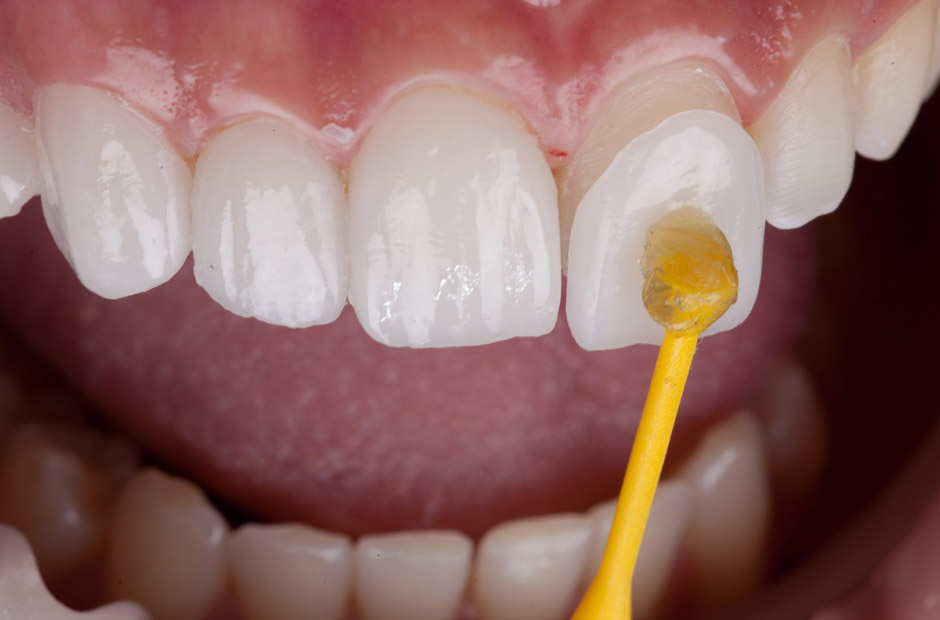
Porcelain veneers are thin, specially crafted ceramic shells designed to adhere to the front surfaces of your teeth. Their purpose is to enhance the appearance of teeth by correcting color, shape, size, and alignment. Because porcelain closely mimics the light-reflecting properties of natural enamel, veneers deliver an authentic, attractive finish that blends seamlessly with the rest of your smile. For those seeking cosmetic dental solutions, options like porcelain veneers Chattanooga, TN, provide expert care and customized results. Their custom fabrication means that each veneer is tailored to suit the unique needs and goals of the patient, making this a highly personalized cosmetic dental treatment.
The Role of Tooth Enamel
Enamel is the hardest substance in the human body, covering the visible portion of every tooth. It functions as a protective barrier, shielding the softer dentin and inner pulp from physical and chemical harm. Enamel’s resilience not only safeguards against decay and erosion but also plays a major role in maintaining the brightness and color of your teeth. Loss of enamel can leave teeth vulnerable to sensitivity, cavities, and damage, emphasizing the importance of minimizing alteration during cosmetic procedures like veneers.
Enamel Removal During Veneer Placement
One of the defining steps of the veneer process is preparing the tooth’s surface for bonding. This is accomplished by gently removing a thin layer of enamel—typically less than half a millimeter—from the front of each treated tooth. The amount removed is just enough to ensure that the veneer fits naturally, without creating bulk or interfering with your bite. Several factors, such as the current position of your teeth, their thickness, and your aesthetic goals, can influence exactly how much enamel is altered. Dentists carefully plan the reshaping process to preserve as much tooth structure as possible while still achieving a beautiful, long-lasting result.
Impact of Enamel Removal
Removing enamel during veneer placement results in a permanent change, as enamel cannot regenerate. If enamel is damaged or removed, the tooth will require a restoration, like a new veneer or another alternative. Patients might notice increased sensitivity immediately after the procedure, especially if significant enamel was removed. Over time, the porcelain shell can help decrease sensitivity by offering protection, but diligent aftercare is essential. Be sure to discuss enamel modification and long-term upkeep with your dentist before proceeding with treatment.
Minimizing Enamel Removal
Modern advances in cosmetic dentistry have led to the development of minimal-prep and no-prep veneers. These innovative solutions involve minimal to no enamel removal, making them a popular choice for individuals seeking to preserve their natural tooth structure. While not everyone is an ideal candidate for these less invasive types of veneers, they offer an appealing option for individuals with minor cosmetic concerns or those who are particularly concerned about irreversible changes. Open communication with your dentist will help you determine if you’re eligible for these alternatives or if traditional veneers remain the best choice for your goals.
Post-Procedure Care
Successfully maintaining veneers and the health of the teeth beneath them requires diligent home care. Continue brushing twice daily with a soft-bristled toothbrush, flossing gently, and attending regular professional checkups. Avoid using your teeth for tasks outside of chewing, such as opening packaging or biting fingernails. Minimize biting tough objects or foods that could cause chips or fractures. It’s also wise to avoid excessive consumption of stain-producing substances, such as coffee and red wine, to keep your veneers looking bright. Your dental team may recommend specialized products designed for veneered teeth, further protecting your investment in your smile.
Conclusion
Understanding how veneers affect tooth enamel enables you to proceed with confidence when considering cosmetic dental procedures. With advancements in materials and techniques, as well as the rise of conservative veneer types, patients now have a range of options designed to suit individual needs. Discussing your cosmetic vision and dental concerns with your provider is the best way to make an informed decision, ensuring that your smile remains both beautiful and healthy for many years to come.