Why Interior Doors Matter More Than You Think
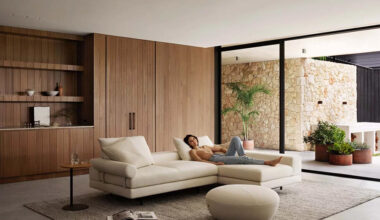
Interior doors are the unsung directors of a home’s rhythm says Normandy Park Property Management Company. They choreograph privacy and connection, guide light, soften sound, and frame the way rooms reveal themselves. Beyond simply opening and closing, a well-chosen door can anchor the mood of a space—think the quiet gravitas of a solid core slab in a study, or the airy, almost theatrical lift of a glazed panel between kitchen and dining. Doors influence how your home feels hour by hour: how conversations carry, how heat and cool air move, how focused you can be when life hums on the other side. When style and function sync, everyday living gets easier—and a little more cinematic.
Style Narratives: Trends Shaping Today’s Doors
Minimalist silhouettes are having a long, elegant moment. Flush designs with crisp reveals keep sightlines clean, letting texture and tone do the talking. Shaker profiles remain beloved for their tailored restraint, bridging modern and classic spaces with ease.
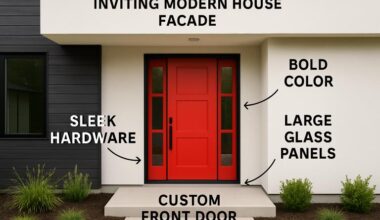
Bold color is back, and it’s not shy. Deep black doors can heighten contrast and help a hallway feel curated, while forest greens and inky blues enrich neutral rooms with quiet drama. Pattern-forward doors—reeded glass, slatted wood, chevron veneers—create playful focal points without clutter.
Glass features continue to soften interiors. Frosted, reeded, or laminated panels offer privacy while bending light into rooms that crave it. They’re especially effective in home offices, ensuites, and tight circulation zones that benefit from brightness.
Sustainability is edging from nice-to-have into default. Reclaimed woods bring history and texture, engineered cores reduce waste, and low-VOC finishes keep indoor air quality in check. Beauty and responsibility can live in the same frame.
Materials That Do the Heavy Lifting
Wood Solid wood delivers organic warmth and timeless presence. Species like oak, ash, and walnut offer distinctive grain and lend themselves to stains, oils, and clear finishes. It’s substantial, repairable, and, with proper sealing, exceptionally long-lived.
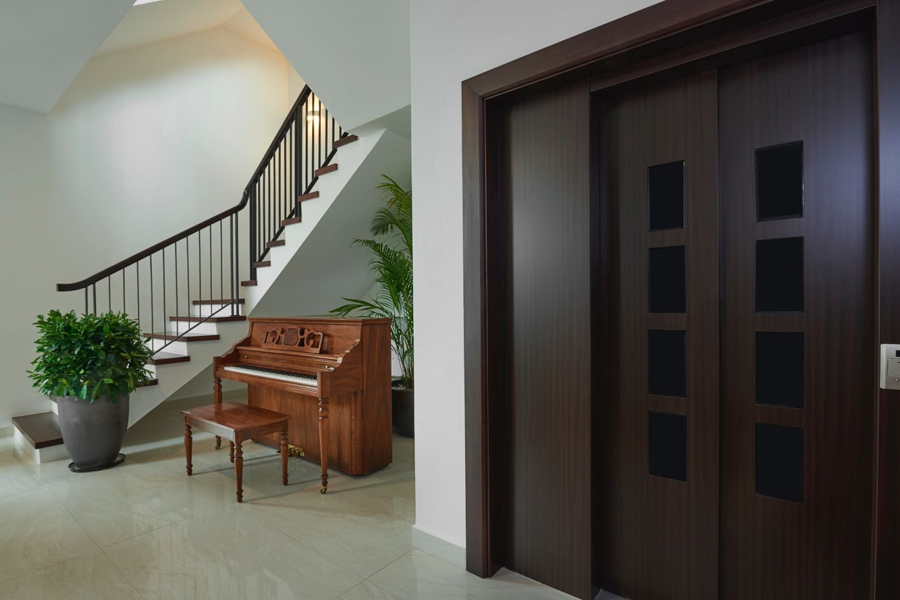
Solid Core Composites A favorite for bedrooms and media rooms, solid core doors pack weight for better sound attenuation and a premium feel. They’re stable, reliable, and often more budget-friendly than true solid wood, with a wide range of veneers and paint-ready skins.
MDF MDF is the chameleon of door materials: smooth, consistent, and perfect for crisp paint finishes or wrapped veneers. It resists warping better than many solid woods and provides a sleek foundation for minimalist designs, especially at scale.
Glass Tempered or laminated panels add elegance and function. Clear glass opens up sightlines, while frosted or reeded variations deliver the glow without the view. Framed or frameless, glass doors can visually expand small rooms and brighten deep floor plans.
Metal Steel or aluminum frames introduce modern edge and superb durability. Paired with glass, metal doors can turn everyday thresholds into subtle architectural statements. Powder-coated finishes offer color and protection in one.
Door Types That Transform Flow
Hinged Swing Doors The classic workhorse. Single or double, they can be paneled, flush, or glazed. They’re simple to install, easy to maintain, and dependable across almost every room.
Pocket Doors When square footage is tight, pocket doors glide into the wall to save precious swing space. They’re graceful in ensuites, pantries, and transitional zones, especially where clearance is tricky.
Barn Doors Mounted on an exposed track, barn doors bring rustic charm or modern industrial energy. They’re superb for sightline drama, though keep in mind they offer less acoustic and light sealing than hinged options.
Bi-Fold and Accordion Doors Ideal for closets, laundry nooks, or multi-use rooms. Their compact fold grants access without consuming space, and they can be styled to blend rather than shout.
French Doors Double doors with glass panels create a theatrical aperture between rooms. They invite light, frame views, and deliver a sense of connection while still giving you the option to close things off.
Choosing the Right Door for Your Room
Start with scale. High ceilings can handle taller slabs—84- or 96-inch doors feel bespoke and eliminate the “top-heavy” effect of tall walls with short openings. In compact spaces, standard 80-inch doors keep proportions balanced.
Match the mood. Sleek, flush doors suit minimal or mid-century interiors; Shaker profiles flatter transitional homes; arched tops or divided lites add romance and heritage cues. If you’ve embraced deep wall colors, a high-contrast black or brass-accented door can sharpen the composition.
Consider function like an insider. Bedrooms and media rooms benefit from solid cores and quality seals for quiet. Home offices earn their keep with glazed panels that soften the workday while implying separation. High-traffic areas thrive with durable finishes and hardware that’s easy to grab on the go.
Think traffic patterns. Identify where doors swing, where they’ll collide, and how they’ll affect furniture placement. In tight hallways, consider pocket or barn doors to free up floor space; in busy kitchens, ensure the swing won’t interrupt workflow.
Hardware, Finishes, and Little Luxuries
Hardware is jewelry for doors. Levers beat knobs for ease and accessibility, while magnetic latches deliver a satisfyingly silent close. Concealed hinges keep lines crisp; soft-close tracks on barn doors temper the drama with quiet grace.
Finish choices carry weight. Painted MDF yields a buttery smooth surface for saturated hues. Open-grain woods sing under stains or oil, revealing texture that plays with light. For black doors, a matte or satin sheen keeps things sophisticated and fingerprints manageable.
Details matter. Taller baseboards and properly proportioned casings frame doors like gallery pieces. Coordinated hinges, strikes, and backplates make the whole ensemble feel intentional. When the small things align, the door becomes part of a larger, cohesive story.
Comfort Gains: Acoustics, Light, and Energy
Sound control is where solid cores shine. Heavier slabs, perimeter seals, and automatic door bottoms can noticeably tame noise between rooms, leveling up bedrooms, nurseries, and remote-work setups.
Light is a mood-maker. Glazed doors funnel daylight deeper into a plan, easing the reliance on artificial lighting and helping small spaces feel generous. Frosted or reeded panels maintain privacy with an ambient glow.
Energy efficiency inside the home is subtler than at the front door, but zoned living benefits from solid cores and well-fitted frames. Close off seldom-used rooms to reduce conditioning loads, and choose doors that limit drafts where you want consistent temperatures—like the line between a warm kitchen and a sleeping wing.
Care That Keeps Doors Gorgeous Longer
Clean lightly, often. A soft cloth and gentle cleaner preserve finishes and keep hardware happy. For glass, a streak-free approach keeps the glow uninterrupted.
Manage humidity like a pro. Aim for stable indoor levels—generally in the 35–55% range—so wooden components don’t swell or shrink excessively. In damp climates, a dehumidifier can be the quiet hero.
Mind the mechanics. Lubricate hinges with silicone spray, tighten loose screws, and realign latches if you spot rubbing or misclosure. Touch up painted edges and protect high-touch areas with durable coatings to keep that new-door feeling in rotation.
FAQ
What’s the difference between solid wood and solid core?
Solid wood is made from lumber through and through; solid core uses a dense engineered core with a wood or paint-ready skin. Solid core typically offers similar weight, better stability, and a friendlier price.
Are black interior doors a good idea for small spaces?
Yes, when balanced with light walls and thoughtful lighting, black doors can add depth without making rooms feel smaller. The contrast can also sharpen architectural lines.
Do glass doors offer privacy?
Frosted, reeded, or laminated glass obscures views while still sharing light. Choose opacity based on how much separation you need.
Pocket door or barn door—what’s quieter?
Pocket doors generally seal better and can be fitted with soft closers, making them quieter than barn doors. Barn doors are stylish but leak more sound and light.
How tall should my interior doors be?
Standard height is 80 inches, but 84 or 96 inches can elevate proportion in rooms with higher ceilings. Match door height to ceiling height and casing style for balance.
What hardware is best for kids or accessibility?
Levers are easier to operate than knobs and work well with limited dexterity. Consider magnetic latches and soft-close features to reduce pinches and noise.
Can interior doors improve energy efficiency?
They can help with zoned comfort by limiting drafts and isolating conditioned areas. Solid cores and good seals make the biggest difference.
How often should I maintain hinges and seals?
A quick check every six months keeps things smooth and aligned. Lubricate as needed and replace worn seals to maintain performance.