The Slow March of Weather on Your Home
Homes aren’t fragile, but they’re not invincible either says Milpitas Property Management. Sunlight bakes paint and shingles until they dry out and crack. Rain rides the wind into seams and joints, then works its way down like a patient sculptor. Temperature swings push and pull on materials until they warp, flex, and separate. None of it happens overnight; it’s a quiet accumulation of tiny stresses that eventually turn into leaks, drafts, and repairs.
Therefore, weatherproofing now is crucial. Small, targeted renovations that stop moisture intrusion, slow temperature transfer, and keep air circulating just enough to stay healthy are preventive medicine for your home. You’ll notice more consistent room temperatures, reduced utility costs, and fewer Sunday-afternoon bucket-under-the-ceiling surprises.
The Roof: Your Everyday Shield
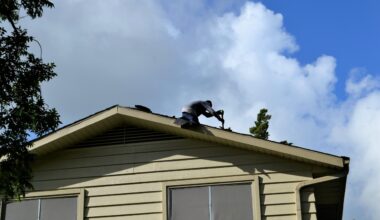
Your roof is hit first. The roof observes everything moving outside. Curled or missing shingles, loose flashing around chimneys and vents, dark algae streaks, and sagging gutters indicate weak areas before they become water stains on the bedroom ceiling.
Gutters and downspouts protect roofs. Keep them clean to prevent water from accumulating under shingles. Ensure downspouts discharge water five feet or more from the foundation. Clean, fast-shedding roofs safeguard the attic, walls, insulation, and structure below.
Insulation: Comfort You Can’t See
Insulation is the quiet superstar of a comfortable home. It slows heat flow, keeping your cool air inside during sweltering afternoons and your warmth inside when the wind bites. If one room is always hotter or colder than the rest, or your thermostat hustles to maintain setpoints, your insulation may be thin, patchy, or tired.
If you live where summers heat and winters bite, consider greater R-values and consistent attic coverage (no bare places, no compressed or shifted batts). Spray foam or dense-pack insulation can fill wall gaps not covered by other materials. The benefits go beyond comfort: smoother HVAC workload, fewer cycles, and longer equipment life.
Seal the Small Stuff, Stop the Big Problems
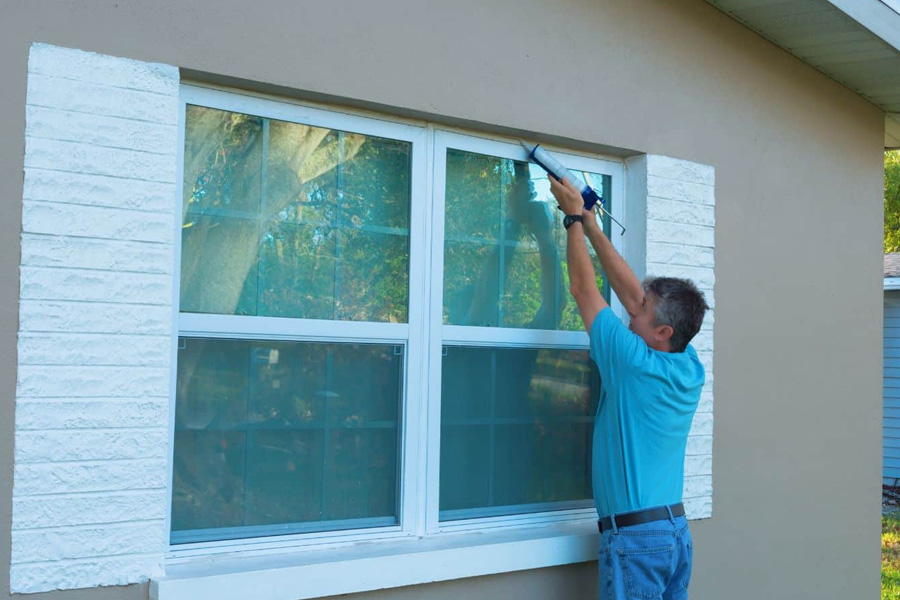
Air will use any space to go from high to low pressure. Windows, door jambs, attic hatches, electrical outlets, and hose bibs let conditioned air out and moist outside air in. Few tubes of quality caulk, fresh weather-stripping, and expanding foam around penetrations yield big effects for a cheap expenditure.
Do a seasonal sweep: spring and fall are ideal. Close your hand around door edges and window frames to feel drafts, or use a simple smoke pencil to see air movement on a breezy day. Seal, test, repeat. Your home gets quieter, your rooms stabilize, and your furnace and A/C get a break.
Water Management: Direct, Deflect, Dry
Water causes the most expensive damage because it hides until it doesn’t. Start with drainage. Grade the soil so it slopes away from the house. Keep gutters clear and downspouts extended. Install splash blocks or extensions that move water well past plant beds and footers.
Indoors, trust your nose and your eyes. Musty smells, peeling paint, shadowy stains, or soft drywall are early warnings. A dehumidifier in damp basements, a sump pump in high-water areas, and proper foundation sealing can keep moisture where it belongs—outside. In heavy-rain regions, gutter guards and larger downspouts can prevent overflows that soak fascia and siding.
Ventilation: Let Your House Breathe
A tight home is efficient yet must breathe. Lack of ventilation causes humidity, condensation, and swelling, encouraging mould and decay. Balanced intake and exhaust (soffit vents and ridge or roof vents) relieve heat and moisture that would fry insulation and warp sheathing in the attic. That temperature drop alone can prolong roof life.
Bathroom and kitchen exhaust fans should vent outdoors, not into the attic or crawlspace. Run them after showers or cooking. If windows fog on cool mornings or rooms smell “closed,” your home’s environment is telling you to remove moisture to prolong paint and framing.
Materials That Match Your Map
Climate tests building materials. Moisture-resistant siding, treated lumber, and stainless or galvanised fasteners prevent corrosion and swelling in coastal or humid environments. Impact-rated shingles and laminated glass decrease debris and wind damage in storm-prone areas. Reflective roofs and radiant barriers lower attic temperatures and cool your system in hot, dry climates.
If your temperatures swing wildly between seasons, look for materials with stable expansion and contraction, such as fiber cement, brick, and engineered wood. These products handle the dance of freeze-thaw and scorching sun without splitting or cupping. Low-maintenance doesn’t mean low performance; it means you spend weekends living, not repairing.
Smart Maintenance: Timing, Tools, and Tells
A little structure helps. Pair weatherproofing with the calendar: roof and gutter check in early spring, seal and insulation check in late autumn, ventilation check as humidity rises. In a home journal with images, record little changes to spot trends.
Simple tools improve game. Moisture meters show wall dampness. Infrared thermometers can detect insulation-related temperature abnormalities. A torch and sharp eye can spot fine cracks, flaking paint, rust stains and bent trim. Details are your early warning system.
FAQ
How often should I inspect my roof?
Do a quick check at least once a year and after major storms, looking for missing shingles, loose flashing, and clogged gutters.
What’s the easiest upgrade to cut energy loss fast?
Seal air leaks around windows, doors, and penetrations with caulk, weather-stripping, and foam; it’s inexpensive and immediately noticeable.
How do I spot poor ventilation in my home?
Foggy windows, musty odors, and uneven room temperatures are telltale signs that moisture and heat aren’t escaping properly.
Is weather-proofing worth the cost?
Yes—small upgrades reduce energy bills, prevent water damage, and extend the life of roofs, siding, and HVAC equipment.
Do I need permits for weather-proofing work?
Most minor sealing and insulation tasks don’t require permits, but structural roof work or window replacements may, depending on local rules.
What materials work best near the coast?
Moisture-resistant siding, treated lumber, and corrosion-resistant fasteners help resist salt air, humidity, and frequent storms.
How far should downspouts carry water away from the house?
Aim for at least five feet from the foundation to prevent pooling and minimize basement and footer moisture issues.
How can I tell if my insulation is underperforming?
Rooms that won’t hold temperature, persistent drafts, or rising energy bills suggest thin, degraded, or uneven insulation coverage.
Should bathroom fans vent into the attic?
No—vent them outdoors; attic exhaust adds moisture that can damage insulation and roof structures.