Colder months can feel long when a home isn’t ready for the shift in weather. Several tasks deserve attention before winter sets in, and tackling them early saves time, stress, and repair expenses later. Many homeowners focus on one or two areas, yet the best results come from looking at the home as a whole.
Ellensburg, WA, offers a clear reminder of how quickly the season can change. Once chilly air moves in, small issues grow into noticeable problems. Homes respond better when they’re prepared ahead of time, and that preparation starts with understanding which tasks carry the most impact.
Inspect Electrical Systems for Seasonal Reliability
Reliable electricity becomes more important during the colder months since indoor activities increase and households depend on lighting and appliances more often. An early look at the electrical system helps prevent unexpected interruptions. Panels, outlets, and high-use circuits should be examined for signs of stress, including warm outlet covers, flickering lights, or tripping breakers.
A professional inspection can offer clarity when homeowners aren’t sure what the source of an issue may be. Electricians can identify loose connections, aged components, or circuits that no longer match a home’s needs.
Service the Furnace for Reliable Heating
As temperatures drop in Ellensburg, a dependable furnace becomes essential. Cold, dry winters put steady demands on heating systems, and furnaces that sit unused through the warmer months often struggle when first powered on. Weak airflow, ignition delays, or unusual noises can signal deeper issues that may worsen as winter conditions intensify.
Routine servicing clears out debris, improves airflow, and ensures each component responds as it should. Technicians inspect burners, ignition systems, safety controls, and filters to confirm the furnace can handle the demands of the season. If you’re looking for furnace repair in Ellensburg, WA, choose professionals who understand local conditions and can prepare your system for the demands of winter. Their insight helps prevent mid-season breakdowns and keeps heating consistent from the start of the season to the end.
Improve Insulation for Better Indoor Comfort
Insulation plays a major role in how well a home maintains warmth. Thin or aging insulation allows heat to escape, which leads to higher energy costs and uneven temperatures from room to room. A quick inspection of attics, crawl spaces, and exterior walls often reveals gaps or areas that need reinforcement.
Adding fresh insulation or boosting existing layers helps the home retain heat more effectively. These improvements create a steady indoor environment and reduce the strain on the heating system. Even small adjustments can make a noticeable difference in comfort once winter settles in.
Inspect the Roof for Seasonal Wear
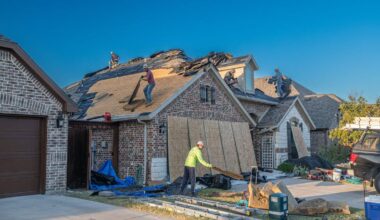
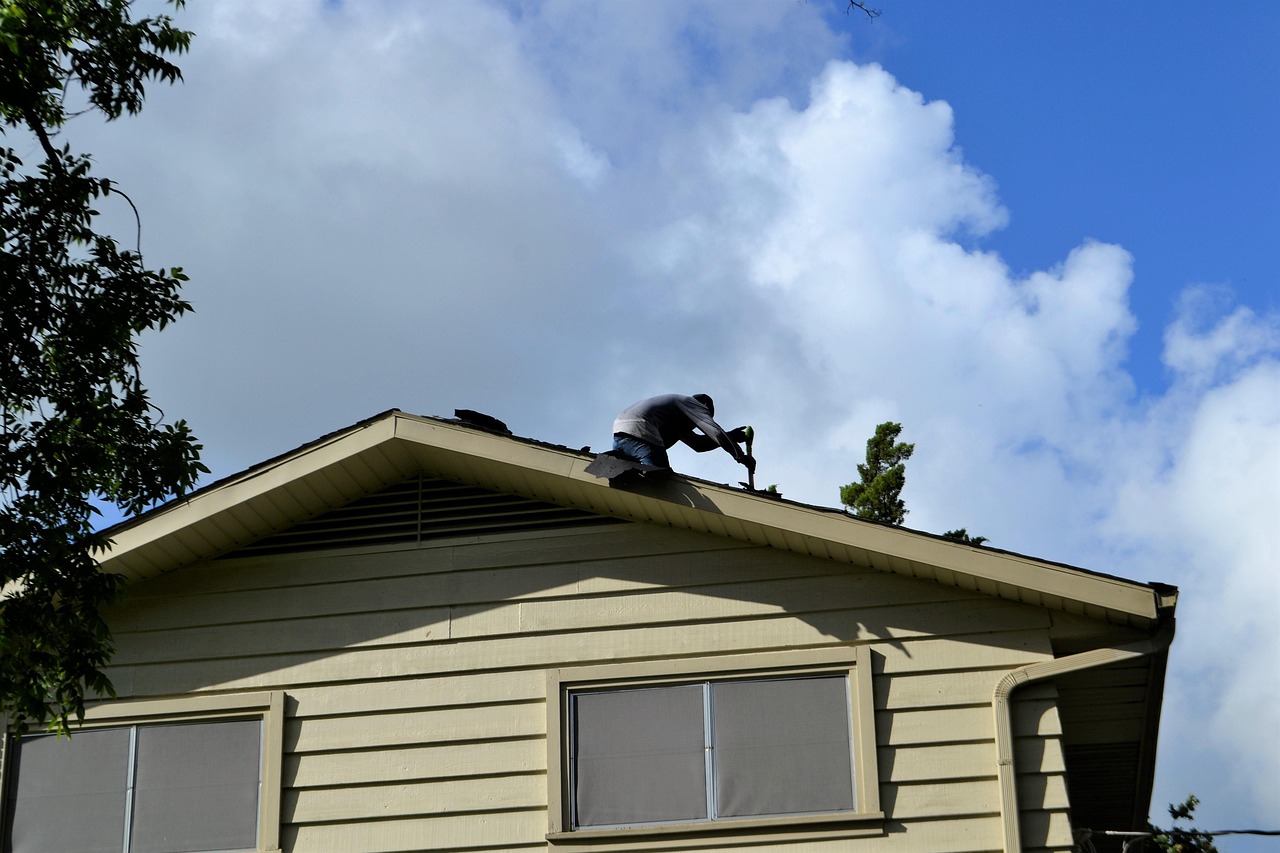
The roof shields the entire home from winter’s challenges, so giving it attention early in the season is essential. Shingles that appear loose, curled, or missing can let moisture seep in once snow and ice accumulate. Flashing around chimneys or vents may weaken over time and create small openings that turn into larger issues.
A careful inspection helps identify these concerns before the weather makes repairs more difficult. Fixing damaged areas early keeps the interior dry and prevents costly water-related problems. A well-maintained roof also improves overall home efficiency by keeping cold air out.
Clean Gutters to Prevent Ice-Related Damage
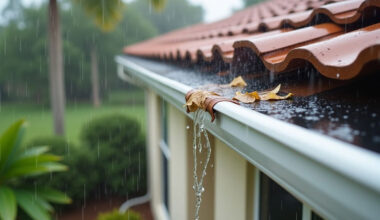
Gutters work quietly in the background, yet they play a major role in protecting the home. Leaves and debris left over from fall restrict water flow, and once temperatures drop, trapped water can freeze and form ice dams. These blockages push water toward the roof instead of guiding it away, which leads to leaks and damage along eaves, siding, and fascia.
Clearing gutters before the first freeze ensures water can move freely during winter storms. Homes surrounded by trees may benefit from guards that reduce the amount of debris entering the system.
Protect Plumbing Against Freezing Temperatures
Plumbing faces some of its toughest challenges during winter. Pipes positioned in unheated spaces, along exterior walls, or near entry points are more vulnerable to freezing. When water freezes inside a pipe, pressure builds quickly and can cause the line to burst. Repairs become costly, and the damage often reaches flooring, walls, and belongings before anyone notices the issue.
A good first step is to locate exposed pipes in basements, crawl spaces, and under sinks. Insulating these areas creates a layer of protection that keeps temperatures stable. Outdoor faucets also need attention, since lingering water inside them can freeze once temperatures fall.
Test Smoke and Carbon Monoxide Detectors
Safety devices become even more important during winter. Homes rely on furnaces, fireplaces, and other fuel-burning equipment that can create carbon monoxide when something goes wrong. Reduced ventilation during colder months adds another layer of concern, so detectors must be in proper working order.
Testing each device takes only a moment and gives clear reassurance. Batteries should be replaced regularly, and any unit that fails a test should be upgraded right away. Many detectors have expiration dates printed inside the battery compartment, and older models may not provide reliable protection.
Review Weatherstripping and Seal Drafts
Drafts can quietly impact indoor comfort throughout winter. Small gaps around windows and doors allow cold air to creep in, which forces heating systems to work harder. Many homeowners notice cool pockets or slight temperature shifts from one room to another without realizing the source is a worn strip of material along an entry point.
A simple test involves running a hand along the edges of windows and doors to feel for any movement of air. Light shining through corners or sides also signals that a seal no longer fits as it should. Replacing worn weatherstripping is a quick project that comes with immediate results. Caulk can fill small cracks, while draft stoppers help block airflow around the base of doors.
Home preparation for winter becomes much easier when each task is approached with a clear plan. Early attention to electrical systems, heating equipment, insulation, roofing, gutters, plumbing, safety devices, and draft control creates a strong foundation for the months ahead. These efforts help prevent common seasonal issues and keep the home running smoothly when conditions turn colder.
Winter often brings unpredictable weather, and a well-maintained home handles those shifts with confidence. The time invested now pays off through steady warmth, lower repair risks, and a more comfortable living space.