A beautifully designed website can make a powerful first impression. The colours feel inviting, the layout feels intuitive, and the visuals feel polished. But many businesses discover the hard way that design alone doesn’t generate traffic, leads, or growth. A website may look stunning, yet still fail to convert visitors or support long-term goals. This is why working with an experienced internet marketing service can help shift your perspective: design is only the beginning of what a high-performing website needs.
Even though design matters ,and it does ,it represents only one layer of a much deeper system. Today’s websites must balance psychology, usability, speed, messaging, SEO, trust signals, and customer pathways. Good design captures attention, but strategy keeps attention. And in a world where users scroll quickly, judge instantly, and abandon pages without hesitation, the difference between “looks great” and “works great” becomes the difference between growth and stagnation.
So why does your website need more than good design? Let’s explore the deeper structure behind a website that not only looks beautiful but also performs beautifully.
1. First Impressions Matter ,But Only for a Moment
A striking website immediately shapes how visitors perceive your brand. Within seconds, people decide whether you feel trustworthy, credible, and worth exploring. But after that initial moment, their attention shifts. They begin scanning for deeper cues: “Is this useful?” “Is it relevant?” “Can this business help me?”
Good Design Makes the Introduction
Visual elements influence the emotional state of a visitor. Colours shape mood. Typography shapes readability. Layout shapes confidence. A sleek design communicates competence before a single word is read.
Design pulls the visitor in.
But Function Keeps Them There
Psychologically, users move fast. Their attention spans are short. After appreciating the design, they immediately begin looking for:
- information that solves their problem
- clear guidance on next steps
- reassurance they are in the right place
- trustworthy signals
- answers to unspoken questions
If the website fails to deliver these quickly, the visitor leaves ,regardless of how beautiful the design is.
Beauty Without Substance Creates Friction
A page can look impressive while still being difficult to use. Visitors may feel confused, overwhelmed, or unsure where to click. When design becomes decoration instead of direction, the emotional experience turns from admiration to frustration.
The psychology is simple: people value clarity over creativity. Good design helps, but usability keeps you relevant.
2. Your Website Must Be Built for Humans ,and for Search Engines
People often think of websites as digital storefronts, but search engines see them as structured data, technical performance scores, and relevance indicators. If your website looks beautiful but is invisible to search engines, very few people will ever see it.
SEO Is the Foundation Beneath the Design
Search engines don’t reward beauty ,they reward:
- speed
- structured content
- optimized headings
- useful pages
- internal linking
- mobile responsiveness
- accessibility
- keyword strategy
Design without SEO is like a billboard in the desert ,visually impressive, but seen by no one.
Search Intent Matters
Every visitor comes to your website with a question, goal, or problem. Search intent determines what they expect to find. When your website answers that intent clearly, search engines recognize the value and reward it with visibility.
A good design supports intent ,but it can’t fulfill it alone.
Speed and Performance Influence Rankings
If your website looks great but loads slowly, Google will rank you lower. Users will abandon the site. Bounce rates increase, and conversions plummet.
Performance is invisible ,until it’s not. A slow website creates silent failures.
Search engines and users both demand speed and clarity. Design is only one part of that equation.
3. Messaging and Storytelling Matter More Than Aesthetics
Many businesses focus on visual design but overlook the power of words. Clear messaging, strong headlines, and emotionally resonant storytelling often outperform design by influencing how visitors think and feel.
People Make Emotional Decisions First
Before visitors analyze details, they make intuitive judgments. Good messaging:
- shows empathy
- builds trust
- positions the brand clearly
- answers questions people haven’t asked yet
- creates emotional connection
Without strong messaging, even the most beautiful website feels hollow.
Storytelling Shapes Identity
Humans naturally connect with stories. The story behind your brand, your values, your service, and your purpose becomes the narrative visitors remember.
A well-designed homepage with poor storytelling feels empty. A simple design with strong storytelling feels meaningful.
Clarity Beats Creativity
Visitors want answers, not poetry. Good messaging guides visitors through the website without confusion.
Design draws eyes, but words move hearts ,and wallets.
4. Conversion Pathways Turn Visitors Into Customers
A website’s true purpose is not to impress ,it’s to convert. That conversion could be:
- a contact form
- a product purchase
- a newsletter signup
- a booking
- a consultation request
The design may influence mood, but the structure influences behaviour.
Clear Calls-to-Action Are Essential
Buttons should be:
- visible
- intentional
- strategically placed
- emotionally meaningful
A beautifully designed page with a weak or hidden call-to-action creates dead ends.
The User Journey Must Be Intentional
Visitors follow predictable patterns:
- scan the headline
- skim the sections
- look for proof
- look for guidance
- decide
When the website’s structure mirrors these patterns, conversions rise.
When the structure fights these patterns, even the best design fails.
Trust Signals Turn Hesitation Into Confidence
Visitors need reassurance. Effective trust signals include:
- testimonials
- case studies
- reviews
- certifications
- media features
- social proof
- clear policies
A beautiful design without proof feels like a storefront with no reputation.
Trust signals turn design into credibility.
5. A Website Must Evolve ,Not Sit Still
Good design can last a few years, but effective websites evolve continuously. Algorithms change. User behaviour shifts. Competitors update. Technology improves. Trends fade. A static design cannot keep up with the moving reality of digital marketing.
The Best Websites Are Living Systems
They are updated regularly with:
- fresh content
- optimized pages
- technical improvements
- new offers
- updated images
- revised messaging
- improved navigation
Design is the frame. Evolution is the growth.
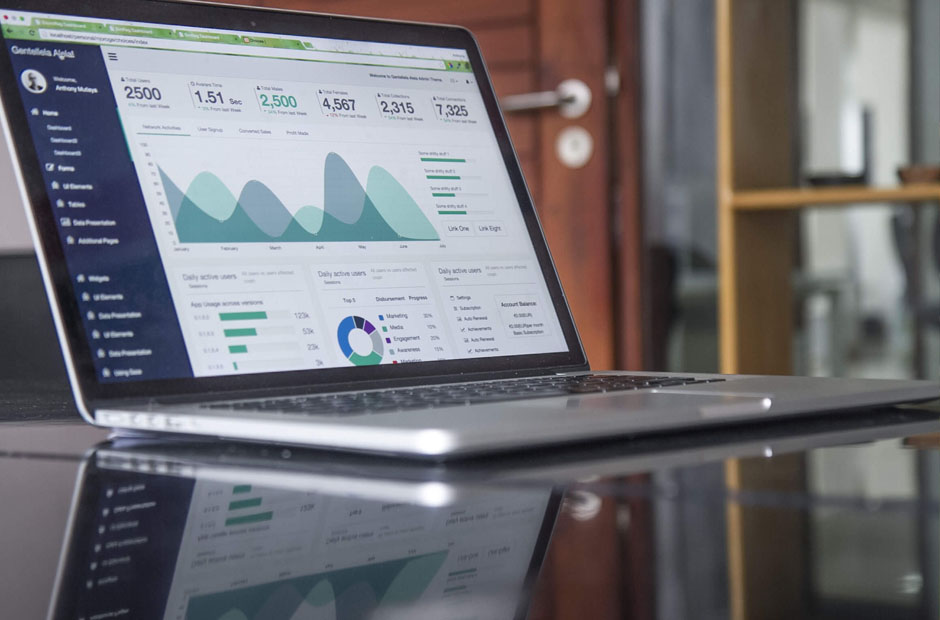
Analytics Reveal What Users Actually Do
Data shows:
- where people click
- where they get stuck
- what pages they ignore
- how far they scroll
- where conversions drop
If you only focus on design, you never see the story the data is telling.
Adaptability Outperforms Aesthetics
A website that adapts to user behaviour will always outperform a static, beautiful design.
Your website should be a dynamic tool ,not a digital brochure.