Key Takeaways
- Lawn aeration helps combat soil compaction, creating prime conditions for grass root growth that lead to a fuller, more vibrant lawn.
- Proper timing and technique are crucial for optimizing the results of aeration and overseeding, as different grass types have specific seasonal needs.
- Pairing aeration with overseeding and following best practices leads to a more resilient, lush lawn that can withstand environmental stresses.
- Common mistakes, such as over-aerating or ignoring thatch, can diminish the benefits of this essential process by impeding healthy growth.
Understanding Lawn Aeration
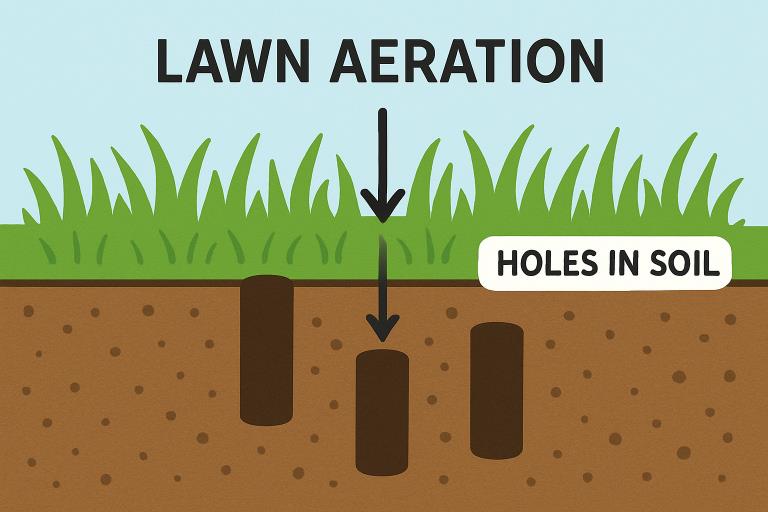
Lawn aeration is the process of perforating the soil with small holes, which helps relieve compaction and exposes the root zone to critical elements like air, water, and nutrients. Over time, foot traffic, frequent mowing, and even rainfall contribute to compacted soil, causing it to harden and restrict the natural flow of these essential components. Compacted soil makes it increasingly difficult for grass roots to penetrate deeply, ultimately limiting the overall health and thickness of your turf. By breaking up this dense layer, aeration revitalizes the ground and enables deep root expansion, resulting in thicker, healthier turf.
This common yet often overlooked maintenance technique is essential for the long-term beauty of any yard, regardless of its size or type of grass. Homeowners seeking to maintain a vibrant property, especially in climates like those of the Northeast or areas with heavy clay soils, can benefit significantly from seasonal aeration as part of their annual maintenance plan. Aeration also plays an important role in preventing puddling and soil erosion after storms, and well-aerated lawns recover more quickly from inclement weather. For tailored, professional support with New York lawn care, working with local experts ensures the best outcomes for regional grass varieties and growing conditions, providing a customized approach to soil challenges and microclimates.
This common yet often overlooked maintenance technique is essential for the long-term beauty of any yard, regardless of its size or type of grass. Homeowners seeking to maintain a vibrant property, especially in climates like those of the Northeast or areas with heavy clay soils, can benefit significantly from seasonal aeration as part of their annual maintenance plan. Aeration also plays an important role in preventing puddling and soil erosion after storms, and well-aerated lawns recover more quickly from inclement weather.
Benefits of Lawn Aeration
- Enhanced Soil Health:Compacted soil prevents essential nutrients and water from reaching the roots. Aeration loosens the soil matrix, enabling better uptake of oxygen, water, and nutrients. Healthier soil encourages beneficial microbial activity, which helps break down organic matter and enhances overall lawn vitality. This improved soil environment is critical for vibrant, resilient lawns that can withstand stress and recover rapidly.
- Improved Water and Nutrient Uptake:Watering a compacted lawn often leads to frustrating runoff, where precious moisture escapes instead of nourishing the grass. Aeration channels water and fertilizer down to where grass roots can utilize them most effectively, conserving resources and maximizing the return on every watering and fertilizing effort you make.
- Increased Root Growth:Deep, robust roots are key to sustaining grass through drought, heat, disease, and foot traffic. Aeration encourages roots to penetrate more deeply and develop stronger networks, thereby bolstering lawn durability and density over time. This deeper root structure enhances drought resistance and helps turf recover quickly from environmental stress.
- Reduction of Thatch:Thatch is a dense layer of organic matter that accumulates just above the soil line, potentially suffocating grass and providing a haven for pests or disease. Aeration helps break down this layer by improving the balance of air and water in the root zone, which naturally encourages the decomposition of thatch. Healthier, well-aerated lawns are less prone to fungal infections and pest infestations.
When to Aerate Your Lawn
The best time for aeration largely depends on the type of grass in your lawn and the regional weather patterns. Timing aeration correctly is key to successful results. For cool-season grasses (such as Kentucky bluegrass and fescue), early fall is ideal. The combination of cooler temperatures, consistent rainfall, and reduced weed competition creates favorable conditions for new root growth and rapid recovery after the aeration process. For warm-season grasses (like Bermuda and zoysia), late spring through early summer is preferable. This period coincides with the peak growing season of these grasses, enabling rapid healing and robust expansion of the root system.
Always aerate when the soil is moist, as this allows the aeration equipment to penetrate easily and prevents unnecessary damage to the lawn. Avoid aerating immediately after heavy rain or irrigation, as overly wet soil can clog equipment and cause soil to smear, which is counterproductive. Avoid the peak of summer heat or periods of drought, since stressed grass may not recover well from the mechanical disturbance of aeration. While once a year is sufficient for most lawns, high-traffic yards—such as those used for kids’ play or pets—can benefit from more frequent aeration. It’s essential to understand your soil type, grass type, and local climate before scheduling aeration for optimal results.
How to Aerate Your Lawn
Aeration can be performed using two main tools, each with its unique advantages and ideal applications. Core aeration involves a machine that extracts small plugs of soil (typically 3-4 inches deep), leaving the plugs scattered on top of the turf to decompose naturally. By removing these plugs, you relieve compaction and create direct channels for oxygen, nutrients, and water, making it the preferred method for achieving lasting improvement, especially in heavy clay or highly trafficked lawns.
Core Aeration
Core aeration excels at resolving deep compaction issues and is highly effective in promoting new root growth, resulting in improved turf density and health over the long term. It is the gold standard for most home lawns and sports fields alike, ensuring that the soil remains loose enough for grass to flourish during the growing season.
Spike Aeration
Spike aeration uses solid tines to puncture the soil without actually removing any material. This approach offers some improvement in water and air movement but is typically best suited for very light compaction or as a supplemental measure on already healthy lawns. However, it may not provide the long-lasting results that core aeration offers, particularly for heavily compacted areas.
Preparation is essential for effective aeration. Water your lawn the day before to soften the soil, which makes it easier for spiked or cored equipment to penetrate. Always mark invisible hazards, such as irrigation heads, underground dog fences, or shallow utility lines, before you begin aerating to avoid accidents or costly damage.
Combining Aeration with Overseeding
For those seeking the ultimate in lawn renewal and repair, overseeding immediately after aeration offers substantial benefits. The holes left behind by the aerator create the perfect seedbed—sheltered, aerated, and with easy access to nutrients and moisture. Overseeding infuses your yard with hardy, disease-resistant grass seed varieties, which is particularly important in aging lawns or areas that have experienced disease outbreaks or drought-borne thinning.
To achieve the best results, aerate your lawn thoroughly and then spread a top-quality seed blend that matches your climate and sun exposure. Broadcasting seed evenly helps prevent patchiness and ensures that new seedlings have maximum soil contact—one of the keys to strong germination. Keep the newly seeded area moist, but not soaking, for at least two weeks following the process. This steady moisture supply helps seeds sprout quickly and encourages them to establish deep roots as they develop into healthy new grass plants.
Common Mistakes to Avoid
- Aerating During Drought or High Heat:Grass is already under stress during these times, and recovery from aeration will be slow. Always aerate when moisture and temperature levels are optimal for vigorous new growth.
- Over-Aerating:While aeration is beneficial, frequent treatments can damage healthy root systems by disturbing them too often, resulting in a weaker lawn. Unless your soil is exceptionally compacted or the turf experiences unusually high use, once a year is generally adequate.
- Ignoring Excessive Thatch:If your lawn’s thatch layer is thicker than a half inch, always dethatch first. Aeration equipment may not be able to penetrate through thick thatch, reducing the effectiveness of the entire process and leaving roots still starved for air and nutrients.
- Neglecting Aftercare:After aeration or overseeding, failing to water or fertilize can stunt new growth or waste your efforts. Always follow up with proper watering and fertilize according to your lawn’s specific needs for optimal results.
Final Thoughts
Lawn aeration is a fundamental component of home lawn care that deserves a spot on every homeowner’s annual maintenance checklist. By relieving soil compaction, facilitating vital nutrient exchange, and boosting root strength, regular aeration helps establish a lush, lasting green space. Combined with overseeding and attention to timing and technique, you can maintain a healthy and beautiful lawn throughout the year. Avoiding common mistakes, such as improper timing and thatch neglect, ensures you reap every benefit from this essential practice. With the right approach, aeration transforms your yard into a resilient and attractive outdoor space that your family and guests will enjoy for seasons to come.