Key Takeaways
- Golf seamlessly integrates gentle physical exercise with powerful mental relaxation, supporting overall well-being for players of every age.
- Natural settings on golf courses help reduce stress and elevate mood, setting the stage for positive emotional outcomes and long-term health benefits.
- Golf’s social nature fosters meaningful connections and promotes emotional well-being through shared experiences and teamwork.
- Regular participation can enhance physical fitness, mobility, and cardiovascular health, contributing to longevity and improved daily function.
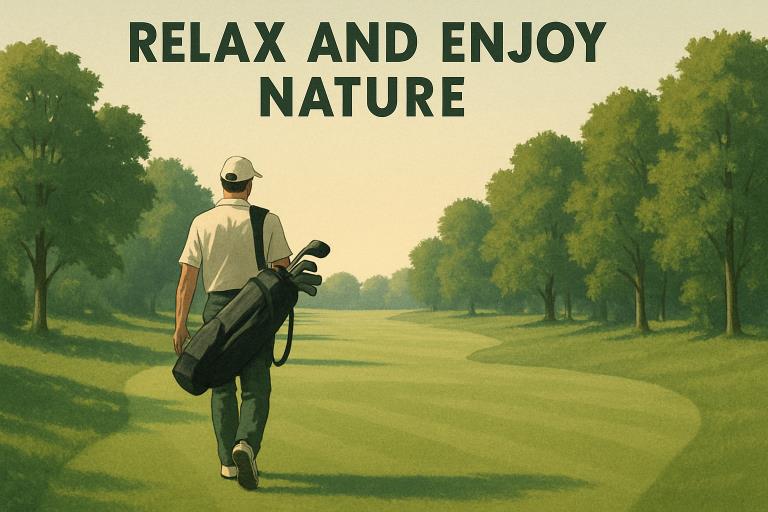
Golf offers a unique blend of physical activity, mental focus, and time spent in nature, making it an ideal sport for stress relief and outdoor recreation. Unlike many high-intensity sports, golf encourages a slower pace, allowing players to immerse themselves in the surroundings, enjoy fresh air, and clear their minds. The combination of walking the course, practicing swings, and concentrating on the game promotes both physical and mental well-being. Engaging in golf can help reduce tension, improve mood, and provide a structured yet relaxing way to disconnect from daily pressures.
Playing on a private golf course can further enhance this experience by providing a quieter, less crowded environment where players can focus fully on the game and the natural setting. The serene atmosphere and well-maintained landscapes contribute to a sense of calm, making each round an opportunity to recharge mentally and physically.
Physical Activity and Mental Relaxation
Golf’s allure stems from its ability to couple moderate physical activity with opportunities for mental relaxation. Walking an 18-hole course can cover several miles, providing valuable exercise that supports cardiovascular health and helps maintain a healthy weight. This sustained, low-impact movement can be especially beneficial for those seeking an effective but gentle form of exercise. Playing golf encourages people to rise from sedentary routines and embrace an active lifestyle in a setting that feels less like a workout and more like an adventure. Unlike more intensive sports, golf’s pace is gentle on the body, suiting all ages while delivering the benefits of exercise without undue strain. The sport’s walking component pairs harmoniously with the subtle strength required for swinging, keeping the entire body engaged and active.
Stress Reduction in Natural Environments
A well-designed golf course creates a therapeutic environment. Surrounded by neatly maintained fairways, peaceful water features, and mature trees, players enjoy fresh air and experience lower stress levels. The textures, colors, and sounds of nature have soothing effects, often promoting a healthier mindset and greater resilience to stress. Studies indicate that spending time in green spaces can decrease stress hormones and enhance mood. Even short interactions with nature can ease anxiety, tension, and sadness. Playing golf in this tranquil setting helps reduce anxiety and restore emotional stability. Many golfers report that outdoor days leave them more relaxed and better prepared to handle challenges with a fresh outlook.
Social Interaction and Emotional Health
Golf is a social connector, bringing together individuals in both casual and competitive settings. The game’s format encourages camaraderie and genuine relationships. Activities such as a company golf outing provide a structured opportunity for colleagues to connect outside the office, fostering teamwork and professional bonds while enjoying the game. Social interaction is a vital component of emotional health, helping to prevent loneliness and depression. Time spent golfing can result in new friendships, supportive peer groups, and even lifelong partnerships. For seniors and retirees, regular games can replace lost work-related interactions and provide a continued sense of belonging. Even young golfers gain confidence and communication skills that support their broader emotional development.
Improved Physical Fitness
Golf offers aerobic benefits and engages multiple muscle groups through swinging, carrying, and repetitive motions, strengthening the core, boosting flexibility, and improving balance. For older adults, it helps maintain mobility and reduce fall risk. Walking, bending, and stretching enhance functional strength and vitality, keeping muscles and joints flexible. Resources like the Better Health Channel emphasize golf’s role in improving muscle endurance and fitness. Regular players often see increased energy, stamina, and activity, making golf a key part of a healthy routine.
Enhanced Cognitive Function
Golf is more than just a physical sport; it’s a game of strategy and concentration. Players must thoughtfully plan each stroke, evaluate distances, and choose the right club, all of which sharpen cognitive skills and reinforce brain health. Developing a pre-shot routine, adjusting to changing course conditions, and coping with unforeseen challenges all demand mental flexibility and sustained concentration. This mental engagement keeps players attentive and can help delay cognitive decline, especially in older populations. Setting goals and aiming for self-improvement with each game keeps the mind challenged and engaged. The continual decision-making involved makes golf as rewarding for the mind as it is for the body.
Accessible and Inclusive Sport
Accessibility is a hallmark of golf’s enduring popularity. The sport’s unique handicap system allows competitors of differing abilities to play on even terms, inviting everyone from beginners to veterans to participate together. Adaptive equipment, such as specialized clubs or carts, and inclusive programming, open the game to individuals with physical or cognitive disabilities. Further, many clubs and courses offer adaptive equipment and programming for individuals with disabilities, solidifying golf’s reputation as a truly inclusive sport. These features, combined with the welcoming culture found at modern clubs, make golf an activity open to all. This spirit of inclusion adds to golf’s value as a community-centered sport, enhancing the experience for everyone involved.
Conclusion
Golf’s value as a tool for stress relief and outdoor recreation is unmatched. It champions physical health, mental wellness, and social connection within tranquil natural environments. Whether you’re looking to improve fitness, clear your mind, or build stronger relationships in a peaceful setting, golf provides an enjoyable, comprehensive solution accessible to everyone. Choosing to play golf means embracing a holistic approach to health, balancing exercise, relaxation, and meaningful engagement with a supportive community.