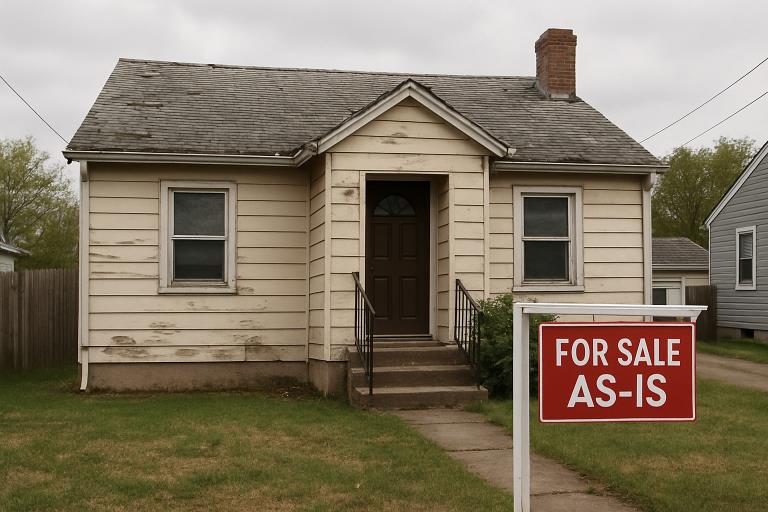
Key Takeaways
- Selling “as-is” means you are offering your home in its present condition, without promising to make repairs.
- Disclosure of known defects is still legally required to protect both you and the buyer.
- The property’s price should be adjusted to match its actual condition and market realities.
- Understanding local selling laws and real estate trends increases the odds of a successful sale.
Selling a home “as-is” can be an appealing option for homeowners who want a simpler, more straightforward transaction. This approach generally means the property is sold in its current condition, without the seller making repairs or upgrades beforehand. While this can save time, effort, and upfront costs, it also involves important considerations regarding pricing, buyer expectations, inspections, and disclosure requirements. Understanding how an as-is sale works helps homeowners make informed decisions and avoid surprises during the process.
Homeowners exploring this option often look for clear information on timelines, legal responsibilities, and how buyers typically evaluate as-is properties. Resources that explain alternative selling paths, such as https://www.northwestrealestatesolutions.com/sell-your-house-fast-in-oregon-city-or/, can provide context on how as-is sales are commonly handled. Gaining a balanced understanding of these factors allows sellers to weigh convenience against potential trade-offs and decide whether selling as-is aligns with their goals.
Understanding “As-Is” Sales
An “as-is” sale refers to listing a property in its current condition, without committing to repairs, renovations, or cosmetic improvements before closing. This approach clearly communicates to buyers that the home will be purchased exactly as it stands. As a result, it often appeals to investors, flippers, or buyers who focus more on long-term potential than immediate move-in readiness. In some cases, cash buyers such as Northwest Real Estate Solutions – Portland, OR may be familiar with this type of transaction, as as-is sales are commonly associated with faster decision-making and fewer repair negotiations. For homeowners, selling as-is can be practical when time, budget, or willingness to manage updates is limited. Still, it does not remove the responsibility to disclose known issues and provide accurate information about the property’s condition.
Legal Disclosure Requirements
No matter how a property is sold, sellers are required to inform buyers of any known defects or issues that could affect value or safety. For example, in many states, such as California, disclosure laws are strict. Homeowners must fill out documents such as the Transfer Disclosure Statement (TDS), noting details about the roof, plumbing, electrical systems, and any history of flooding or environmental issues. Neglecting full disclosure can expose a seller to lawsuits and hurt their reputation.
Pricing Strategies
Choosing the right price is critical when selling a house “as-is”. The asking price needs to account for the home’s current condition, visible and hidden issues, and the expected repair costs a buyer will face. Properties offered as-is should generally be priced below turnkey or newly renovated homes in the same area. Overpricing can drive away buyers, while underpricing can leave money on the table. A real estate professional can perform a comparative market analysis and recommend a fair starting point that encourages a quick sale yet reflects your home’s value.
Market Considerations
The feasibility and speed of an “as-is” sale depend greatly on local market conditions. In a seller’s market, where demand outstrips supply, buyers may be more open to investing in a home that needs work. In contrast, when there is excess inventory, buyers tend to demand deep discounts or bypass as-is opportunities in favor of move-in-ready homes.
Pros and Cons of Selling “As-Is”
Before listing a house as-is, weigh its primary advantages and disadvantages.
Pros
- Speed:Homes in as-is condition can sell faster, especially to cash buyers and investors.
- Lower Costs:Sellers do not have to invest in repairs, staging, or cosmetic updates.
Cons
- Lower Price:Buyers will expect significant discounts to offset repair and renovation costs.
- Smaller Buyer Pool:The property may appeal to fewer buyers, which can increase time on market, especially in slower markets.
Preparing for the Sale
Even in an as-is transaction, a few simple steps can make a property more appealing and help the sale process move smoothly:
- Clean Thoroughly:Basic cleaning and clutter removal can make even a fixer-upper feel inviting and well-cared for.
- Minor Fixes:Address easy fixes. Replacing broken doorknobs, patching holes in walls, or repairing leaky taps demonstrate pride of ownership.
- Stage Selectively:Arranging furniture or adding a few neutral accessories helps buyers visualize the property’s potential, making it easier to imagine living there.
Working with Real Estate Professionals
Collaborating with professionals experienced in “as-is” transactions is key. A seasoned real estate agent will know how to market your property, set expectations, and guide you through the necessary disclosures. Consulting with a real estate attorney may also be advisable, especially if your property faces legal or structural complications. Agents and attorneys can reduce stress, minimize costly errors, and help ensure transactions are conducted legally and ethically.
Conclusion
Selling a house “as-is” gives homeowners a practical solution to move on from a property they cannot or do not want to fix. With proper disclosures, strategic pricing, and an understanding of your market, you can achieve a satisfactory sale even on a tighter timeline. By staying open and prepared, you are well-positioned to attract serious buyers and close the deal with peace of mind.