A deep teeth cleaning, also known as scaling and root planing, is very different from a routine dental cleaning. It is recommended when plaque and bacteria have moved below the gumline and begun affecting the supporting structures of the teeth. This process is designed to halt the progression of periodontal disease, reduce inflammation, and promote reattachment of the periodontal ligament to the teeth. Many patients feel anxious when they hear the words “deep cleaning,” often imagining discomfort or lengthy procedures. In reality, the process is methodical, controlled, and focused on restoring balance in the mouth. Understanding what happens during a deep cleaning can remove much of the uncertainty. Knowing why it is needed, how it is performed, and what to expect afterward helps patients feel more prepared and confident about protecting their long-term oral health.
Understanding the Deep Cleaning Process
Why Scaling and Root Planing Is Recommended
Scaling and root planing are usually advised when signs of periodontal disease are present. This includes deeper gum pockets, persistent bleeding, swelling, or bone loss visible on X-rays. When bacteria collect below the gumline, routine brushing and standard cleanings are no longer effective. Hardened deposits adhere to tooth roots and create an environment in which bacteria continue to thrive. Scaling removes plaque and tartar from both above and below the gumline, whereas root planing smooths the root surfaces to make it harder for bacteria to reattach. This combination helps reduce inflammation and promotes gum healing. During evaluation, dentists may measure periodontal pocket depth to assess the extent of the condition. In many cases, our dental clinic provides clear explanations and imaging to help patients understand why deep cleaning is necessary and how it supports periodontal recovery rather than simply treating surface symptoms.
Preparation and Comfort Measures Before Treatment
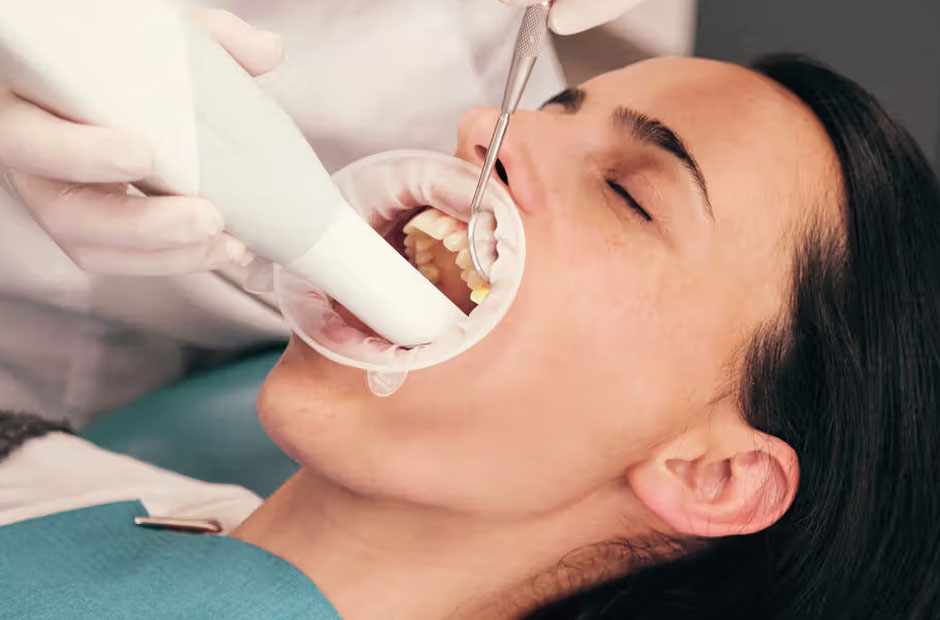
Before the procedure begins, the dental team focuses on comfort and clarity. The mouth is usually divided into sections, and treatment may be completed in one or more visits, depending on the severity of gum involvement. A local anesthetic is often used to numb the area being treated, thereby minimizing discomfort during scaling and root planing. Patients may feel pressure or vibratio,n but should not feel sharp pain. The dental professional will also review medical history, medications, and any sensitivity concerns. This preparation ensures the procedure proceeds smoothly and safely. Some patients are surprised by how calm the process feels once numbness takes effect. The goal is to remove harmful buildup thoroughly without rushing, allowing the gum tissue the best chance to heal afterward.
Precision Below the Gumline
Deep cleaning targets bacteria where brushing cannot reach. By carefully cleaning root surfaces and removing irritants, the procedure creates conditions that allow inflamed gum tissue to recover and reattach to the teeth.
What Happens During Scaling
Scaling is the first phase of the deep cleaning process. Using specialized oral surgery instruments, the dental professional removes plaque and tartar from the tooth surfaces and from below the gumline. This step is essential because tartar is rough and porous, thereby providing an ideal surface for bacterial attachment. Scaling may be performed using hand instruments, ultrasonic instruments, or both. Ultrasonic devices use gentle vibrations and water to break up hardened deposits while flushing bacteria away. Patients often hear a buzzing sound and feel water flow during this step. Scaling is thorough and systematic, ensuring that deposits are removed from areas that are inaccessible during routine cleaning. The time required for scaling depends on the extent of plaque buildup and the depth of the periodontal pockets.
What Happens During Root Planing
After scaling, root planing focuses on smoothing the root surfaces of the teeth. When roots are rough due to bacterial deposits or previous inflammation, gums have difficulty reattaching properly. Root planing removes these rough areas, creating a cleaner surface that promotes healing. This step helps the gum tissue fit more snugly against the tooth, reducing pocket depth over time. Patients may not notice a dramatic difference during this phase, but it plays a major role in long-term results. Root planing also reduces the likelihood that bacteria will quickly recolonize the area. By directly addressing the root surface, the procedure extends beyond symptom management and supports structural stability.
Aftercare and Healing Expectations
After a deep cleaning, some tenderness, mild swelling, or sensitivity is normal for a few days. Gums may feel sore, and teeth may be temporarily more sensitive to temperature. These reactions are part of the healing process as inflammation decreases and tissue begins to recover. Dentists often recommend gentle brushing, careful flossing, and, in some cases, antimicrobial rinses to support healing. Patients are usually encouraged to continue good oral hygiene rather than avoid the area. In some cases, follow-up visits are scheduled to monitor the periodontal response and ensure that pockets are improving. Healing occurs gradually, and many patients notice reduced bleeding and firmer gums within a few weeks.
Why Deep Cleaning Helps Long-Term Gum Health
Scaling and root planing is not a one-time cure but a foundational step in managing gum disease. By removing bacterial buildup and smoothing root surfaces, the procedure interrupts the cycle of inflammation and damage. When combined with consistent home care and regular professional monitoring, deep cleaning helps stabilize gum health and slow disease progression. For many patients, it prevents the need for more invasive treatments later. Maintaining results often requires more frequent initial cleanings, which may be adjusted as the gums respond positively. The success of deep cleaning depends on both the procedure itself and subsequent care.
A Reset for Gum Health
A deep teeth cleaning is a structured, purposeful process designed to address gum disease at its source. Through scaling and root planing, bacteria and hardened deposits are removed from areas that routine care cannot reach. While the procedure may sound intimidating, it is designed to prioritize comfort, precision, and healing. Understanding what happens during each phase helps patients feel informed and prepared. With proper aftercare and regular follow-up, deep cleaning can significantly improve gum health, reduce inflammation, and protect the long-term stability of the teeth.