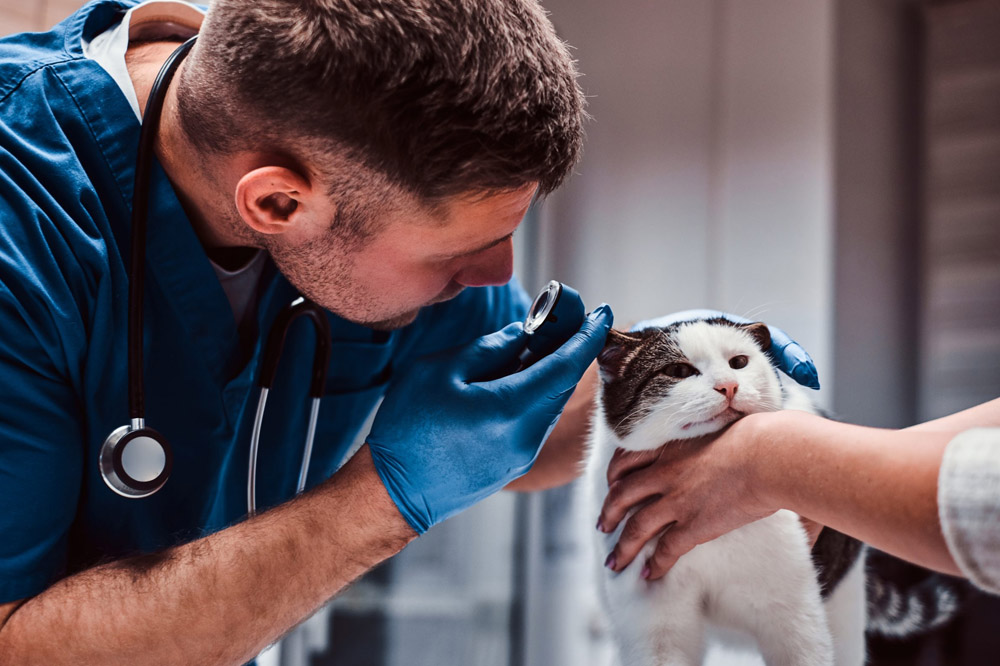
Recent veterinary graduates often face financial responsibilities that require careful planning. Disability insurance offers support if unexpected health issues affect their ability to work, allowing them to focus on developing clinical skills without financial worry. Here’s more information about the necessity of disability insurance for recently graduated veterinarians:
Early Career Protection
Veterinarian graduates just starting their careers have financial obligations that require income consistency. Disability insurance for recently graduated veterinarians is necessary, as a health-related incident can easily disrupt their developing financial base. Most graduates are dealing with education loans, licensing fees, and relocation expenses that persist even when they are temporarily disabled. Income protection helps make these commitments manageable without leading to a premature return to demanding clinical work.
Early clinical work often involves long, irregular hours and physically demanding tasks, requiring both stamina and preparedness. Disability insurance offers financial support during this transitional stage, helping graduates cover key expenses while recovering from unexpected health issues. This safety net allows them to focus on building their skills and advancing their careers without constant financial concern.
Future Earnings Security
Disability insurance helps protect long-term income when unexpected health problems interrupt training or early career development. Clinical and training environments often involve physically demanding rotations that expose participants to higher occupational risks, including injuries and illness. With this type of coverage, temporary disruptions in training are less likely to result in lasting financial setbacks. It also provides emotional reassurance, as young professionals can focus on learning and skill-building without constant worry about medical or accidental setbacks. By having reliable insurance in place, recent graduates are better positioned to enter self-employment with greater financial stability and the ability to focus on building their careers.
Practice Ownership Readiness
Many new veterinarians and recent graduates hope to own or co-own a clinical practice within a few years. Learning about disability coverage early helps them understand the financial and operational risks that come with practice ownership. Coverage for business expenses can be especially valuable, as it helps maintain costs during periods when the owner is unable to provide clinical services. Rent, payroll, utilities, and loan payments continue even if the practice temporarily cannot operate at full capacity.
Planning for these challenges in advance allows future practice owners to identify financial vulnerabilities before they become emergencies. Introducing disability protections early gives graduates the confidence to make informed business decisions and evaluate long-term entrepreneurial opportunities. For those planning to own property, understanding how insurance safeguards both personal and business finances is particularly beneficial. This foresight strengthens their ability to build and sustain successful veterinary practices throughout their careers.
Workplace Coverage Support
Employer-sponsored group disability insurance can provide stability for graduates joining established clinics. These benefits help new employees feel secure as they move from academic training into clinical practice, easing the transition to professional responsibilities. Group plans often come with lower premiums and simpler enrollment compared with individual policies, making it more likely that young veterinarians have access to regular income protection if health issues arise unexpectedly. Employers also benefit, as group coverage can improve staff retention by demonstrating that employees are valued and supported.
Informed Career Decisions
Some recent veterinary graduates begin their first jobs without fully understanding the role of disability insurance in their employment agreements. Professional consultation can clarify the details of a policy and identify the protections that are most relevant for someone at the start of their career. Advisors review benefit structures, exclusions, and financial safeguards, helping make sure that contracts include coverage that supports long-term career growth and financial stability.
With guidance, graduates understand that their policies reflect both personal needs and future professional responsibilities. Consultation also helps prevent situations where contracts fail to protect earning potential. Experienced advisors can translate complex terminology that might otherwise confuse those without coverage, giving new veterinarians a clearer understanding of their options. These insights empower graduates to engage in employment negotiations with greater awareness.
Get Disability Insurance for Recently Graduated Veterinarians
Disability insurance is a key element of financial readiness as new veterinarians enter full clinical practice. It provides income protection, supports employment stability, and assists with long-term career planning. Graduates learn how different types of coverage relate to personal and professional responsibilities, improving decision-making in the early stages of practice. Include disability insurance in your post-graduate planning today to get the coverage and help you need.