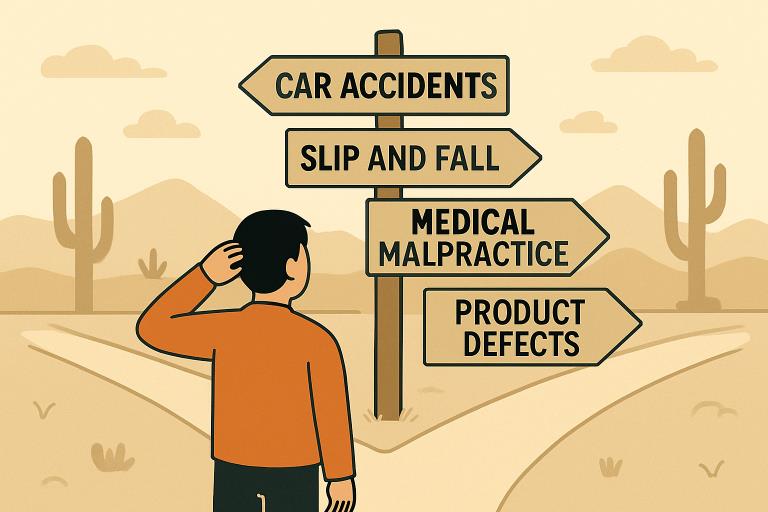
Personal injury law in Nevada covers the legal remedies available to individuals harmed through the negligence or intentional acts of others. Whether you are injured in a car crash, slip and fall, or because of a defective product, Nevada law is designed to ensure victims can seek justice for their losses. Through these statutes and court decisions, victims are empowered to hold wrongdoers accountable and pursue compensation for damages. For anyone facing the aftermath of an accident, partnering with an experienced firm like blakefriedmanlaw can provide crucial support and direction.
Understanding these legal basics is vital for protecting your rights. If someone else’s actions or oversights have led to your injury, having a solid grasp of Nevada’s personal injury system can make a significant difference in your ability to file a successful claim. Many find the legal landscape complex, as both insurance issues and nuanced laws can affect your case outcome. By starting with an informed perspective, you set the stage for a more effective recovery—both physically and financially.
Common Types of Personal Injury Cases
- Car Accidents:Nevada roads can be dangerous due to high traffic, impaired drivers, or distracted driving. Collisions often result in serious injuries requiring legal intervention.
- Slip and Fall Incidents:Injuries on another’s property—often in businesses or public spaces—can arise from things like wet floors, broken handrails, or poor lighting.
- Medical Malpractice:When a healthcare professional fails to meet the expected standard of care, patients can sustain significant harm. Proving this type of case typically requires expert testimony and detailed records.
- Product Liability:Faulty or dangerous products, from auto parts to electronics, may lead to injury. Consumer protection laws help ensure manufacturers and sellers are held accountable for defects.
According to the Nolo Legal Encyclopedia, these types of personal injury cases often shape Nevada’s judicial landscape, reflecting the many ways injuries can occur in everyday situations. Acting promptly can help protect your rights, and consulting a skilled attorney ensures that legal procedures are handled correctly while helping victims pursue the compensation they deserve.
Establishing Negligence in Nevada
Securing compensation in a Nevada personal injury case generally requires proving the defendant was negligent. This process consists of four key elements:
- Duty of Care:The defendant had a responsibility to act in a manner that would not cause harm to others. For example, all drivers must follow traffic laws to avoid endangering others.
- Breach of Duty:There must be evidence that the defendant failed to meet this responsibility—such as running a red light or failing to secure an unsafe area in a store.
- Causation:The plaintiff must demonstrate a direct link between the breach and their injury. Medical records, photographs, and witness statements are key here.
- Damages:Finally, victims must show they suffered actual losses, whether financial, physical, or emotional.
Statute of Limitations
Nevada law imposes a specific deadline known as the statute of limitations for filing most personal injury lawsuits. According to Investopedia, a statute of limitations sets the maximum time after an event within which legal proceedings may be initiated. In Nevada, victims generally have two years from the date of the injury to bring a claim. Missing this deadline can mean losing your chance to seek legal recourse, so it’s crucial to act quickly and consult an attorney early in the process. This strict timeline underscores the importance of documentation and timely decision-making after an accident.
Comparative Negligence Rule
Nevada applies a modified comparative negligence rule in personal injury cases, meaning a victim’s ability to recover damages depends in part on their percentage of fault. As long as you are less than 50% responsible for the accident, you may recover compensation—though your recovery will be reduced by your share of fault. However, if you are 50% or more at fault, you cannot collect any damages. This system ensures that responsibility is allocated fairly, but it can make legal arguments complex during settlement negotiations or court hearings.
Damages Available in Personal Injury Cases
Victims of personal injury in Nevada may be eligible for multiple forms of compensation:
- Economic Damages:These tangible losses include medical treatment costs, lost wages, rehabilitation expenses, and any out-of-pocket payments directly relating to the injury.
- Non-Economic Damages:Less quantifiable but equally significant, these encompass pain and suffering, emotional distress, loss of enjoyment of life, and lasting physical impairment.
Calculating appropriate damages is often central to negotiations—having detailed evidence and professional assessments can bolster your case.
Steps to Take After an Injury
- Seek Medical Attention:Your health must take priority. Immediate medical evaluation both safeguards your well-being and creates crucial documentation for your case.
- Document the Incident:Collect as much evidence as possible—photos of the scene, your injuries, statements from witnesses, and a copy of the police or incident report. Organization here strengthens your claim.
- Consult an Attorney:Professional legal guidance can make a critical difference. An experienced lawyer can evaluate your situation, explain your legal options, and communicate with insurers or at-fault parties on your behalf.
Conclusion
Understanding the fundamentals of Nevada personal injury law is essential if you or a loved one has been harmed due to another’s actions. A thorough grasp of legal processes—combined with professional guidance—empowers you to pursue justice and financial recovery on solid ground.