Efficiency in the manufacturing industry is characterized by smooth communication between machines. Network failures or slower data transfer can slow down production, leading to expensive downtimes.
Extreme temperatures, moisture, vibration, and dust are harsh factory conditions that make it difficult to maintain a stable connection. Most traditional networking devices usually do not withstand such burdens and put operations at risk of inefficiency, errors, and delays in production.
In the meantime, automated systems depend on real-time information provided by sensors, machines, and controllers in order to be precise. The lack of good networks can negatively affect performance and safety in their operations.
A good solution to these challenges is through industrial switches. They are built to withstand severe industrial conditions, provide reliable and high-speed communication, and endure harsh conditions, and data flow between machines and control systems.
High-end networking systems developed to handle industrial conditions guarantee a constant flow of data, accurate regulation, and communication.
This article discusses industrial switches and their importance in enhancing reliability in manufacturing, supporting automation, and facilitating high-speed communication within industrial networks.
1. Network Stability and Resilience
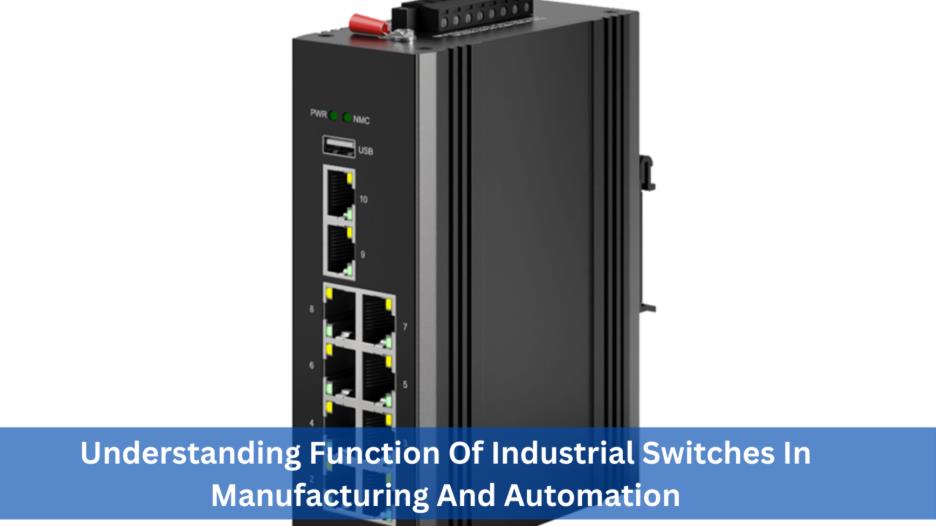
Industrial switches provide reliable connectivity in severe industries. They are designed to survive in high temperatures, moisture, and dust, and also withstand vibrations, hence they still communicate even in extreme conditions.
They offer redundancy, an attribute that is not available in normal switches, which means that when one switch fails, another will automatically take up the slack, avoiding expensive downtime.
These switches handle large amounts of sensor, camera, and controller data easily and keep device traffic flowing.
Switching to industrial-grade switches minimizes the maintenance requirement and ensures a high level of network performance. These switches have become a necessity in modern industrial networks, ensuring uninterrupted production and increased operational reliability.
2. High-Speed Data Transfer for Automation
Industrial switches facilitate fast transfer of information among machines, sensors, and control systems, which helps in accurate automated operations. Lower network latency means that the command and feedback are delivered to the devices in a timely manner, covering the key aspects of robotic assembly, quality test, and real-time monitoring.
When factories implement the use of IoT sensors and smart devices, the size of data grows exponentially. Industrial switches are efficient in terms of network traffic without slowing down.
Predictive maintenance, early fault detection, and timely troubleshooting are supported by continuous, high-speed data transfer. Video surveillance and production monitoring are dependent on continuous data streams.
Rapid and dependable networks help manufacturers operate more smoothly, produce more products, and maintain the quality of their goods. Industrial switches are essential in the contemporary production setup.
3. Flexible Network Expansion
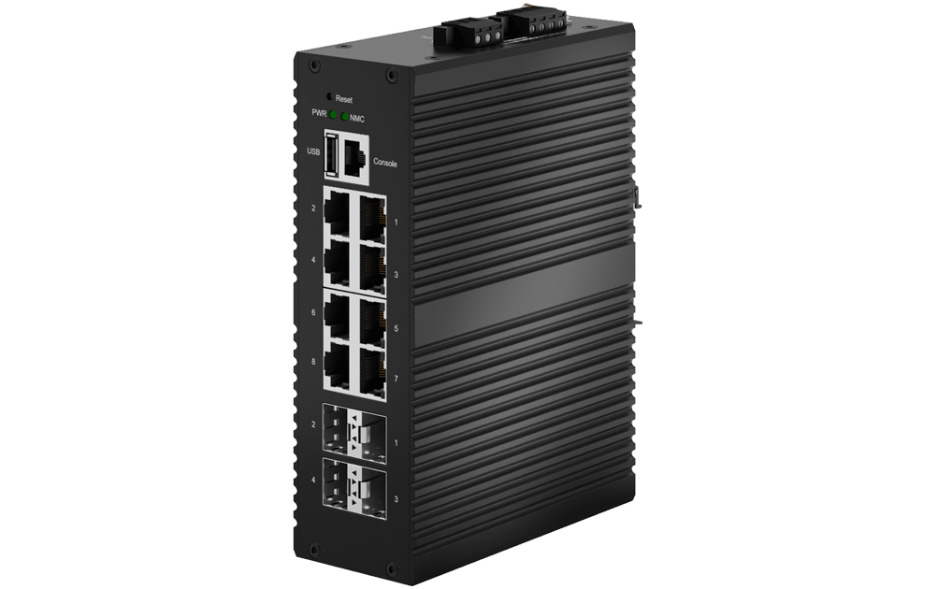
The growing industrial activities require networks that can be extended without impacting the existing infrastructure. Industrial switches can be easily used to integrate new machines, sensors, and controllers.
The use of flexible port configurations, PoE, and stacking features makes expansion easier since you can add more devices without the need to reconfigure networks. Growth is streamlined, and time wastage is avoided.
These switches can serve several lines at a time, making them highly performant and capable of growing. Advanced monitoring systems or automation tools can be installed in factories without disrupting the current operations.
High-quality connectivity guarantees that all devices are able to communicate, maintaining production lines in contact. Industrial switches enable manufacturers to save on future-proof networks, which provide flexibility and capacity, enabling the network to adapt to changing technologies without disruption or downtime.
4. Automation Support for Operational Efficiency
Automated processes entail automatic communication between devices. Industrial switches serve the purpose of linking the robotic arms, PLCs, and control computers to enable the accurate accomplishment of production operations.
Data flow in real-time minimizes errors, enhances consistency, and provides timely responses from the machine. Properties such as VLAN segmentation and priority routing enable the transmission of important data immediately to devices.
Automated monitoring assists in identifying the problems that may lead to downtime. Precise switches ensure that things run smoothly in the various production lines, increasing efficiency.
Supporting continuous communication and process coordination allows factories to maximize automation benefits, maintain product quality, and reduce operational disruptions. Industrial switches ensure manufacturing lines remain high-performing and consistent.
5. Security and Data Protection
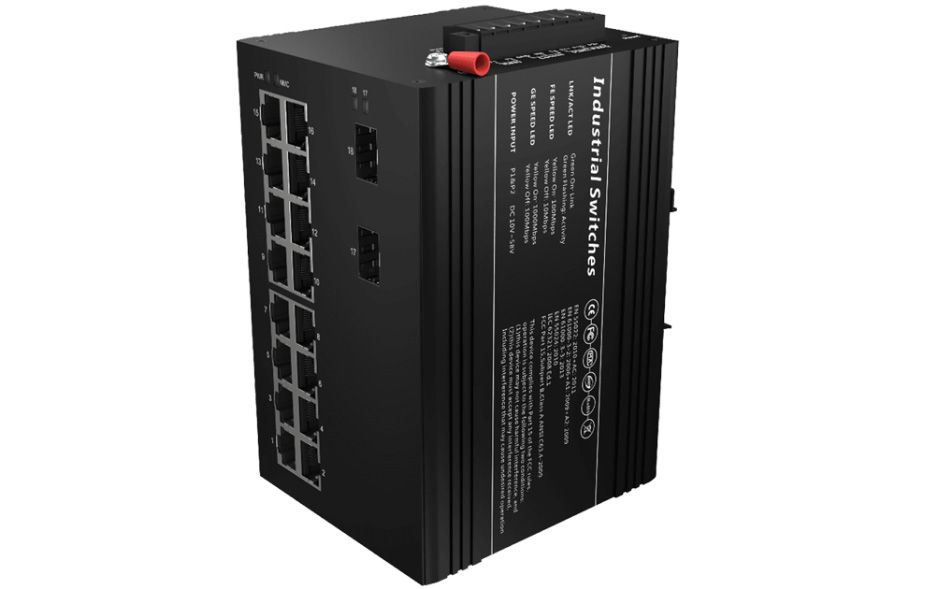
Industrial switches protect sensitive operational data with access controls, network segmentation, and monitoring systems. Unauthorized access is prevented, keeping critical information from machinery and controllers secure.
Redundant network paths maintain data flow even if a device fails, reducing the risk of downtime. Continuous monitoring allows teams to detect anomalies quickly, respond proactively, and maintain network integrity.
Strong security prevents cyberattacks and data breaches that could disrupt production. Combining reliability with protective features, industrial switches allow manufacturing operations to function safely and without interruptions.
They safeguard both operational processes and intellectual property, making secure networks a vital part of modern industrial environments.
6. Simplified Maintenance and Cost Reduction
Durable industrial switches operate reliably under extreme conditions, reducing maintenance needs. Resistant to high temperatures, moisture, and vibration, they minimize downtime and extend equipment lifespan.
Easy installation and configuration allow teams to monitor, troubleshoot, and manage networks efficiently. Reduced maintenance lowers operational costs while keeping production uninterrupted.
Industrial switches integrate smoothly into existing infrastructure, supporting additional devices and automation upgrades without disruption. Investing in durable switches ensures consistent performance, smooth network management, and efficient operations.
By lowering maintenance efforts and long-term costs, industrial switches provide manufacturers with dependable, cost-effective solutions for high-performing production environments.
Conclusion
Industrial switches act as the backbone of modern manufacturing and automation, delivering stability, speed, flexibility, security, and efficiency. They enable continuous communication, fast data flow, seamless expansion, smooth automation, secure operations, and low maintenance, supporting uninterrupted production.
Reliable networks ensure factories operate efficiently, maintain quality, and respond quickly to operational changes. Integrating these switches enhances performance, protects sensitive data, and prepares operations for future technological growth.
Industrial switches provide a foundation for smart, efficient, and resilient manufacturing, helping businesses meet productivity goals while reducing downtime and operational risks.