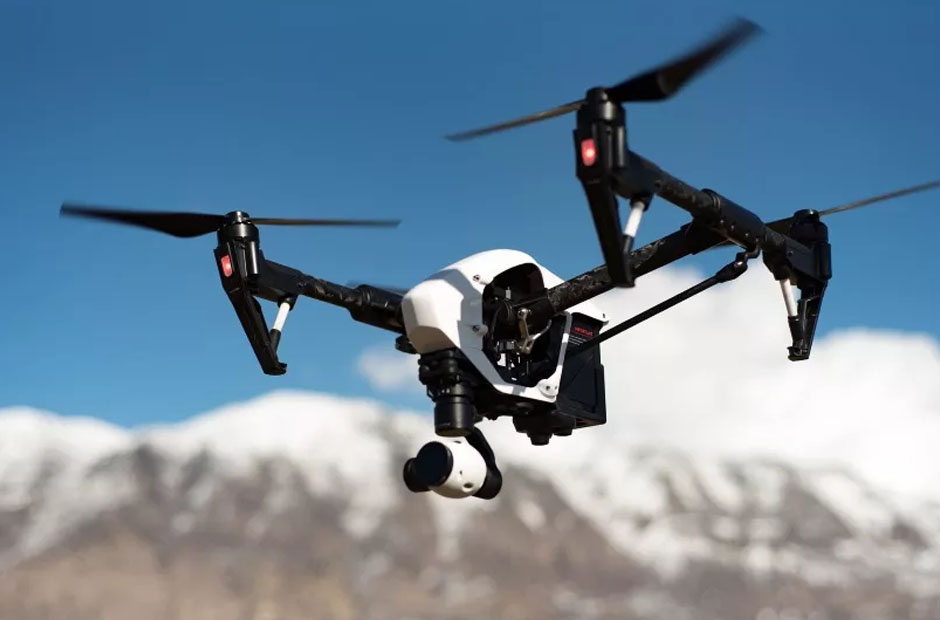
A small drone can cross a restricted boundary in seconds. What looks harmless from a distance can quickly turn into a serious security issue for airports, stadiums, data centers, and public events. As drone ownership increases, organizations have realized that traditional perimeter security no longer covers the sky.
That realization has led many teams to explore advanced anti-drone solutions designed to detect, track, and respond to unauthorized aircraft. Modern systems combine multiple tools into one coordinated defense plan. Below is a clear look at the primary technologies organizations use to stop rogue drone activity and protect sensitive spaces.
Radar Systems for Early Detection
Radar remains one of the most reliable ways to detect aerial movement. These systems scan the surrounding airspace and identify objects based on motion, distance, and size. Unlike manual observation, radar can operate in low visibility and across large areas.
Wide Perimeter Monitoring
High-performance radar units monitor broad zones around facilities. When an unknown object enters the space, the system sends an immediate alert to security personnel.
Object Differentiation
Advanced radar platforms analyze flight patterns. This helps distinguish drones from birds or other airborne objects, which reduces false alarms and improves response accuracy.
Radio Frequency Monitoring Tools
Most consumer drones rely on radio signals to connect with their operators. Radio frequency monitoring tools detect those signals and identify communication patterns. This method adds another layer of awareness beyond visual confirmation.
Signal Detection
RF sensors continuously scan common drone control frequencies. When a signal appears within range, the system flags it for review.
Operator Identification
Some systems estimate the location of the drone pilot based on signal strength and direction. This information supports coordinated action by on-site security or law enforcement teams.
Optical and Thermal Camera Systems
Visual tracking confirms detection. Optical cameras deliver detailed daytime images, while thermal cameras identify heat signatures during nighttime conditions. Together, they create reliable round-the-clock monitoring.
Security teams can zoom in to assess drone type, movement, and potential payload. Camera systems also help confirm when a drone leaves restricted airspace. Many anti-drone systems integrate camera feeds with radar and RF data to create a unified control view.
Electronic Countermeasure Technologies
Detection tools identify threats, but response tools address them. Electronic countermeasure devices interfere with communication between the drone and its operator. These systems require strict regulatory compliance and authorized use.
Common technologies include:
- Signal disruption units that interrupt control links
- GPS interference tools that alter navigation signals
- Directional systems that target a specific drone path
Proper planning ensures these tools do not disrupt surrounding communications or lawful air traffic.
Unified Command and Control Platforms
Modern security strategies rely on integrated systems rather than standalone devices. Unified command platforms combine radar, RF monitoring, and camera data into one interface. This structure reduces confusion during active incidents.
When alerts appear, operators can review flight history, signal strength, and live visuals in seconds. Clear workflows improve coordination and response time. Effective anti-drone solutions depend on how well detection, tracking, and response tools work together.
Rogue drone activity presents complex challenges for critical infrastructure and public gatherings. Radar systems, RF monitoring, camera technologies, and electronic countermeasures each serve a defined role within a layered defense approach. Organizations that combine these tools into one coordinated strategy create stronger protection for their airspace. A thoughtful plan, supported by reliable anti-drone systems, helps security teams respond confidently and maintain safe environments.