The Heat Is On: Why Early Detection Matters
When the afternoon sun drapes across your living room and the air shimmers outside, your AC becomes more than a machine—it’s the quiet heartbeat of home. In places with warm, dry summers—think Kalispell and much of Montana—cooling systems run long hours and under real stress. Little quirks that seem harmless at the start of June can become full-blown breakdowns by July’s peak.
A quick tune-up or a compressor funeral depends on early detection. A new rattling, a warmer-than-usual breeze, or fog-like humidity are clues. Reading them correctly will save you money, protect your gear, and prevent heatstroke.
When Professional Help Beats DIY
There’s a lane for DIY—changing filters, rinsing debris off the outdoor coil, clearing a clogged drain line. And then there’s everything else. Air conditioners are a balancing act of refrigerant pressures, tight electrical tolerances, and airflow physics. If your system takes longer to cool, blows warm air, short cycles, leaks, or throws new sounds/odors, you’re past the YouTube-fix stage.
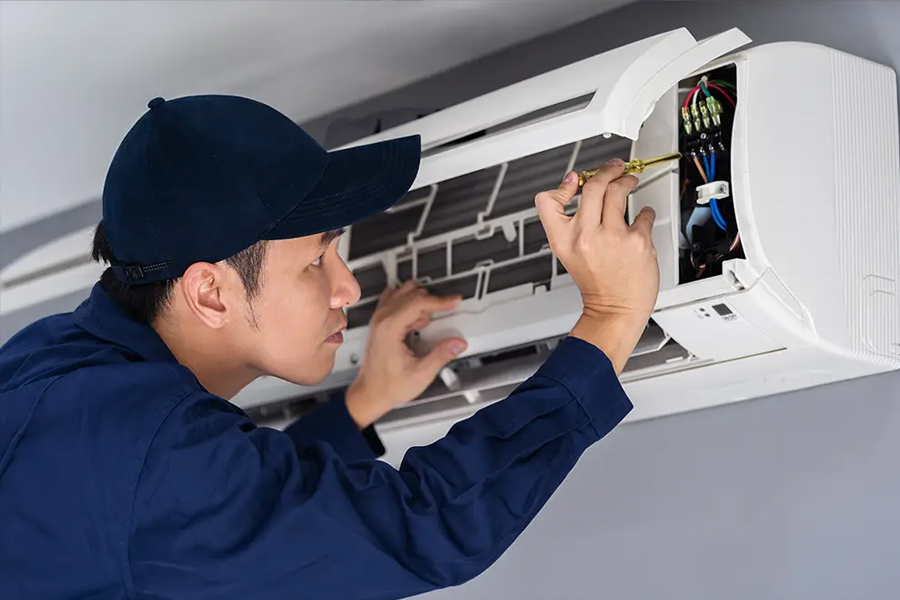
A licensed HVAC technician can test refrigerant levels, measure static pressure in ducts, inspect electrical components under load, and spot failures long before they cascade. In high-demand climates, this isn’t overkill; it’s how you keep comfortable without lighting money on fire.
Weak or Warm Air: The Most Telltale Symptom
You set the thermostat, you expect a confident ribbon of cold. If the airflow is timid or the air’s tepid, something’s off. Clogged filters are the usual suspect, but kinked or leaking ducts, a struggling blower motor, frozen evaporator coils, or a failing compressor can all sit in the lineup.
Do not persist with extended runtimes and hope. Reduced airflow increases energy use, lowers comfort, and can freeze coils or overheat compressors, which are costly. Try replacing the filter, then hire a pro to map the airflow and examine the refrigeration circuit.
Noises and Odors That Spell Trouble
Your AC should be more whisper than headline. Grinding can mean worn motor bearings; rattling often hints at loose panels or debris; a sharp buzz might point to an electrical problem or a failing capacitor. Any new sound that repeats is a clue worth investigating.
Also, smells tell stories. Musty smells indicate microbial development in coils or ducts, sour gym socks indicate stagnant condensate, and burning denotes electrical overheating. Turn off the system and call a technician for electrical or chemical odours. Ignoring “odd noise” problems rarely keeps them cheap.
Rapid Cycling and Rooms That Won’t Match Temperatures
Short cycling—when your system starts and stops in quick bursts—torches efficiency and beats up compressors. It can be caused by a miscalibrated or poorly placed thermostat, dirty coils, low refrigerant, or a system that’s oversized for the home. Left alone, it’s hard on every component.
Cool den, sticky bedroom, persistent hot patch above garage—uneven cooling speaks differently. Airflow—duct leaks, uneven dampers, insufficient return air pathways, or insulation gaps—is often the problem. A technician can assess static pressure, seal leaks, adjust dampers, and change your thermostat to make each room comfortable.
Moisture, Leaks, and That Sticky Feeling Indoors
Water where it doesn’t belong is never just water. Puddles near the air handler often mean a clogged condensate drain or a cracked pan. Ice on the refrigerant lines suggests airflow restrictions or low refrigerant. Either way, action beats mopping.
If your home feels clammy even when the temperature reads right, your AC isn’t removing enough moisture. Dirty coils, low refrigerant, short cycling, or an oversized system can cause humidity to hover. A professional can clear blockages, check charges and superheat/subcool, and restore the latent cooling that makes air feel crisp rather than muggy.
Bills Creeping Up? Your Efficiency Is Slipping
When the energy bill climbs but your habits haven’t changed, your AC is telling you it’s working too hard for the same result. Dust-choked filters, matted outdoor coils, failing capacitors, duct leaks, and tired fan motors all drag efficiency down.
A tune-up can claw back a surprising amount of performance. Cleaning the coils, tightening connections, testing capacitors, checking the blower wheel, and verifying airflow can turn an energy hog back into a quiet achiever. The earlier you tackle inefficiency, the less you pay for it every month.
Maintenance That Keeps You Cool Under Pressure
Preventive maintenance isn’t glamorous, but it’s budget magic. An annual visit—ideally before summer—lets a tech verify refrigerant levels, clean coils, flush the condensate line, lubricate moving parts, and test safety controls. They’ll catch loose wires before they arc and clogged drains before they flood drywall.
Think of it as a tune for an orchestra: if one instrument’s off, the rest can’t hide it. Tighten, clean, calibrate—and the whole system performs better. In climates with heavy summer loads, biannual checks (spring and fall) can be worth the peace of mind.
Picking an HVAC Pro Who Shows Up and Shows Their Work
Good HVAC pros are part detective, part craftsperson. Look for licensed, insured technicians with strong local reviews and clear, itemized estimates. Certifications and ongoing training suggest they’re keeping up with newer systems, inverter tech, and evolving refrigerants.
Great techs take images, explain what they find, and offer repair, monitoring, or replacement choices. Local tradesmen who understand regional climates—from dry heat and wildfire smoke—can customise solutions for your home and summers. Transparent price and workmanship assurances are good signs.
Climate Notes for Places Like Kalispell
Mountain and valley weather means cool evenings and warm days, with ACs working hard at dinner and idling at dawn. Change filters more often during smoke outbreaks because dust, pollen, and wildfire smoke load them quickly. Wide day-night swings stress thermostats and seals, making annual checkups worthwhile when the season settles.
FAQ
How often should I change my AC filter?
Every 1–3 months during cooling season, and monthly during heavy pollen or smoke, keeps airflow healthy and parts protected.
Is it safe to run my AC if it’s making a new noise?
If the noise is grinding, screeching, or electrical-sounding, turn it off and call a pro to prevent bigger damage.
What causes short cycling?
Common culprits include low refrigerant, dirty coils, poor thermostat placement, or an oversized system.
Why is one room always hotter than the others?
Duct leaks, poor return air, closed or imbalanced dampers, or weak insulation often starve that room of airflow.
Do I really need annual maintenance?
Yes—one visit a year catches small issues early, restores efficiency, and extends the life of expensive components.
My AC is running but the air feels humid—why?
If humidity stays high, your system may be short cycling, low on refrigerant, or suffering from dirty coils or oversized capacity.
What should I do if I smell something burning?
Shut the system off immediately and schedule service; electrical issues can escalate quickly.
How long should an AC unit last?
With proper maintenance, most central ACs run 12–15 years; harsh climates and neglected care can cut that short.
Can I clean my outdoor unit myself?
You can gently hose off debris from the coil fins, but avoid high pressure and let a pro handle deeper cleaning and checks.
When should I consider replacing instead of repairing?
If the unit is older than 12 years, uses costly repairs, or struggles with efficiency, a modern, right-sized system may pay for itself.