Why Aluminum Needs a Timeout for Heat
Aluminum is a marvel for architecture—slim, strong, and beautifully precise—but it’s also a superb heat conductor. Left unmodified, an aluminum frame acts like a metal highway for heat to rush in and out, encouraging wintertime chill, summertime heat gain, and those dreaded beads of condensation on the interior surface.
Enter the thermal break: a slice of low-conductivity material that separates the indoor and outdoor parts of the frame. That “gap” disrupts heat flow and turns a thermally unruly frame into something far more comfortable and efficient.
What’s Inside the Break (Materials and Methods)
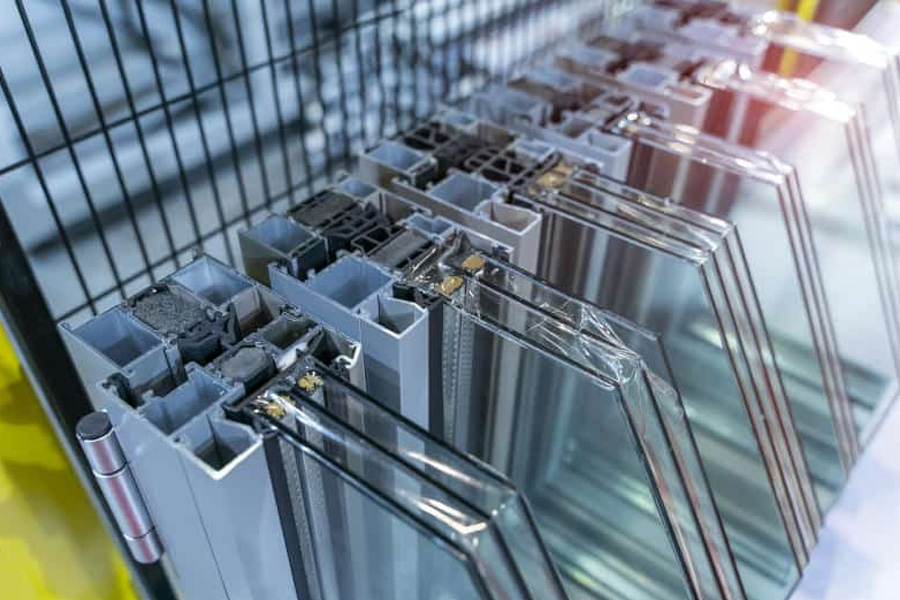
Most high-quality systems rely on fiberglass-reinforced polyamide strips that are robust enough to carry loads while dialing down conductivity by orders of magnitude. Others use poured-in-place polyurethane that’s later “debridged,” splitting the aluminum profile into two halves connected only by the insulating core.
Two popular manufacturing approaches:
- Crimped/rolled strip systems: Polyamide strips slide into the aluminum profiles, then get mechanically locked in. It’s fast, strong, and widely used.
- Poured-and-debridged: Liquid polyurethane fills a channel in a one-piece extrusion; once cured, the outer aluminum is machined away to isolate the two halves. It enables very slim sightlines but is more labor-intensive.
Wider breaks (think 25–40 mm) outperform narrow ones, but they add cost and a bit of profile width. The trick is balancing thermal resistance, structural demands, and the lean look designers love.
How the Numbers Shake Out
A bare aluminum frame is thermally leaky, with frame U-factors often in the ballpark of 5–7 W/m²K. Add a modest thermal break and you’ll typically land around 2.5–3.5 W/m²K. Step up to wider breaks—roughly 25–35 mm—and 1.2–2.5 W/m²K is common, depending on geometry and system.
For context, good vinyl or wood frames can hover around 1.0–1.8 W/m²K. So yes, a thermally broken aluminum frame can be very good—but it usually won’t be the absolute champ on raw insulation alone. The reason you pick aluminum is almost always about slender structure and aesthetics without compromising comfort.
Glass Drives the Story
Whole-window performance (Uw) is a duet between frame and glass. A typical window is more glass than frame by area, so glazing choices dominate:
- Thermally broken aluminum + quality double-pane low-E: often around 1.6–2.0 W/m²K.
- Thermally broken aluminum + high-end triple-pane: roughly 1.0–1.4 W/m²K, sometimes better with careful detailing.
- Best-in-class vinyl + triple-pane can push below 1.1 W/m²K.
In other words, aluminum can get impressively close—especially with triple-pane and warm-edge spacers—but vinyl still tends to win the absolute efficiency race for the dollar.
Condensation and Comfort
Indoor humidity and surface temperatures cause condensation. Cold snaps can lower internal frame temperatures below dew point in narrow thermal gaps, causing perspiration or frost in harsh conditions. Widening the break, using good glass, warm-edge spacers, and humidity management greatly improves results.
A quick rule of thumb: the bigger the break and the better the glazing, the higher the interior-surface temperatures—and the drier (and more comfortable) your mornings.
Cost, Value, and Where the Money Goes
Thermally damaged aluminium windows cost 30–50% more than vinyl. The upcharge buys structure, sleekness, and longevity, not the lowest U-factor. Because aluminium assemblies and hardware are heavier and bulkier, especially on panoramic doors and tall fixed lights, expect increased installation expenses.
Where Aluminum Shines
- Big openings, minimal frame: Floor-to-ceiling glass, lift-and-slide doors over 3 meters wide, and tall, slender mullions that stay stiff under load.
- Tough environments: High-rises with significant wind pressure, coastal projects, and places with hard sun and big thermal swings.
- Clean, modern lines: Sharper edges, ultra-slim sightlines, and impeccable color consistency through anodized or powder-coated finishes.
- Long life and recyclability: Aluminum can be recycled indefinitely with minimal performance loss, and the frames can easily last decades with modest care.
Where It Falls Short
- Absolute thermal performance: Even with generous breaks, aluminum rarely matches the best vinyl/wood packages on insulation per dollar.
- Budget sensitivity: Hardware, finishes, and fabrication can push total project costs upward.
- Thermal movement: Dark finishes under intense sun can expand noticeably; design detailing must accommodate movement.
- Condensation risk with narrow breaks: In cold climates, skimpy breaks and basic glass can still lead to wet frames.
Passive House and Ultra–Low-Energy Targets
Hitting ultra-low U-values with aluminum is possible but specialized. You’re looking at very wide thermal breaks, high-performance triple glazing, warm-edge spacers, and razor-sharp installation detailing to tame linear thermal bridges. It can pass stringent targets, but expect a premium—and a manufacturer that knows this space inside out.
Choosing the Right Material for the Job
- Go aluminum when you need serious spans, dead-straight lines, narrow sightlines, or durability in punishing conditions. It’s the architect’s friend for big views and commercial-grade performance brought home.
- Go vinyl when energy efficiency per dollar is the priority, spans are modest, and you want a strong thermal performer without the price delta.
- Go wood (or wood-clad) when you want a warm interior feel, exceptional insulation, and a nod to traditional profiles—especially in very cold climates.
Longevity and Care
Quality aluminium frames with durable thermal breakers last 30–50 years. Simple maintenance: wash with mild soap, clear weeps, and oil moving parts annually. Anodising lasts longer than paint in severe sun, and top-tier powder coatings are colour stable.
Installation and Detailing Essentials
Performance lives and dies at the edges. Plan for movement joints, correct glazing clearances, and flexible sealants that won’t shear as frames expand and contract. Thermal breaks don’t help if your sill is a thermal bridge, so use insulated shims, align the window within the wall’s insulation layer, and pay attention to airtight tapes and backer rods at perimeters.
Acoustic and Security Considerations
Aluminum excels at holding heavy glass, which is great news for acoustics and security. Laminated or asymmetrical glazing can deliver serious noise reduction in urban sites, while robust frames accommodate upgraded locks, multi-point hardware, and impact-rated glass where required.
Sustainability Notes
Recycled aluminum content is common, and end-of-life recovery is straightforward compared to mixed-material assemblies. While thermal breaks must be separated to recycle, the energy savings from re-melting aluminum are dramatic, making it one of the more circular building metals in use.
FAQ
Are thermally broken aluminum windows worth it?
Yes if you value slim profiles, large spans, and durability; they improve comfort dramatically over non-broken aluminum while preserving that clean, modern look.
Will they still get condensation in winter?
They can if the break is narrow or humidity is high, but wider breaks, better glazing, and good interior humidity control significantly reduce the risk.
Can aluminum frames meet Passive House levels?
It’s possible with very wide breaks, top-tier triple glazing, warm-edge spacers, and meticulous installation—but expect a premium product and price.
How do they compare to vinyl on energy performance?
Vinyl usually wins on pure insulation and cost-effectiveness, while aluminum trades a bit of thermal edge for structural finesse and slimmer frames.
Are they a good choice near the coast?
Yes, provided you choose quality finishes and drainage details; aluminum handles salt, UV, and wind better than most alternatives.
How long do thermally broken aluminum windows last?
Decades—often 30–50 years for the frame—with routine cleaning and hardware lubrication.
Do darker frames cause problems?
Dark finishes absorb more heat and expand more in sun, so your installer must allow for movement with the right clearances and sealants.
Can I get triple-pane glass with slim aluminum frames?
Yes, and it’s a sweet spot—aluminum supports heavy units without bulky profiles, especially in high-end systems.
Is poured-and-debridged better than strip systems?
Neither is universally “better”; poured-and-debridged can achieve slimmer lines, while strip systems are widely proven, efficient, and robust.
What maintenance do they need?
Keep them clean, clear the weep holes, and lubricate hinges and rollers annually to keep everything sliding and sealing like new.