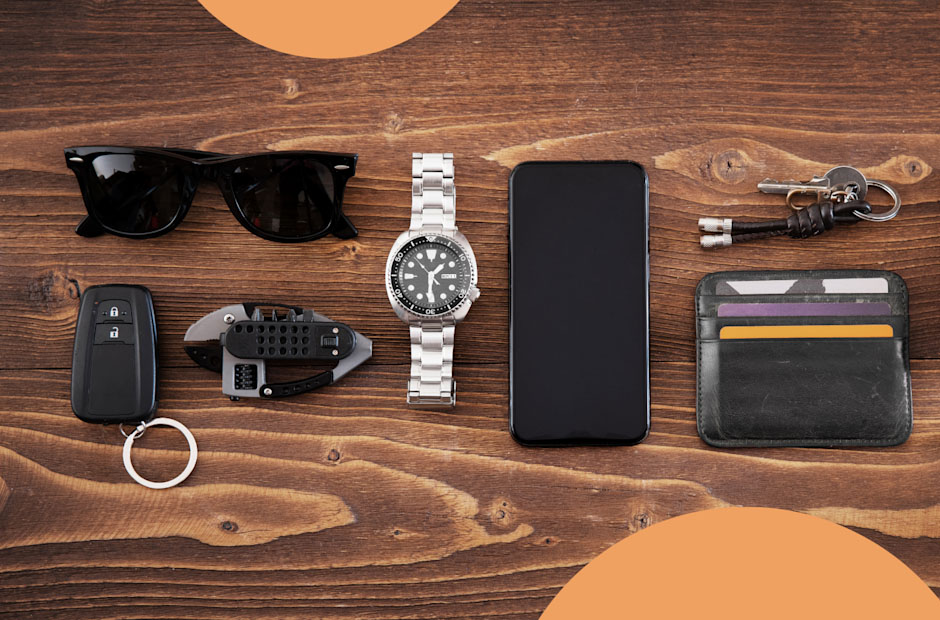
Modern life rarely offers clean breaks. Instead of long vacations or uninterrupted downtime, most people carve out brief pauses between meetings, errands, and notifications. These small moments, five minutes here, ten minutes there, have become essential for mental reset. At the same time, technology has quietly adapted to this reality. Devices are getting smaller, simpler, and more personal, designed to fit seamlessly into daily routines rather than dominate them.
This shift has given rise to what many now experience as micro-escapes: short, intentional moments of disengagement that help restore focus and balance. From wearables to pocket-sized gadgets, lifestyle tech is evolving to meet the emotional rhythms of modern living.
Why Downtime Is Getting Shorter but More Intentional
Work schedules, social commitments, and digital communication blur the boundaries between personal and professional time. For many, extended breaks are rare, but the need for mental relief remains constant. As a result, people are learning to value brief pauses that provide psychological distance without requiring a complete disconnect.
These moments tend to be intentional rather than accidental. A short walk, a few minutes of music, or a quiet ritual between tasks can offer a sense of control in otherwise fast-moving days. Technology plays a role here, not by demanding attention, but by supporting these small windows of calm.
The Evolution of Lifestyle Tech: Smaller, Quieter, More Personal
Early consumer technology often emphasized power and visibility. Bigger screens, louder alerts, and feature-heavy devices signaled progress. Today, priorities have shifted. Many users now favor tools that are discreet, portable, and easy to integrate into existing habits.
This evolution reflects a broader design philosophy. Instead of asking users to adapt to technology, newer devices adapt to users. They fit into pockets, require minimal setup, and perform a single function well. The goal is not constant engagement, but reliable presence when needed.
Pocket-Sized Devices and the Psychology of Control
Small devices offer more than convenience. They provide a sense of agency. When a tool is easy to carry and simple to use, it becomes part of a personal routine rather than an obligation. This can be especially appealing in environments where time feels fragmented and unpredictable.
Psychologically, micro-escapes work because they are self-directed. The user chooses when and how to step away, even briefly. Pocket-sized technology supports this autonomy, offering access without intrusion and familiarity without complexity.
How Personal Rituals Are Shaping Tech Adoption
Rituals rather than specifications increasingly influence lifestyle technology adoption. People gravitate toward devices that align with their habits, something used during a commute, between tasks, or at the end of the day. These rituals add structure to time that might otherwise feel scattered.
For some, this includes objects associated with relaxation or transition. Whether it’s a wearable that tracks breathing, wireless earbuds for music, or portable vape designs that emphasize simplicity, the appeal lies in consistency and ease rather than novelty. The device becomes a cue for a mental shift, reinforcing the boundary between one moment and the next.
Design Trends Reflecting the Micro-Escape Mindset
Design plays a critical role in how these devices are perceived and used. Minimalist aesthetics, neutral colors, and tactile materials all contribute to a sense of calm. Overly complex interfaces or aggressive branding can undermine the very experience users seek.
Manufacturers are responding by stripping products down to their essentials. Fewer buttons, clearer indicators, and intuitive operation reduce cognitive load. This allows the user to focus on the experience itself, rather than managing the technology behind it.
Convenience Without Constant Connectivity
Another defining feature of pocket-sized lifestyle tech is selective connectivity. Not every device needs to be online at all times. In fact, constant connectivity can feel counterproductive when the goal is mental respite.
Many modern tools function independently or require minimal interaction with apps and notifications. This design choice respects the user’s attention, offering functionality without pulling them deeper into digital ecosystems. In the context of micro-escapes, less connectivity often means more value.
The Role of Portability in Modern Habits
Portability has become a baseline expectation rather than a luxury. Devices that are easy to carry are more likely to be used consistently, reinforcing their role in daily routines. This consistency is what transforms a gadget into a habit-supporting tool.
Portability also supports flexibility. Whether someone is moving between meetings, running errands, or commuting, pocket-sized tech adapts to changing environments. This adaptability is central to the micro-escape concept, allowing moments of pause to happen wherever they are needed.
What the Future of Micro-Escapes May Look Like
As design philosophies continue to evolve, lifestyle tech is likely to become even more discreet and purpose-driven. We may see further specialization, with devices built around single moments or functions rather than broad feature sets.
The success of these tools will depend less on innovation for its own sake and more on emotional relevance. Products that understand how people actually live, how they pause, reset, and move between roles, will shape the next phase of personal technology.
Finding Balance in a Fragmented Day
Micro-escapes are not about avoiding responsibility or productivity. They are about sustaining energy and clarity across long, demanding days. Pocket-sized tech, when thoughtfully designed, supports this balance by fitting into life without overwhelming it.
As people continue to navigate fast-paced routines, the appeal of small, intentional moments will only grow. In that space, lifestyle technology will remain most effective when it stays quiet, personal, and easy to live with, present when needed, invisible when not.