Key Takeaways
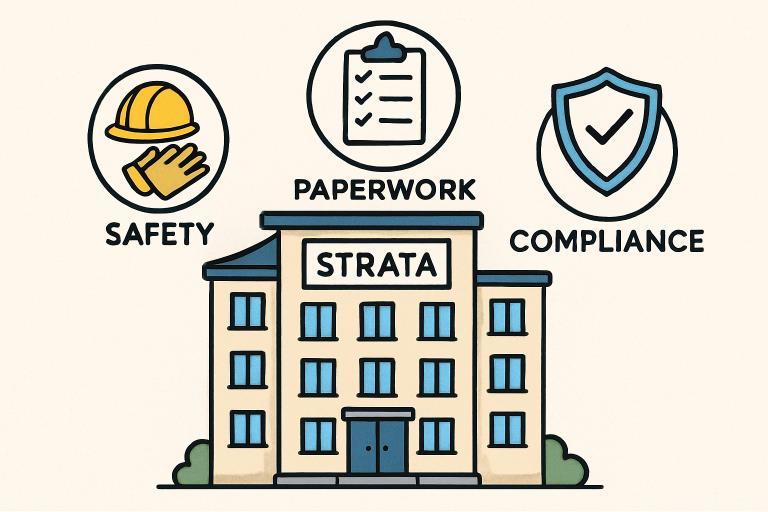
- Compliance and safety are central to all strata repair work, extending far beyond basic maintenance.
- Adhering to building codes, WHS laws, and strata regulations protects residents, property value, and owners’ corporations.
- Proactive risk identification and thorough documentation are crucial for preventing hazards and demonstrating regulatory compliance.
- Engaging licensed, insured, and experienced professionals ensures repairs meet legal and safety standards.
- Non-compliance can result in serious legal penalties, insurance exclusions, and increased risk to residents.
- Ongoing inspections and staying informed on regulatory updates help strata communities maintain long-term safety and trust.
Introduction
Strata properties are the backbone of many urban communities, providing shared housing solutions that require ongoing attention to safety and regulatory standards. Given this complexity, the task of strata repairs extends well beyond simple maintenance. Every repair or upgrade must adhere to strict compliance frameworks, not only to protect property value but, most importantly, to safeguard the well-being of residents. In Sydney, for example, specialist strata building maintenance Sydney help owners’ corporations navigate these essential standards, ensuring both reliability and legal conformity.
Whether it’s fixing cracks, repairing water ingress, or addressing structural issues, each step requires rigorous oversight and attention to detail. These comprehensive protocols ensure that repairs are performed by licensed tradespeople, with all necessary documentation and permits in place. The expectation is not only effective repairs, but continuous compliance with evolving regulations and safety codes that protect both residents and property stakeholders.
Effective compliance and safety strategies involve having proactive mechanisms to identify risks before they escalate, thereby ensuring a secure environment for everyone. Navigating these protocols is not merely about avoiding penalties—it’s a cornerstone of responsible property management that benefits owners, residents, and the broader community alike.
Ensuring transparent processes and high standards set the foundation for trust and accountability in strata communities. This approach highlights the importance of selecting partners who thoroughly understand regulatory requirements and can consistently maintain safety standards throughout any strata repair project.
Understanding Compliance in Strata Repairs
Compliance in the context of strata repairs refers to adhering to a set of local and national building codes, work health and safety (WHS) laws, and specific regulations governing strata schemes. This includes obtaining the correct permits before commencing work, utilizing registered and approved repair methods, and engaging contractors who hold the required licenses and insurance. Documentation also plays a vital role—detailed records of compliance checks, maintenance schedules, and repair activities enable strata corporations to demonstrate their diligence if ever called upon by authorities.
Key Safety Protocols in Strata Repairs
- Risk Assessments:Before any repair begins, a thorough evaluation should be conducted to identify hazards, such as exposed wiring, unstable structures, or harmful materials like asbestos. This assessment forms the basis for all subsequent work and guides the implementation of preventative measures.
- Use of Personal Protective Equipment (PPE):Proper PPE, such as helmets, gloves, high-visibility clothing, and respirators, is essential for all tradespeople working on-site. Management should ensure all workers receive and utilise appropriate gear at all times, aligning with WHS regulations.
- Safe Work Method Statements (SWMS):For any high-risk construction work, SWMS are mandatory. These documents outline the precise steps tradespeople must follow to complete their tasks safely and include contingency actions in the event of unexpected hazards.
- Emergency Preparedness:Strata communities must maintain current evacuation plans, clear points of contact for emergencies, and accessible first aid supplies. Drills and clear signage help equip residents and workers to act quickly in an emergency.
Consequences of Non-Compliance
Neglecting compliance and safety standards can have severe consequences, ranging from hefty legal penalties to putting residents in significant danger. Recent reforms in New South Wales have equipped agencies like Fair Trading with greater authority to enforce compliance and issue penalties directly to non-compliant owners’ corporations. If a building is found to be lacking in proper maintenance or repair standards, compliance notices can be issued, and enforceable undertakings may be demanded. This legal oversight serves as a reminder that failure to comply jeopardises not just finances and property value, but also lives.
Cutting corners may also trigger insurance exclusions, rendering the corporation solely liable for incidents or injuries resulting from neglected repairs.
Best Practices for Ensuring Compliance and Safety
- Regular Inspections:Routine inspections enable the early identification of potential issues—such as cracks, leaks, or structural weaknesses—which can be promptly rectified before they escalate into major concerns.
- Engage Qualified Professionals:Only certified and experienced contractors should be entrusted with strata repairs. They possess the relevant expertise to work under industry standards and know the importance of meticulous documentation.
- Maintain Detailed Records:Comprehensive logs of repair activities, inspection results, and compliance checklists provide an audit trail and support transparency for residents and regulators alike.
- Stay Informed:Regulatory updates are frequent, especially in the strata sector. Subscribe to industry newsletters, participate in training sessions, and engage with regulatory releases to remain current with any changes that might affect existing compliance protocols.
Final Thoughts
Commitment to compliance and safety in strata repairs is vital for protecting residents, minimising liability, and upholding property values. Owners’ corporations and managers must maintain an active stance—regular inspections, qualified partnerships, meticulous documentation, and an unwavering focus on regulatory changes—to ensure safe and well-maintained living environments. By prioritising these protocols, strata communities not only fulfil their legal responsibilities but also foster peace of mind among all stakeholders.