Cylind operates in a high-stakes market where the most significant financial decisions are made long before the first drop of concrete is poured or the first steel beam is hoisted into place. In the world of ultra-luxury real estate, the business model relies heavily on the pre-sale concept. It is common for entire floors, expansive sub-penthouses, and crown-jewel penthouses to be sold years before the building reaches its full height. These nine-figure transactions are not merely business deals; they are acts of faith based on trust, developer reputation, and visual certainty. Buyers at this level are not simply purchasing square meters of residential space. They are committing to a promise of a future lifestyle and a legacy asset that does not yet exist in the physical world.
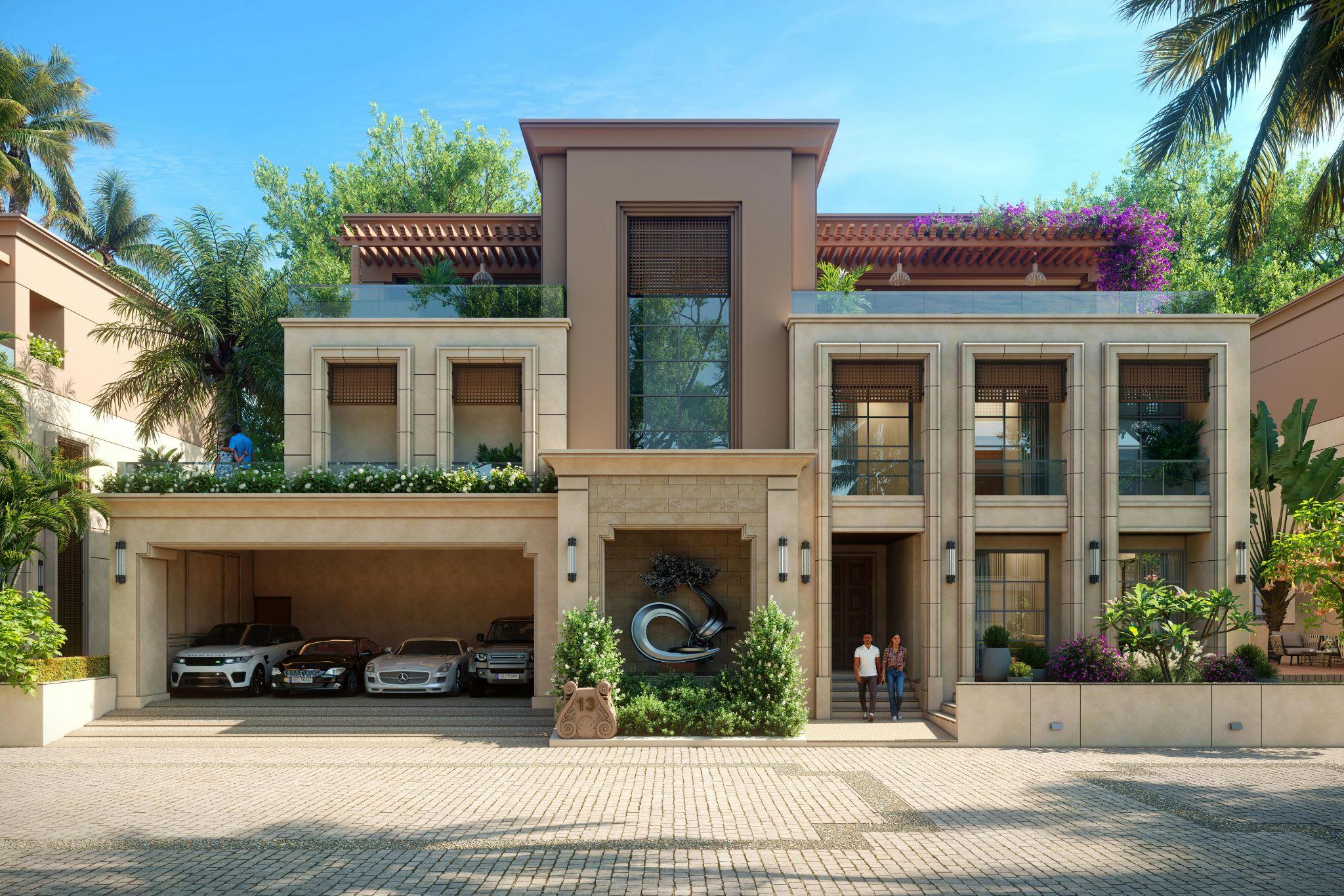
This unique environment places extraordinary pressure on developers and their marketing teams. Capital must be secured early in the project lifecycle to ensure liquidity, and investor confidence must be absolute to keep the development moving forward. In this high-pressure context, 3d architectural visualization services are far more than decorative marketing assets or pretty pictures for a brochure. They function as sophisticated financial instruments that directly influence project funding, final unit pricing, and the overall sales velocity. For luxury projects aimed at a global elite, the visual quality must match the architectural ambition of the world’s leading firms. Every image must communicate authority, exclusivity, and permanence. A weak or amateurish render does not simply look bad; it actively undermines the developer’s credibility and introduces a toxic element of doubt into deals worth tens of millions of dollars.
The Economics of High-End Renders: Investing Six Figures to Secure Millions
At first glance, a developer spending six figures on a single visualization package may seem excessive to outsiders. In reality, however, it is one of the most efficient and high-yield investments a luxury developer can make. For a flagship project valued at $100 million or more, a $100,000 visualization suite represents only a tiny fraction of the overall marketing budget. Yet, the impact of this expenditure is entirely disproportionate to its cost. High-quality, photorealistic renders are the primary tools for securing institutional backing, unlocking complex construction financing, and justifying premium price-per-square-foot valuations that often set new market records.
Luxury buyers expect perfection in every facet of their lives, and they interpret the quality of a digital presentation as a direct proxy for the eventual construction quality of the building. If a developer cuts corners on the renders, a buyer assumes they will cut corners on the marble, the HVAC systems, or the structural integrity. A professional 3D visualisation company provides the essential proof-of-concept that transforms a skeletal blueprint into a credible, liquid asset. By presenting a flawless vision of the finished product, the developer removes the “imagination barrier,” allowing the buyer to move past the risk of the unknown and toward a definitive purchase agreement.
Beyond Photorealism: Crafting an Exclusive Lifestyle Narrative
In the rarified air of luxury real estate, the building’s physical structure is only the foundation of the story being told. What truly sells these spaces is the lifestyle narrative they offer. Visualization artists who specialize in this sector focus on atmosphere and emotional resonance as much as on architectural form. Lighting choices are never accidental; they are designed to suggest profound privacy, evening calm, or the vibrant energy of a morning sun. Interior compositions are meticulously curated to imply status and sophistication without veering into gaudy excess.
Through architectural visualization, developers can communicate the nuances of the daily experience—how it feels to arrive at a private porte-cochere, how the light hits a gallery wall during a private event, and what it feels like to occupy a tranquil space high above the city’s noise. Every pixel in a high-end render is strategically placed to reinforce the development’s brand identity and meet the deep-seated aspirations of the buyer. The goal is to move the buyer from a state of observation to a state of emotional possession.
Critical Deliverables for the Ultra-Luxury Sales Gallery
Converting a high-net-worth individual into a buyer requires a multifaceted approach that goes far beyond static imagery. Luxury sales environments are immersive galleries that rely on a precise and high-tech visual toolkit to close the deal. This toolkit includes 4K cinematic films that present the project’s architectural narrative with the production values of a feature film. It also features hyper-realistic lifestyle renders populated with curated art pieces and high-end furnishings that reflect the buyer’s own tastes.
Interactive VR penthouses have become a standard requirement, allowing buyers to virtually walk through their future home and test the flow of the rooms. Large-format digital murals, often spanning entire walls, simulate the real-time views from the exact floor plate the buyer is considering. Furthermore, AR models help illustrate the building’s impact on the skyline and its massing within the local urban context. Together, these high-tech assets replace the buyer’s imagination with a simulated experience, making the future building feel like an inevitable reality.
Technical Perfection: The Role of Light, Texture, and Precision
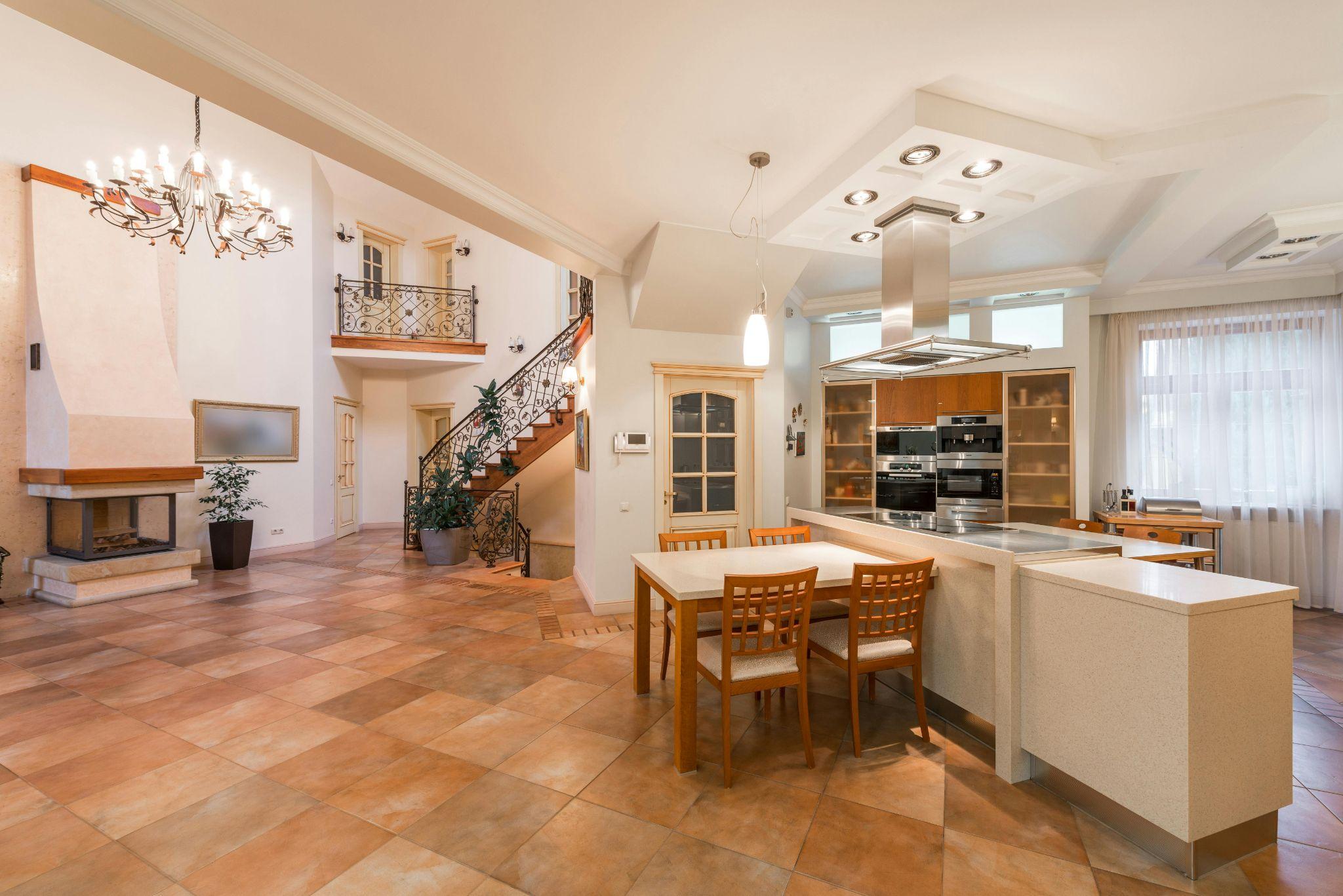
In the luxury market, visualization is judged harshly. Sophisticated buyers and their advisors recognize quality instantly and can detect even the slightest technical shortcut. Accurate light simulation is critical, as it shows exactly how the sun will interact with the specific glass coatings and stone finishes at different times of the year and throughout the day. Material rendering must reproduce the subtle textures of finishes that buyers expect to touch and inspect, from the grain of a rare wood to the veining of a specific quarry’s limestone.
At this elite level, even small inaccuracies or “uncanny valley” effects can erode the hard-earned trust between the developer and the client. If the reflection on a window looks fake or a texture appears repetitive, it triggers a subconscious warning that the project might not be as premium as advertised. A single visual flaw can undermine confidence in a multi-million-dollar decision, making the technical precision of the 3D artist a vital component of the sales strategy.
Selling the View: Using Drones and 3D Integration for Accuracy
In the world of luxury real estate, the view is often the most valuable single asset of a property, sometimes accounting for a significant percentage of the total unit price. To sell these views with integrity, developers use advanced drones to capture precise, high-resolution panoramas from the exact GPS coordinates and future floor levels of the building. These actual photographs are then integrated into the 3D models to create verified perspectives.
This level of accuracy matters both legally and emotionally. In many jurisdictions, developers are held strictly accountable for the views they represent in marketing materials. Beyond the legalities, buyers pay massive premiums for the certainty of what they will see from their windows every morning. By providing a verified view, the developer offers the buyer the peace of mind that their investment is sound and that the vista they are paying for will be exactly as promised.
The Strategic Advantage of Virtual Customization
Early buyers in the luxury sector do not just want to buy a home; they want to influence its creation. Visualization technology enables a level of bespoke decision-making that was previously impossible during the pre-construction phase. Through 3d architecture visualization, various layouts, kitchen finishes, and color palettes can be explored and switched instantly in a digital environment. This ability to personalize the space deepens the buyer’s emotional commitment to the property.
Developers benefit from this digital dialogue as well. By tracking which finishes and layouts are most frequently selected by early buyers, they can gain valuable market intelligence. These preferences guide the optimization of the remaining inventory, allowing the developer to adjust the design of uncommitted units to better match market demand before construction advances to a point where changes become cost-prohibitive.
Conclusion
Luxury real estate pre-sales depend entirely on the power of belief. Before a building exists in the physical world, the digital image is the only reality available to the buyer, the investor, and the broker. Through architectural visualization services, developers can align technical accuracy with the art of emotional persuasion. This synergy reduces the financial risk of the development while simultaneously amplifying the project’s perceived value.
As global competition for high-net-worth capital intensifies, the quality of visualization becomes a decisive factor in who wins the market. The $100 million pitch is not about selling an apartment or a collection of materials; it is about selling a future with absolute, unwavering clarity. In the hands of a skilled developer, 3D visualization is the bridge that turns a grand vision into a sold-out reality.