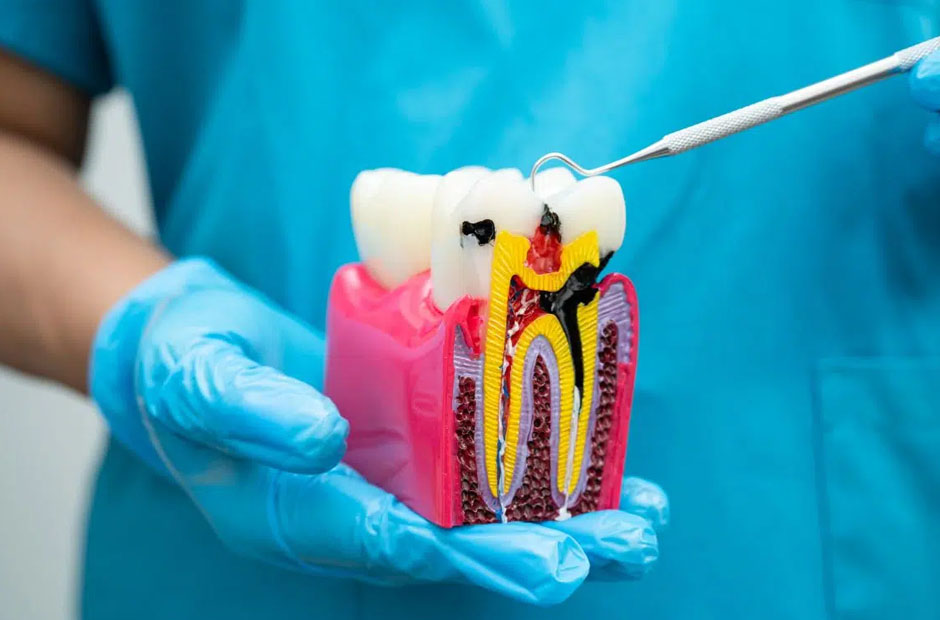
Many people assume a dental infection will always be obvious—sharp tooth pain, swelling, or visible damage. In reality, some infections develop quietly and remain hidden for weeks or even months. A tooth can become infected beneath the surface while the outside still looks normal. Infection may begin in the tooth pulp, spread into the root area, or develop under an old filling or crown. In other cases, gum tissue may trap bacteria in pockets that are hard to see without an exam. These hidden infections can still affect overall health, causing fatigue, headaches, jaw discomfort, and inflammation that doesn’t clearly “feel like a tooth problem.” Because symptoms can be subtle, many people delay care until the infection becomes severe. Understanding the warning signs helps you respond earlier, protect surrounding teeth, and prevent the infection from spreading deeper into the jawbone or soft tissue.
What the Symptoms Can Look Like
Persistent Pressure or Deep Sensitivity
One of the earliest signs of a hidden dental infection is pressure that feels different from normal tooth sensitivity. This discomfort is often described as a dull ache, tightness, or heavy sensation that comes and goes. It may not be sharp, but it feels unusual, especially when chewing. Some people notice that one tooth feels “taller” than the others or more sensitive when biting down. This can happen when infection causes inflammation around the root, making the tooth feel slightly raised due to pressure in the surrounding tissue. Sensitivity to heat is also a common clue, particularly if the discomfort persists after the hot stimulus is removed. Cold sensitivity can also occur, but persistent heat pain is often more strongly linked to deeper nerve irritation. If these sensations persist, a dental examination and X-ray are usually required to confirm the presence of an infection beneath the surface.
Swelling That Appears and Disappears
Hidden dental infections can cause inconsistent swelling. Some people notice mild gum swelling near a tooth; it seems to improve for a few days, then recurs. This can occur when the infection drains slightly, temporarily reducing pressure, yet the bacteria remain active. A small bump on the gumline that looks like a pimple can also appear. This is sometimes a drainage point where infected fluid escapes. The bump may not hurt, which is why many people ignore it. However, it often indicates that infection has been present for some time. When symptoms fluctuate, it can create the illusion that the problem is resolving on its own. In reality, infections don’t truly heal without treatment. Clinics such as https://bewelldental.ca/ often advise that repeated swelling or gum bumps should be evaluated promptly because they can indicate a deeper infection that requires appropriate management.
Silent Infection Still Causes Damage
A hidden infection may not feel dramatic, but it can gradually weaken the tooth, irritate the jawbone, and spread bacteria deeper into surrounding tissue. Early detection protects both comfort and long-term tooth stability.
Bad Taste or Breath That Doesn’t Improve
Another common sign of infection is a persistent bad taste in the mouth or bad breath that doesn’t improve with brushing and flossing. When infection is active, bacteria produce gases and fluids that can change breath quality. If the infection drains through a gum opening, you may notice a salty, metallic, or unpleasant taste. Some people describe it as “stale” or “bitter.” This symptom often occurs without visible dental damage, which can be confusing. Many assume the cause is dietary or stomach-related, but persistent bad taste, especially near one tooth, can indicate infection. Mouthwash may mask the symptom briefly, but it returns because the source is deeper than surface bacteria. If bad breath is localized or associated with tenderness of the gums in one area, a dental evaluation is warranted.
Jaw Pain, Headaches, and Facial Discomfort
Hidden dental infections often radiate discomfort beyond the tooth itself. Pain can radiate to the jaw, cheek, ear, or neck, depending on the involved tooth. Upper tooth infections sometimes cause pressure or pain in the cheekbone and sinus area, leading people to think they have sinus congestion. Lower tooth infections can cause jaw tightness and soreness that mimic muscle strain. Headaches can also result from inflammation and nerve involvement. Many people treat these symptoms with pain relievers without realizing the source is dental. When facial discomfort recurs on the same side, particularly with chewing sensitivity or gum tenderness, infection is a strong possibility. These symptoms often worsen at night because lying down alters blood flow and intracranial pressure, increasing throbbing sensations. A dental examination helps determine the underlying cause rather than treating symptoms in isolation.
Gum Pocket Irritation and Bleeding in One Spot
Not all infections are inside the tooth. Some infections originate in periodontal tissues due to periodontal disease. Bacteria accumulate in periodontal pockets, causing inflammation, tissue breakdown, and, eventually, infection. A common sign is bleeding when flossing in one specific area, even if the rest of the mouth feels fine. Gum tenderness, swelling between teeth, or a sensation of pressure in one gum section can also occur. As a gum infection progresses, it may cause tooth loosening due to bone loss. The infection may remain hidden because it develops slowly and doesn’t cause sharp pain. Regular dental cleanings and gum measurements help detect these pockets early. If gum irritation is localized to one region, it should not be ignored.
General Fatigue and Body Inflammation Signals
In some cases, hidden infections can affect overall health. Low-grade infection and inflammation can contribute to fatigue, difficulty concentrating, and a general sense of feeling “off.” While these symptoms can have multiple causes, they are concerning when accompanied by subtle oral discomfort, gum swelling, or pressure sensations. The body responds to infection by activating immune defenses, which takes energy and can impact sleep and mood. Some individuals also notice swollen lymph nodes in the neck or under the jaw. This indicates that the immune system is responding to an antigen in the vicinity. If lymph node swelling happens alongside mouth discomfort, a dental infection should be considered as a possible source.
Hidden Infections Need Early Action
A hidden dental infection may begin quietly, but it can cause serious damage if left untreated. Signs such as persistent pressure, recurrent swelling, gum bumps, bad taste, chronic bad breath, jaw pain, headaches, and localized gum bleeding can all indicate infection beneath the surface. Even when pain is mild, infection can still spread and weaken the tooth or surrounding bone. Early evaluation allows treatment before the situation becomes more complex. If symptoms persist or repeat, a dental exam and imaging are often the safest next step to protect both oral comfort and long-term health.