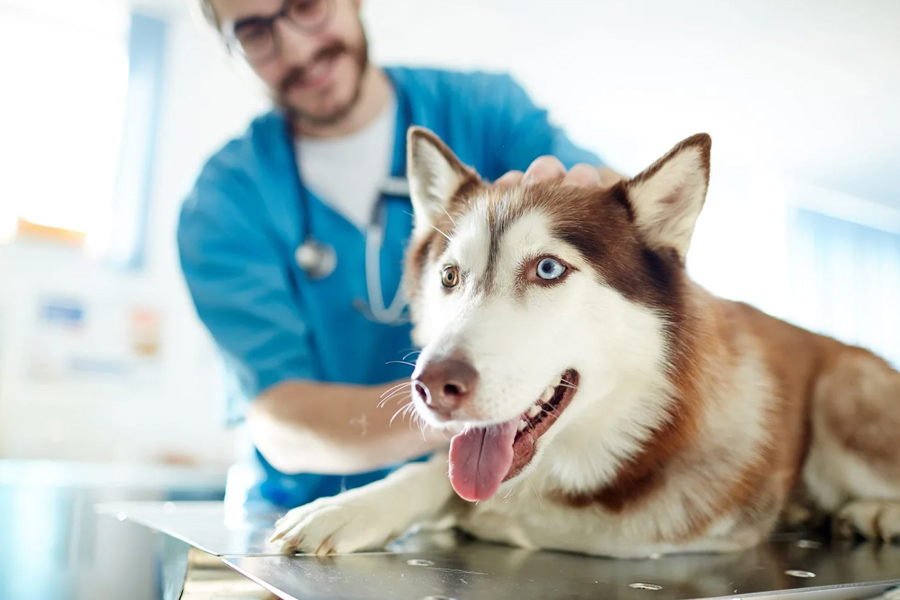
The Big Picture of Everyday Pet Health
Being a responsible pet parent is part science, part intuition, and a whole lot of heart. Your dog or cat counts on you to notice the small shifts—an appetite dip, a limp after a long nap, gums that look a shade paler—and to make timely choices that keep them thriving. Good veterinary care isn’t just about fixing problems; it’s a rhythm of prevention, observation, and quick action when life throws a curveball. Trusted teams like Petfolk Veterinary & Urgent Care – Southlake bridge that gap beautifully, handling routine wellness with the same calm urgency they bring to late-night emergencies.
Common Issues, Decoded
Most health hiccups start small and grow when left unattended. Here’s what lands on vets’ desks most often—and how you can stay ahead of it.
- Obesity: Extra pounds sneak up on pets through quiet routines and indulgent snacks. Weight gain increases the risk of diabetes, cruciate ligament tears, arthritis, and heart disease, so keep an eye on portion sizes, treat counts, and daily movement. This is especially important for owners considering smaller breeds, such as the Mini Golden Retriever, where expectations about size can be misleading. Understanding how much do Golden Retrievers weigh—compared with miniature variations—helps pet parents set realistic portions and activity levels to support long-term joint and heart health.
- Dental Disease: Plaque turns to tartar, gums inflame, and bacteria can travel from mouth to vital organs. Daily brushing, dental chews, and periodic cleanings (with dental X-rays) are your frontline.
- Allergies: Itchy skin, ear infections, paw licking, and occasional tummy troubles may point to environmental or food triggers. Management often blends medicated baths, diet tweaks, and parasite control.
- Skin Conditions: From mange to hot spots to ringworm, skin issues are both common and fixable with early care. A quick check under the fur during grooming helps you catch problems fast.
- Parasites: Fleas, ticks, intestinal worms, and heartworms cause damage you can’t always see. Year-round prevention protects pets and the people who love them.
- Joint and Mobility Problems: Arthritis and injuries surface as stiffness, hesitation on stairs, or a shorter stride. Weight control, joint supplements, and tailored exercise pay dividends.
- Behavioral Health: Anxiety and stress show up as destructive behavior, accidents, or withdrawal. Gentle training, enrichment, and sometimes medication can turn the tide.
Prevention: Food, Movement, and Daily Rhythm
Preventive care is the quiet hero of pet health. Build a steady routine that fits your pet’s species, age, and personality.
- Balanced Diet: Choose a complete, age-appropriate formula and measure meals using a real cup. Let body condition—rib feel, waist tuck, muscle tone—guide adjustments. Some pet parents also look at nutrient-dense options like Hartfelt Angus Beef Recipe when focusing on ingredient quality, protein sources, and overall nutritional balance.
- Regular Exercise: Track minutes like you track steps. Dogs thrive on walks, play, and training; cats need vertical spaces, hunting-style toys, and interactive play.
- Parasite Control: Use vet-recommended preventives for fleas, ticks, and heartworms, and submit a fecal test once or twice a year.
- Grooming and Home Care: Brushing, nail trims, ear checks, and a weekly “nose-to-tail” look keep small issues tiny.
- Mental Enrichment: Puzzles, scent games, new routes, and training sessions feed the brain and calm the nerves.
Vaccines and Annual Checkups: Your Health Timeline
Annual or semi-annual vet visits set the stage for a healthy year. Beyond a nose-to-tail exam, expect discussions about lifestyle risks, diet, and behavior, plus targeted tests.
- Core Vaccines (Dogs): Rabies and a distemper-adenovirus-parvovirus combination are standard; parainfluenza is often included.
- Non-Core (Dogs): Leptospirosis, Bordetella, canine influenza, and Lyme depend on geography and exposure.
- Core Vaccines (Cats): Rabies and FVRCP (feline viral rhinotracheitis, calicivirus, panleukopenia) are foundational.
- Non-Core (Cats): FeLV is recommended for kittens and at-risk adults.
- Screening: Fecal exams, heartworm tests (for dogs), and baseline bloodwork catch silent issues. Dental checks and, for seniors, blood pressure and imaging can be game-changing.
Reading the Room: Early Red Flags You Can’t Ignore
Small changes are often big clues. Call your vet if you notice any of the following:
- Sudden appetite loss or increased thirst/urination
- Coughing, gagging, or labored breathing
- Vomiting or diarrhea that lasts more than 24 hours, or any blood
- Lethargy, collapse, or unusual bruising
- Straining to urinate (especially in male cats), abdominal swelling, or non-stop restlessness
- Limping that doesn’t improve, yelping on movement, or hesitation to jump
When Seconds Matter: Urgent Care and First Aid
Emergencies are rarely neat, but a calm plan makes all the difference.
- Poisoning: If you suspect ingestion of toxins (chocolate, xylitol, medications, lilies for cats), seek immediate veterinary attention. Bring packaging or a photo to help pinpoint treatment.
- Trauma: Falls, bites, or accidents call for swift action. Use a towel or blanket as a stretcher, keep movement minimal, and avoid touching painful areas.
- Breathing Trouble: Blue gums, open-mouth breathing (especially in cats), or wheezing is a red-alert situation.
- GI Crises: Bloated abdomen and unproductive retching in dogs can signal bloat; straining without urine in a male cat can mean a blockage—both require emergency care.
- Seizures and Heatstroke: Time the episode, keep the area safe, and avoid restraining; for heatstroke, move to shade, offer small sips of cool water, and begin gentle cooling while en route to care.
Keep an emergency kit with gauze, non-stick pads, cohesive bandage, saline, digital thermometer, a soft muzzle (or a makeshift one), scissors, and a towel. Urgent clinics like Petfolk Veterinary & Urgent Care – Southlake are built for these moments—save their number in your phone.
Medicines, Supplements, and Safe Dosing
Medication is powerful when precise and risky when improvised.
- The Big Rule: Only give meds prescribed for your pet, at the dose and schedule set by your vet.
- Hard No’s: Human pain relievers like ibuprofen and acetaminophen are dangerous to pets; xylitol (in some medications and gums) is highly toxic to dogs.
- Tracking: Log doses, note behaviors, and report side effects quickly. If you miss a dose, ask your vet before doubling up.
- Supplements: Omega-3s, joint support (glucosamine/chondroitin), and probiotics can be helpful when vetted for quality and appropriateness.
Choosing Your Veterinary Team
The right clinic feels like a partner, not a stopgap.
- Credentials and Philosophy: Look for experience with your species and size, and ask about pain management, dentistry (including dental X-rays), and anesthetic protocols.
- Facilities and Tools: Clean exam rooms, on-site lab work, imaging, and urgent care capacity streamline answers when you need them.
- Communication: Clear explanations, honest timelines, and follow-up matter. A team that respects your questions builds trust that lasts.
Holistic and Rehab Options That Complement Care
When blended thoughtfully with conventional medicine, holistic and rehabilitative therapies can elevate comfort and recovery.
- Acupuncture and Chiropractic: Target pain, mobility, and nerve function—especially in seniors or pets with chronic orthopedic issues.
- Physical Therapy: Hydrotherapy, targeted exercises, and laser therapy rebuild strength after injury or surgery.
- Nutrition and Stress Relief: Therapeutic diets, omega-3s, calming routines, and predictable environments help anxious or sensitive pets find their balance.
Aging Gracefully: Senior Care Without Guesswork
Elderly pets write a new story with wisdom and slower speed. Increase checkups to twice a year, treat discomfort, and watch for cognitive changes like overnight restlessness, pacing, or forgotten house-training. Relaxation comes from ramps, supportive bedding, and low-impact activity; happiness comes from patience and habit.
FAQ
How often should my pet see the vet?
Most adult pets do best with annual visits, while puppies, kittens, and seniors benefit from checkups every six months or as advised.
What vaccines are essential for dogs and cats?
Dogs typically need rabies and a distemper-parvovirus combo; cats need rabies and FVRCP, with FeLV for kittens and at-risk adults.
How can I tell if something is an emergency?
Difficulty breathing, collapse, uncontrolled bleeding, suspected poisoning, bloated abdomen, or a male cat straining to urinate warrant immediate care.
Can I give my pet human pain medication?
No—common human pain relievers can be toxic to pets, so use only vet-prescribed medications.
What’s the right way to brush my pet’s teeth?
Use a pet-specific toothbrush and toothpaste, start slowly, and aim for gentle daily brushing or as often as your pet will tolerate.
Are grain-free diets better?
Not necessarily; the “best” diet depends on your pet’s health and lifestyle, so talk with your vet before switching.
How do I choose the right flea and tick preventive?
Pick a vet-recommended product matched to your pet’s species, weight, and environment, and use it consistently year-round.
Should I worry about heartworm?
Yes—heartworm prevention is essential for dogs and recommended for cats in many regions, even for mostly indoor pets.
When should I spay or neuter?
Timing varies by breed and size, so discuss growth, behavior, and health risks with your vet to set the ideal window.
Are essential oils safe around pets?
Many are not; cats are particularly sensitive, so use caution and consult your vet before diffusing or applying any oils.