In an era where businesses frequently open and close within five years, century-old enterprises stand as remarkable testaments to adaptability, service excellence, and community trust. Northern Colorado hosts several businesses that have served their communities for over 100 years, weathering economic depressions, world wars, technological revolutions, and changing consumer preferences.
These long-standing businesses offer valuable lessons about sustainability, customer relationships, and the importance of community roots. Their survival demonstrates more than longevity—it proves continuous value delivery across multiple generations.
The Rarity of Century-Old Businesses
Statistics reveal that very few businesses survive past their founding generation. According to various business studies, roughly 50% of businesses fail within five years, and only about 25% reach 15 years of operation. Businesses that celebrate centennial anniversaries represent exceptional outliers—less than 1% of all enterprises.
What separates these survivors from the thousands of businesses that closed their doors? Common factors include:
- Unwavering commitment to customer satisfaction
- Ability to adapt to changing markets and technologies
- Strong family or ownership continuity
- Deep community integration and trust
- Fundamental business model that addresses enduring needs
- Financial prudence and sustainable growth practices
The Automotive Industry’s Evolution
Few industries have experienced more dramatic transformation than automotive sales and service. Businesses that entered this field in the early 1900s witnessed the evolution from novelty horseless carriages to today’s sophisticated, computer-controlled vehicles.
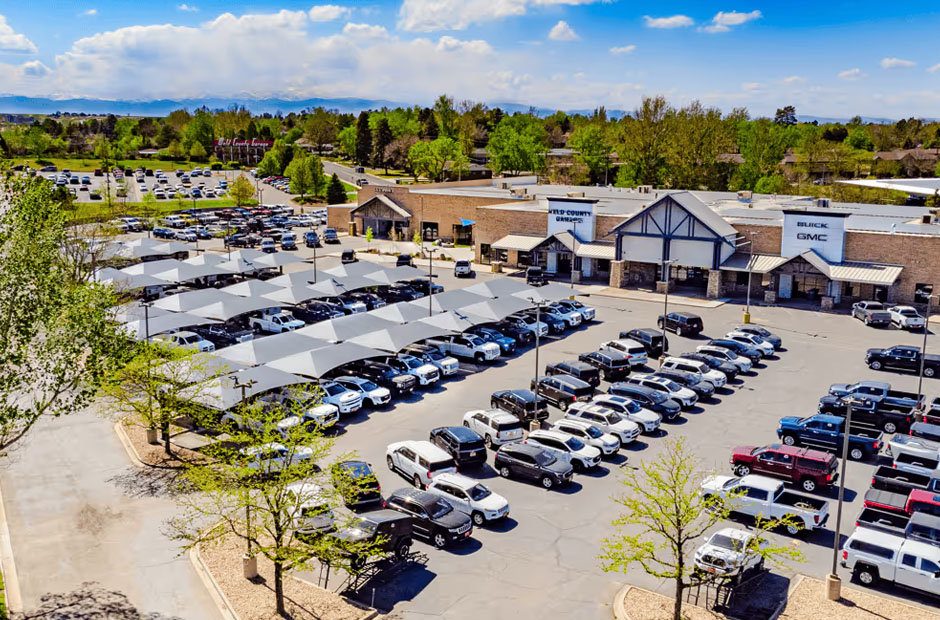
Weld County Garage GMC, founded in Greeley in 1908, exemplifies this remarkable adaptability. Operating continuously for 118 years, the dealership has navigated every major economic and technological shift in automotive history while remaining family-owned and operated—a rarity in today’s consolidated dealership landscape.
Adapting Through Major Industry Changes
Century-old automotive businesses survived transitions including:
- Electric starters replacing hand cranks (1910s)
- Mass production revolutionizing affordability (1920s)
- The Great Depression’s economic devastation (1930s)
- World War II material shortages and production shifts (1940s)
- Interstate highway system transforming transportation (1950s-60s)
- Emission controls and safety regulations (1970s-80s)
- Computer diagnostics and fuel injection (1990s-2000s)
- Electric vehicles and advanced driver assistance systems (2010s-2020s)
Each transition required investment in new equipment, technician training, and evolving business practices. Businesses that failed to adapt disappeared; those that embraced change survived.
The Role of Family Ownership
Many century-old businesses share family ownership structures. Multiple generations stewarding an enterprise creates unique advantages:
Long-term thinking: Family businesses often prioritize sustainability over quarterly profits. Decisions consider impacts on future generations who will inherit the business.
Reputation protection: When the family name appears on the business, reputation becomes intensely personal. Customer satisfaction directly affects family standing in the community.
Institutional knowledge: Values, practices, and customer relationship insights pass from generation to generation, creating depth of understanding impossible to replicate in corporate structures.
Community integration: Family members live in the communities they serve, creating accountability and investment beyond business transactions.
Community Anchors and Economic Stability
Long-standing businesses function as community anchors. They provide employment stability, sponsor local organizations, support charitable causes, and contribute to the economic foundation that allows communities to thrive.
In cities like Greeley, Fort Collins, and Loveland, century-old businesses represent living history. They’ve served multiple generations of the same families, creating relationships that extend far beyond typical commercial interactions.
Employment and Career Pathways
Established businesses often provide stable, long-term employment. Many have employees with 20, 30, or even 40+ year tenures—uncommon in today’s mobile workforce. This stability benefits communities through:
- Consistent employment opportunities
- Career development and advancement pathways
- Skill development and expertise building
- Living wages supporting families
- Retirement security and benefits
Lessons from Longevity
What can modern businesses learn from century-old survivors?
Customer relationships matter more than transactions. Long-term success requires viewing customers as partners rather than one-time sales opportunities.
Adapt or perish. Markets, technologies, and consumer preferences constantly evolve. Businesses must embrace change while maintaining core values.
Reputation takes decades to build and moments to destroy. Consistent ethical behavior and quality service create trust that becomes invaluable during difficult times.
Community investment pays dividends. Businesses deeply integrated into their communities benefit from goodwill, word-of-mouth referrals, and customer loyalty that transcends price competition.
Financial prudence enables survival. Conservative financial management and avoiding unsustainable debt allow businesses to weather economic downturns.
The Challenge of Succession
One critical factor in century-old family businesses is successful succession planning. Transitioning leadership from one generation to the next requires careful planning, clear communication, and shared values.
Successful transitions typically involve:
- Gradual introduction of next-generation leaders
- Mentorship from experienced family members
- Respect for established practices while embracing innovation
- Clear roles and decision-making authority
- Professional advisors supporting family dynamics
The Modern Relevance of Old Businesses
Some might question the relevance of century-old businesses in today’s fast-paced, technology-driven economy. However, these enterprises offer distinct advantages:
They provide continuity and stability in uncertain times. They demonstrate that sustainable business practices create lasting value. They maintain personal service in an increasingly automated world. They prove that ethical business conduct and profitability aren’t mutually exclusive.
Celebrating Northern Colorado’s Business Heritage
Northern Colorado should take pride in businesses that have served communities for 100+ years. These enterprises represent more than commercial success—they’re living monuments to perseverance, adaptability, and commitment to community well-being.
Whether through tours, historical markers, anniversary celebrations, or simply patronizing these establishments, communities can honor businesses that have contributed to local prosperity across multiple generations.
Looking Forward
As these century-old businesses continue serving their communities, they face new challenges: digital transformation, changing consumer behaviors, environmental sustainability requirements, and evolving workforce expectations.
Yet if history provides any guide, businesses that have survived 100+ years possess the adaptability and customer focus necessary to thrive through whatever changes the future brings. Their longevity isn’t accidental—it’s earned through consistent excellence, genuine community commitment, and unwavering dedication to customer satisfaction.
For consumers, supporting these long-standing businesses means partnering with enterprises that have proven their value across generations. It means choosing stability, expertise, and authentic community investment over transactional relationships with businesses that may not exist in five years.
Northern Colorado’s century-old businesses represent treasures worth preserving and supporting, ensuring they continue serving communities for another hundred years.