How Personal Injury Claims Unfold in Hawaii
A personal injury claim exists to make you financially whole after someone else’s negligence derails your day-to-day. On Oahu, that could be a fender bender on H-1 near the Punchbowl exit, a slip on a wet resort walkway, or a botched medical procedure that never should have happened. The legal dance is predictable in outline, but the details can get intricate fast.
It starts with a consultation, usually free, where you map out what happened and where you’re hurting—physically, financially, emotionally. From there, attorneys investigate: photos, scene diagrams, body shop estimates, surveillance footage, witness accounts, medical records, and if needed, expert opinions. Once the file has muscle behind it, your lawyer negotiates with insurers, pushing for a settlement that reflects your full damages—past, present, and future. If talks stall or the offer is light, a lawsuit turns up the pressure with formal discovery, depositions, and, sometimes, a trial.
Hawaii adds twists. The state’s no-fault system pays first medical bills for auto accidents, so your PIP pays regardless of culpability. Medical expenses over a statutory sum or a qualifying serious injury allow you to sue an at-fault driver. Most personal injury claims have a two-year statute of limitations, however this varies by case and when the harm was found. In Hawaii, modified comparative negligence limits your recovery if you’re partly at fault and bars you from recovery if you’re more at fault than the defendants.
Hawaii requires most medical malpractice claims to go through a pre-litigation conciliation panel before filing a lawsuit, which might alter scheduling and strategy. Experienced counsel will consider medical liability cases’ noneconomic damage restrictions, even though Hawaii doesn’t cap most personal injury damages.
Why Going Local in Honolulu Gives You an Edge
Local counsel isn’t just convenient; it’s strategic. Honolulu attorneys know which insurers play hardball on Oahu and which adjusters tend to settle when the numbers make sense. They’ve met the judges you may draw, collaborated with the island’s medical specialists, and understand the logistics of everything from TheBus surveillance requests to maritime injury nuances near Honolulu Harbor.
They also get the rhythm of the city: Waikiki’s tourist-heavy sidewalks, the slick tile at open-air shopping centers after a passing shower, the stop-and-go on Kalaniana‘ole Highway, the rental car wrinkle when visitors are involved. A local lawyer can meet you in person, help coordinate care close to home, and cut through the “who handles what” when multiple insurers are pointing at each other. On an island, relationships matter; a lawyer who’s earned trust in this community starts your case with momentum.
Traits That Separate Standout Injury Lawyers
You’re hiring a guide for a terrain you probably don’t visit often. Look for these signal qualities:
- Clear, steady communication: no legalese without translation, routine updates without you asking, and honest talk about risks and options.
- Case-specific experience: car crashes are not med-mal, and premises claims are not maritime; you want the right playbook for your kind of injury.
- Trial readiness: most cases settle, but solid litigators negotiate from strength because insurers know they’re willing to pick a jury.
- Resources on tap: investigators, accident reconstructionists, medical experts, and the staff to manage records, liens, and deadlines.
- Transparent fees: most work on contingency (a percentage of what’s recovered), with costs explained up front and in writing.
- Compassion and availability: your lawyer should see the human story behind the paperwork and make room for your questions.
On fees, expect a contingency percentage that typically ranges around a third (sometimes higher if the case goes to trial), plus case costs. Ask how medical liens and reimbursements get handled, especially with PIP, health insurance, Medicare, or Medicaid in the mix.
Honolulu Firms Many Residents Start With
The firms below are widely regarded in Honolulu’s injury bar. Each has its own style and case mix; the right fit is the one that listens closely and has a plan that makes sense to you.
- Leavitt, Yamane & Soldner: Known for serious injury and wrongful death work, with a reputation for meticulous case building and client-focused service.
- Davis Levin Livingston: A longstanding team handling significant injury and medical negligence matters, with deep bench strength across complex disputes.
- Cronin, Fried, Sekiya, Kekina & Fairbanks: A veteran firm comfortable with high-stakes litigation and intricate liability scenarios.
- Turbin Chu Heidt Attorneys at Law: A client-forward practice handling auto, premises, and maritime injuries, with a down-to-earth approach.
- Bostwick & Peterson LLP: Often associated with medical negligence and catastrophic injury cases, bringing a detail-driven strategy to the table.
Use initial consultations to gauge chemistry and clarity. Ask how they see your case, what milestones to expect, and how they approach negotiation versus litigation.
Practical Moves That Strengthen Your Case
Small decisions early on can swing outcomes later. Think of these as your scene-setting choices:
- Seek medical care immediately and follow through: prompt, consistent treatment connects the dots between the incident and your injuries.
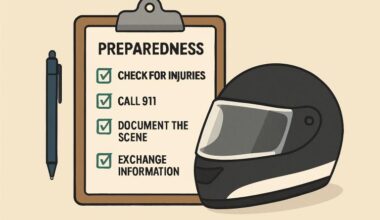
- Document everything: photos of the scene and injuries, names and numbers of witnesses, incident or police reports, repair estimates, and all receipts tied to your losses.
- Open a PIP claim after a car crash: it gets bills paid sooner and creates a clean record of care, while your lawyer tracks thresholds for stepping outside no-fault.
- Keep a recovery journal: symptoms, missed work, pain levels, and activity limitations make the invisible visible.
- Pause on social media: insurers check posts; a single “good day” snapshot can be twisted to minimize your pain.
- Route insurer calls through your lawyer: even casual statements can be mined against you; let your advocate do the talking.
If you’re a visitor injured on Oahu, act as if you’re staying: get local medical care, gather Hawaii-based records, and consult a Honolulu attorney who can coordinate seamlessly across time zones once you fly home.
What Your Timeline Might Look Like
Different examples follow different paths, but a general arc is prevalent. Therapy and evidence collecting dominate the first 30–90 days. Negotiations may begin once your injuries stabilise or your doctor predicts future care, which can take months. Complex liability or harm lawsuits can take longer than a year to settle.
Discovery, depositions, expert reports, and court schedules can add 9–18 months, perhaps more, to litigation. Medical malpractice cases can contain pre-suit mediation to shift the front-end pace. Strong legal representation requires knowing when to wait for medical clarification and when to urge for resolution.
FAQ
How long do I have to file a personal injury claim in Hawaii?
Most personal injury claims have a two-year window, but the clock and exceptions can vary by claim type and when you discovered the injury.
Do I have to use my PIP after a car crash in Honolulu?
Yes, Hawaii is no-fault for auto crashes, so PIP pays initial medical bills regardless of fault before you can pursue the at-fault driver in many cases.
When can I sue the other driver in a no-fault state like Hawaii?
You can usually pursue a liability claim when your medical bills exceed statutory thresholds or your injuries meet serious-injury standards.
What if I’m partly at fault for the accident?
Hawaii reduces your recovery by your percentage of fault, and if you’re more at fault than the other side, you may be barred from recovery.
Are there damage caps in Hawaii?
Most injury claims aren’t capped, but Hawaii limits certain noneconomic damages in medical malpractice cases.
How do contingency fees work?
Your lawyer is paid a percentage of money recovered; if there’s no recovery, you typically owe no attorney’s fee, though case costs are handled as agreed.
Will I have to go to court?
Many cases settle, but if the insurer won’t be fair, filing suit and preparing for trial can be the leverage needed to reach full value.
I was injured while visiting Oahu—can I hire a Honolulu lawyer after I fly home?
Yes; local counsel can handle the case, coordinate your records, and communicate with you remotely while working within Hawaii’s legal system.
What should I bring to an initial consultation?
Bring photos, incident or police reports, medical records, bills, insurance cards, and any correspondence with insurers.
Should I talk to the other party’s insurance adjuster?
It’s safer to let your lawyer handle communications so you don’t say something that undercuts your claim.