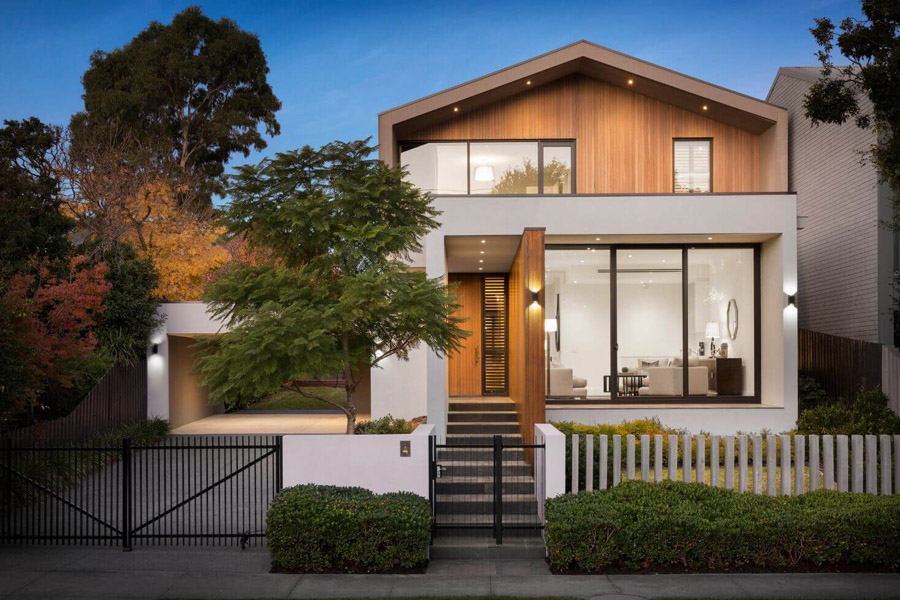
The Toronto Blueprint: Living Large in Compact Spaces
Toronto has Victorian semis next to glass-wrapped condos and cosy cottages next to luxurious developments. Renovations that emphasise flexibility and flow are driven by that blend. Remove non-structural walls, increase sight lines, and create light-filled linkages between kitchens, dining areas, and living rooms to open up floor designs. Lower barriers make rooms double-duty and smaller footprints feel large.
This is purposeful design. Traffic patterns tighten. Storage is integrated into the architecture. Design encourages conversation as well as quiet mornings, and furniture floats. Design rooms that are beautiful on day one and easy to live in when routines change.
Sustainability as a Design Language
Eco-minded renovation in Toronto isn’t a look—it’s a mindset. Homeowners are upgrading windows to high-performance models, boosting insulation in attics and exterior walls, and adding smart thermostats that learn daily patterns. Those changes slash utility costs and make winter nights quieter and cozier.
Material choices are changing. Engineered wood is humidity-resistant. Quartz countertops resist heat and stains. Recycled metals and low-VOC coatings increase durability and reduce pollution. Durability—fewer replacements, fewer resources, more years of daily use—is greener.
Materials, Color, and Texture: Quiet Luxury, Everyday Toughness
Toronto’s current palette whispers rather than shouts: layered whites, soft grays, mushroom tans, and warm earth shades. Against that calm canvas, natural textures do the heavy lifting—oiled oak floors, honed stone, fluted wood details, handmade tile with a hint of glaze variation. These tactile notes ground modern spaces and age gracefully.
Hardware trends lean toward matte black, brushed brass, and warm nickel—finishes that feel lived-in, not flashy. Performance fabrics and wipeable paints keep family zones worry-free. Think quiet luxury you can actually spill coffee on.
Storage That Disappears (Until You Need It)
Clutter-free is the new status symbol. Toronto homeowners are commissioning built-ins that integrate with architecture: wall-to-wall cabinetry with shadow reveals, under-stair drawers, window-seat benches with hidden compartments. Pocket doors slide away to reveal appliance garages; banquette seating steals inches from tight dining nooks. Even radiators and mechanicals get clever millwork to keep the look seamless.
In condos, multifunctional furniture earns its keep—murphy beds with desks, slim consoles that expand for dinner parties, ottomans that swallow extra blankets. It’s form meeting function, without the visual noise.
Kitchens Built for Gathering
Kitchens are still the home’s engine room—and its social heart. Islands are growing a little longer to allow prep and seating in one sweep, often with waterfall counters for a sculptural edge. Mixes of flat-panel cabinetry and warm wood tones, like oak or walnut, soften minimalist lines. Smart, energy-saving appliances tuck into niches so countertops stay clear.
Lighting is layered: task strips under cabinets, pendants with diffused glow over islands, and discreet recessed fixtures to keep the scene balanced. The result is a kitchen that hosts brunch, handles homework, and closes the day with a quiet glass of wine.
Bathrooms as Everyday Spas
City bathrooms are incorporating spa vibes with restraint. Walk-in showers with linear drains, floor-to-ceiling tile, and thermostatic valves give tight spaces hotel-like atmosphere. Where space allowed, freestanding tubs are theatre. Radiant heated flooring and towel warmers make winter mornings luxurious.
Durability matters here: large-format porcelain tiles resist moisture, quartz vanities shrug off makeup and toothpaste, and wall-hung toilets make cleaning a breeze. Layered lighting—ambient, task, and accent—keeps grooming accurate and ambience soft.
Basements That Pull Double Duty
Toronto basements are graduating from storage zones to everyday living spaces. Families are carving out hybrid rec rooms, home gyms, media dens, and guest suites; many also create rental units to offset mortgages. Moisture control and insulation come first, followed by ample lighting (pot lights plus wall sconces) and resilient flooring that can take a hit.
If you’re considering a basement suite, plan for proper egress windows, ceiling heights, soundproofing, and a kitchenette with dedicated ventilation. With the right approvals, a well-designed lower level becomes a quiet income stream—or a flexible, future-proof living space.
Main Floors That Flow
Main levels emphasise circulation and light. Wider door casings, uniform flooring, and aligned sight lines modernise century homes without removing their individuality. Glass dividers in narrow semis keep openness and reduce noise. Sleek baseboards, simple crowns, and clean window trims blend old and new.
Partnering With the Right Pros
A decent renovation depends on the team that creates it. Established Toronto renovators like Sosna understand the city’s housing stock, historic frame, and permit and inspection cycles. They help you make long-term investment decisions and fix small problems before they become huge ones.
Look for clear scopes, transparent timelines, and a communication style that fits your pace. Good pros bring options, manage trades, and keep the quality bar high when you’re juggling life around a construction site.
Planning for Forever: Design Choices That Age Well
Balance creates timelessness. Paint, hardware, and lighting can be added to a neutral base like classic floors, clean-lined cabinetry, stone or quartz surfaces. Purchase strong doors, quiet-close cabinetry, quality plumbing fittings, and good ventilation.
Layout is longevity. Prioritize pathways, natural light, and storage you can grow into. Choose natural materials that patina with grace, and avoid trendy shapes in hard-to-replace surfaces. Let personality live in rugs, art, and pendants; let permanence live in the things that are hard to rip out.
Navigating Permits, Codes, and Condo Rules
Toronto projects move faster when approvals are handled early. Structural changes, new plumbing runs, basement apartments, and exterior alterations typically require permits. Heritage homes or conservation districts add another layer of review; plan extra time. For condos, you’ll need board approval, working hours restrictions, and materials/lift bookings before demo begins.
Even “simple” updates can trigger code considerations—smoke/CO detectors, GFCI/AFCI protection, ventilation upgrades, and egress requirements. A knowledgeable contractor will map this out so you stay compliant and on schedule.
Smart Tech That Earns Its Keep
Zoned lights, leak detectors, and smart thermostats are small chips that create a huge table. Sun and privacy are controlled with motorised shades. Doorbell cameras and smart deadbolts provide discreet security. Speed, safety, and energy efficiency make induction cooktops popular in kitchens. Choose straightforward, easy-to-service electronics and run extra conduit while walls are open for easy upgrades.
Condo vs. House: Different Playbooks
In houses, you control more variables—structure, routing, windows—which makes deep energy retrofits and layout shifts easier. In condos, vertical stacks, shared systems, and concrete ceilings set limits. The win comes from precision: clever millwork, acoustics, lighting, and furniture planning that turns constraints into features. Sound management (underlayments, resilient channels, door seals) is the condo hero most people overlook.
Heritage Charm, Modern Comfort
Toronto’s older homes deserve gentle hands. Preserve original stairs, casings, and stained glass where you can; pair them with modern systems and smart insulation strategies to quiet the draft without losing the soul. When opening walls, expect surprises—balloon framing, out-of-plumb lines—and plan contingencies. Done right, the result feels like a love letter: history intact, daily life transformed.
FAQ
Is open concept still a smart choice in Toronto?
Yes, with nuance—open sight lines and shared social zones work well, but partial separations or glass dividers help with acoustics and privacy.
What upgrades add the most value locally?
Kitchens, bathrooms, and well-finished basements consistently deliver, especially when paired with energy efficiency improvements.
Do I need a permit to remove a wall?
If it’s structural or impacts electrical, plumbing, or HVAC, you’ll likely need a permit and possibly an engineer’s review.
How long does a typical full-home renovation take?
For a full gut of an average-size Toronto home, plan several months, with scope, permits, and supply chains influencing timelines.
Are sustainable upgrades worth the cost?
Yes—insulation, windows, and smart controls lower bills, improve comfort, and make homes more resilient.
Can I renovate my condo like a house?
Not exactly—condo boards, shared systems, and concrete structures set boundaries, so planning focuses on finishes, lighting, and millwork.
How do I choose the right contractor?
Interview a few, review detailed scopes and schedules, check recent work, and choose a team that communicates clearly and aligns with your goals.