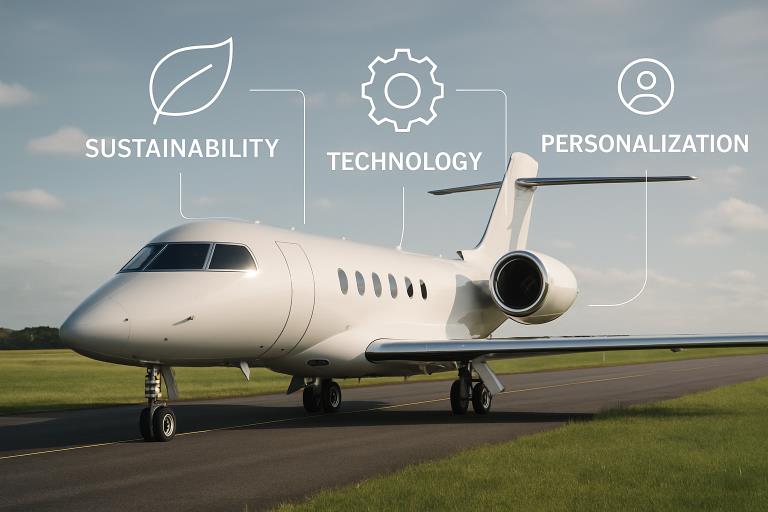
The landscape of private jet travel is experiencing profound change as we look ahead to 2026. Driven by advancements in technology, heightened environmental awareness, and evolving consumer expectations, private aviation is more dynamic than ever. Today’s discerning travelers are no longer just seeking luxury—they desire innovation, sustainability, and personalized experiences tailored to their needs. For those already familiar with upscale private air travel, staying informed about these new trends is crucial for maximizing both value and experience. Whether you are an avid flyer or just exploring private jet options, understanding these developments will shape your journey in meaningful ways.
Industry stakeholders, operators, and travelers now face a rapidly shifting regulatory environment and evolving market dynamics. From the emergence of eco-friendly fuels to the expansion of global connectivity, every aspect of the jet charter business is undergoing scrutiny and transformation. The integration of AI, the accessibility provided by declining prices, and the surge of hyper-personalization are just some of the factors ensuring that the skies of the future will belong to those who adapt most effectively.
Sustainable Aviation Fuels: A Greener Horizon
Environmental stewardship is at the forefront of private aviation. Sustainable Aviation Fuels (SAF) are witnessing remarkable adoption as operators strive to slash their carbon emissions. Industry data reveals a staggering 340% rise in SAF usage, highlighting an industry-wide commitment to green solutions. As both corporate and leisure clients become more eco-conscious, the demand for greener flights is pushing operators to invest in SAF infrastructure and partner with fuel innovators. This green evolution not only fulfills corporate social responsibility mandates but also serves as a selling point for the growing number of travelers seeking luxury without compromising the planet. Major industry players are setting ambitious net-zero targets, which are echoed by global commitments reported by outlets like Forbes.
AI-Powered Maintenance: Enhancing Reliability
Reliability remains the heart of luxury aviation, and artificial intelligence is making that promise stronger. AI-powered predictive maintenance is reengineering how private jets are serviced and maintained. Advanced algorithms monitor flight data, environmental conditions, and historical maintenance logs to anticipate potential mechanical issues before they occur. This technology has reduced unscheduled maintenance by 23%, according to industry statistics, resulting in improved fleet availability and significantly enhanced on-time performance. These innovations don’t just reduce operational costs—they ensure peace of mind for clients who expect perfection in every journey. The integration of AI-driven maintenance protocols is quickly becoming an industry standard and a competitive differentiator.
Declining Prices: Making Luxury More Accessible
One of the most remarkable developments is the increase in affordability across charter and jet card programs. Creative pricing models and greater competition have driven down costs, opening the door to a broader audience. While prices remain around 20% higher than pre-pandemic levels due to pilot shortages and complex supply chain issues, year-over-year costs continue to soften. Providers now bundle added perks—such as complimentary catering or no peak surcharges—to attract membership. This democratization of private flight is especially popular among occasional flyers as well as families who prioritize privacy and flexibility.
Hyper-Personalization: Tailoring the Experience
The definition of luxury in 2026 is spelled P-E-R-S-O-N-A-L. The era of one-size-fits-all service is over. Travelers now expect every detail to be tailored, from personalized gourmet menus curated by celebrity chefs to customized in-flight entertainment. Advanced booking apps store traveler preferences, enabling a seamless experience on every trip. Concierge-level services extend well beyond the aircraft, orchestrating ground transfers, VIP security, and on-demand amenities anywhere in the world. The most successful operators recognize that true luxury is individuality—delivering experiences that are as unique as their clientele.
Empty Leg Flights: Luxury at a Discount
Empty leg flights, or repositioning segments flown without passengers, are making luxury flights surprisingly affordable. These discounted flights—sometimes up to 75% less than regular charters—are being snapped up by savvy travelers who are flexible with their schedules. Apps and booking platforms now aggregate and instantly promote empty leg availability, providing travelers with real-time options. Not only does this help operators reduce wasted seat inventory, but it also means luxury is no longer reserved for the ultra-wealthy alone. Major publications, such as The New York Times, have reported on the growing popularity and appeal of empty-leg flights for opportunistic jetsetters.
Regulatory Scrutiny: Navigating New Challenges
Regulatory oversight on the private jet industry has tightened substantially. Tax authorities, including the IRS, are increasing audits to ensure that the personal use of corporate aircraft is fully compliant with tax regulations—a push that’s been making headlines and creating new operational hurdles for companies and high-net-worth individuals alike. Operators are responding by enhancing documentation, improving transparency, and offering professional guidance to clients. Staying compliant is now an essential part of protecting assets and reputations in the high-profile world of business aviation. For more details, refer to the IRS’s announcement on auditing corporate aircraft use on the IRS Newsroom.
Global Market Growth: Expanding Horizons
The business jet sector is poised for robust expansion, with forecasts projecting a nearly $5 billion increase in just four years. The appetite for global business travel, distributed workforces, and a preference for safe and private transportation have ignited demand in emerging markets, from Southeast Asia to Africa and Latin America. The latest models emphasize ultra-long-range capabilities, cabin connectivity, and the highest standards of in-flight safety. As international regulatory frameworks evolve and the benefits of new technologies are realized, private aviation is poised for unprecedented reach and influence worldwide.
Conclusion
The future of private jet travel is built on a foundation of innovation, responsibility, and client-driven evolution. From sustainability initiatives to tech-powered reliability and a focus on personal service, every trend points toward a more sophisticated, accessible, and responsive industry. Staying ahead in this swiftly evolving market requires continuous adaptation and a willingness to embrace new opportunities—and for travelers, it promises a truly transformative way to fly.