Key Takeaways
- Comprehensive inventory management is vital for tracking and managing all telecom assets.
- Automated invoice processing reduces manual errors and ensures accurate billing, leading to significant cost savings.
- Real-time analytics and integration with business systems empower organizations to optimize telecom expenses and streamline workflows.
Comprehensive Inventory Management
Managing your telecom assets efficiently starts with comprehensive inventory management. Without real-time visibility into devices, lines, contracts, and services, companies risk bloated costs, underused resources, and compliance gaps. The right Telecom Expense Management (TEM) solution provides a centralized platform for cataloging and tracking telecom-related assets, offering clear insights into current usage and potential redundancies. This holistic view enables IT leaders to make smarter, data-driven decisions, identify unused lines, and eliminate unnecessary expenses. For those looking to streamline inventory activities, Lightyear highlights top solutions tailored for comprehensive asset tracking.
Effective inventory management systems also support device lifecycle management, allowing enterprises to monitor device assignments, maintenance schedules, and end-of-life cycles. By centralizing this information, organizations increase accountability and reduce the risk of overspending or misplaced assets.
Automated Invoice Processing and Validation
Billing complexity is a significant pain point in telecom management. Automated invoice processing is an essential feature of any robust TEM tool, eliminating the laborious, error-prone manual reviews that often lead to missed overcharges or duplicate payments. Automation ensures invoices are captured, validated, and reconciled against contracts and actual usage patterns. Advanced TEM solutions use built-in intelligence to flag anomalies such as billing for disconnected lines or services outside contract terms, enabling faster resolution and improved cost recovery.
Over time, these capabilities drive substantial cost savings. Organizations are empowered to negotiate with vendors from a position of knowledge, having clear evidence of past billing discrepancies.
Real-Time Usage Monitoring and Analytics
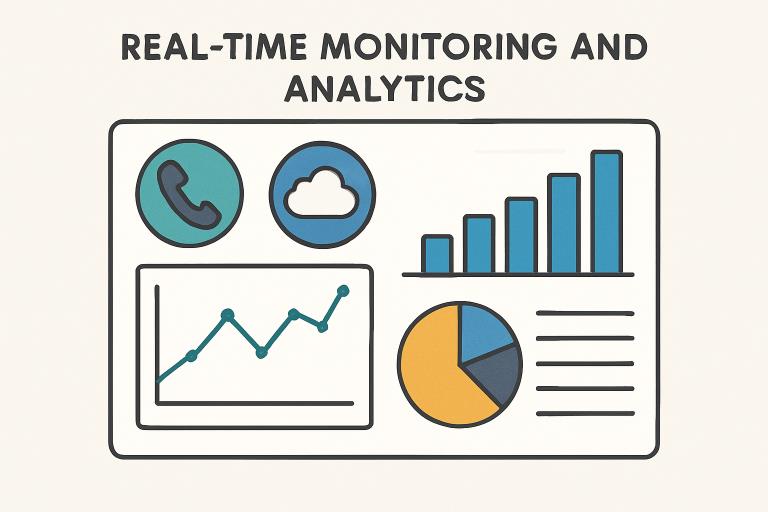
In today’s rapidly changing workplace, real-time analytics play a pivotal role in controlling telecom costs. With advanced data visualization tools, organizations can monitor voice, data, and mobile usage in real time. This immediate access helps pinpoint unusual spikes, optimize plan selections, and anticipate future contract needs based on consumption trends. Dashboards typically offer both granular and high-level overviews, enabling quick responses to costly usage patterns.
Granular analytics are also instrumental in supporting budget planning and uncovering hidden savings opportunities, such as adjusting underused data plans or renegotiating volume discounts with service providers.
Contract Management and Vendor Negotiation Support
The complexity of juggling multiple contracts and vendors is solved through centralized contract management. Modern TEM tools store, track, and manage all contract terms, renewal dates, and obligations in one place, minimizing the risk of non-compliance or missed renegotiation opportunities. Automated alerts help ensure timely renewals and support informed negotiations, empowering organizations to avoid unfavorable terms and leverage competitive offers from different providers.
This centralized approach enhances procurement team efficiency and supports vendor comparisons to secure the best value for telecom services. Having quick access to contract performance history further strengthens negotiating positions during renewal discussions.
Compliance Monitoring and Reporting
With ever-evolving data privacy regulations and industry standards, compliance monitoring is non-negotiable for any organization. Effective TEM systems enforce organizational policies on data privacy, role-based access, and detailed audit trails. Comprehensive reporting capabilities ensure all activities are documented and ready for regulatory audits. These assurances are particularly crucial for industries such as healthcare and finance, where noncompliance can result in hefty fines and reputational harm.
Scalable Cloud-Native Architecture
Modern enterprises demand solutions that scale. A cloud-native TEM platform offers instant access to centralized data, seamless updates, and a consistent user experience, regardless of location. This architecture enables organizations to extend management capabilities to remote teams, leverage real-time synchronization, and adopt modern network technologies such as Unified Communications as a Service (UCaaS) and Software-Defined Wide Area Network (SD-WAN). As these technologies continue to evolve, scalability and agility become more than mere conveniences, they are competitive necessities.
Advanced Reporting Capabilities
Strategic oversight depends on dynamic, customizable reporting. The best TEM tools offer options ranging from standard templates to fully tailored dashboards that allow users to slice data by department, cost center, region, or even individual device. Multi-dimensional analysis supports finance and IT leaders in uncovering spending patterns, tracking savings from optimization initiatives, and presenting clear, actionable insights to stakeholders at every level.
Integration with Existing Business Systems
Seamless integration with financial platforms and enterprise resource planning (ERP) systems is imperative for enterprise-wide efficiency. By synchronizing telecom data with broader business workflows, organizations eliminate data silos, reduce manual entry errors, and gain a unified, transparent overview of technology spending. These integrations not only improve operational continuity but also ensure more accurate forecasting and budgeting across the business.
Incorporating these essential features into your telecom expense management strategy positions your organization for greater efficiency, tighter spending control, and enhanced risk mitigation in an increasingly connected enterprise landscape.
Final Thoughts
Effective telecom expense management is a strategic imperative for modern enterprises. By leveraging comprehensive inventory tracking, automated invoice processing, real-time analytics, contract oversight, and seamless system integration, organizations can gain full visibility and control over telecom spending. Implementing a scalable, flexible TEM solution not only reduces costs and prevents waste but also strengthens operational efficiency, compliance, and long-term financial planning. With the right tools and processes in place, businesses can transform telecom management from a reactive task into a proactive driver of cost savings and organizational agility.