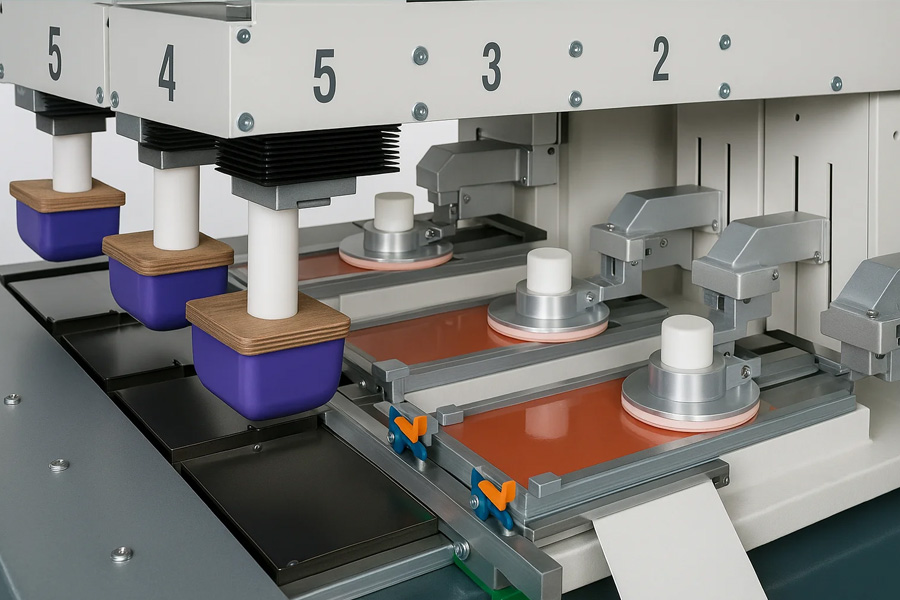
Pad printing has rapidly evolved into a core technology within modern manufacturing, admired for its unique ability to transfer intricate 2D designs onto 3D surfaces. This unparalleled versatility has propelled its adoption across a range of industries, from electronics to aerospace. Manufacturers exploring advanced marking and decorating methods are increasingly turning to solutions like the pad printer for superior results on complex substrates.
Unlike traditional printing technologies, pad printing enables the high-fidelity reproduction of graphics, logos, and functional markings on uneven, contoured, or textured surfaces. Its ongoing innovations are readjusting quality standards in product decoration and information labeling, making this method indispensable for businesses seeking both efficiency and creative freedom.
Electronics Industry
Precision Marking and Branding
The electronics sector has embraced pad printing as a solution for applying clear and durable markings to compact, intricate components. Smartphones and circuit boards, for instance, feature exceptionally small switches and buttons that require precise identifiers and branding. Pad printing excels at meeting stringent durability and accuracy requirements, maintaining legible graphics even with heavy regular use.
Enhancing Device Reliability and Safety
Printed indicators—such as start/stop icons, volume symbols, or technical specifications—directly support product reliability, ease of use, and user safety. As devices shrink and become more sophisticated, the importance of dependable pad printing continues to grow. Leading tech manufacturers often rely on this technology for functional markings on everything from remotes to wearable devices.
Medical Devices
Essential Labeling and Traceability
In the healthcare industry, precise and lasting markings are critical. Pad printing is routinely used to apply measurement scales, serial numbers, and reference codes to surgical instruments, diagnostic devices, and disposable items such as syringes. The method ensures information remains permanent and legible throughout each product’s life, even after frequent cleaning or sterilization.
Accurate labeling not only supports operational safety for medical professionals but also upholds regulatory compliance. For example, pad-printed instructions and lot numbers can be crucial for medical recalls or audits, providing manufacturers and healthcare providers with dependable traceability.
Automotive Components
Robust Markings for Demanding Environments
Pad printing’s resilience makes it a favored choice in the automotive industry. Components such as dashboard controls, indicator symbols, gear knobs, and air conditioning dials rely on pad printing for crisp, durable markings that withstand sun exposure, chemical cleaners, and constant physical contact.
Driving Brand Identity and Safety
Beyond functionality, automotive brands leverage pad printing for decorative logos and aesthetic features, solidifying their identity while enhancing the end-user experience. Reliable pad-printed labeling also meets high safety standards, helping drivers interact safely and intuitively with their vehicles.
Toys and Games
Creative Customization and Appeal
The toy industry utilizes pad printing for detailed graphics on figures, vehicles, and game pieces. This technique is vital for intricate facial details, clothing patterns, or branding that might otherwise be impossible on small, plastic surfaces. Through pad printing, manufacturers can deliver visually appealing, durable products that captivate children and collectors alike.
Cosmetics Packaging
Brand Enhancement through Aesthetic Printing
Product presentation is a top priority in the cosmetics industry, and pad printing enables brands to apply vivid logos and designs to lipstick tubes, compacts, and perfume bottles. The high level of detail achievable ensures that packaging stands out on shelves and survives the wear and tear of daily use. Pad printing technology enables cosmetic brands to incorporate color and texture into premium, memorable packaging designs.
Aerospace Equipment
Reliability in Extreme Conditions
Pad printing technology is integral to aerospace manufacturing, where reliability and safety markings must endure extreme temperatures, pressure fluctuations, and chemical exposure. It’s used extensively for serial numbers, compliance indicators, and safety instructions on cockpit controls, panels, and instrumentation components. These permanent markings are essential for maintenance crews and pilots, helping ensure mission success and compliance with regulations.
Home Appliances
Functional Labeling for Daily Use
Appliance manufacturers depend on pad printing for clear, abrasion-resistant labels on control panels, switches, and user interfaces. The method delivers intuitive, easy-to-read graphics and instructions, enhancing both the form and function of kitchens, laundry rooms, and other household spaces. From microwave oven buttons to washing machine dials, pad-printed designs provide the usability and aesthetic consistency consumers expect.
Future Trends in Pad Printing
Digital Advancements and Automation
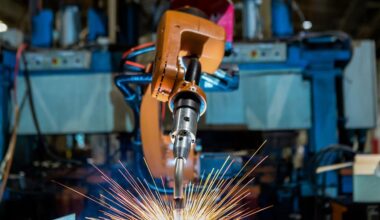
The future of pad printing is closely tied to technological innovation. Digital cliché imaging, automation, and integration of smart sensors are revolutionizing quality control and production efficiency. These advancements are paving the way for more sustainable, scalable, and precise decorating solutions. Automation is accelerating change across the manufacturing sector, including surface printing technologies such as pad printing.
Nanoimprint and Micro-Transfer Printing
Emerging methods, such as nanoimprint lithography and programmable micro-transfer printing, now enable manufacturers to print nanoscale designs for advanced applications, particularly in electronics and medical device manufacturing. These techniques dramatically expand the creative, functional, and economic possibilities for pad printing, making it a centerpiece in tomorrow’s smart factories.
Conclusion
Pad printing has proven itself to be a versatile and indispensable technology across a wide range of industries, including electronics, medical devices, automotive, cosmetics, and aerospace. Its ability to deliver precise, durable, and visually striking markings on complex surfaces makes it a critical tool for both functional labeling and brand enhancement. As the technology continues to evolve with digital advancements, automation, and micro-transfer innovations, pad printing is poised to meet the growing demands of modern manufacturing while enabling greater creativity, efficiency, and reliability. For manufacturers seeking high-quality, adaptable, and future-ready printing solutions, pad printing remains a trusted choice.