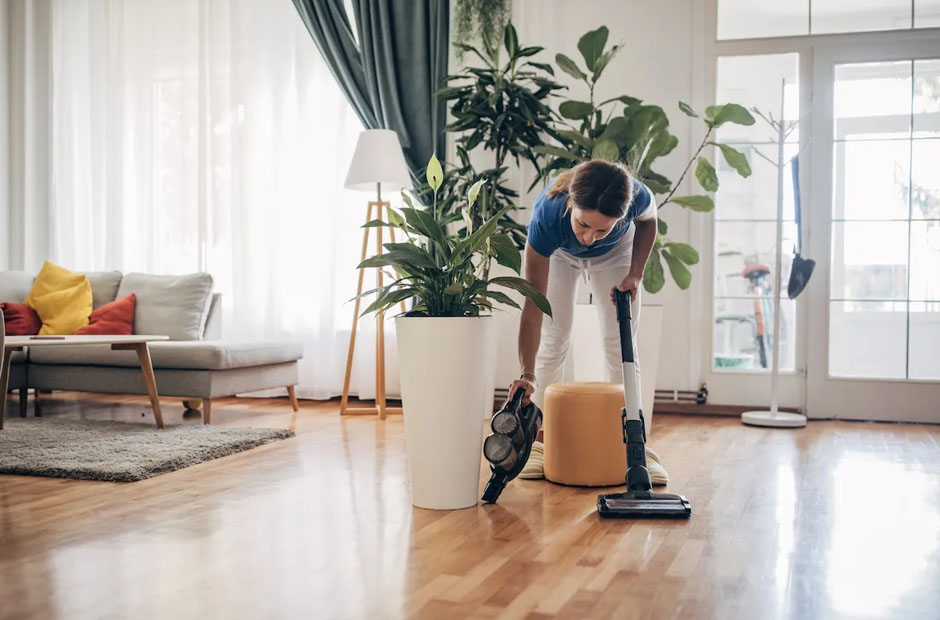
The floors beneath our feet do more than provide a walking surface. They influence how we move through rooms, where we place furniture, and how we feel about our living spaces, explains trusted Bartlett Property Management company, Collaborate Real Estate Group. When floors show signs of wear, these effects become more pronounced. Understanding this relationship helps homeowners make better decisions about their interiors.
The Psychology of Walking on Worn Surfaces
Every step we take sends information to our brains. Smooth, even flooring creates a sense of stability and confidence. Worn flooring does the opposite. Scratches, dents, and uneven patches cause subtle hesitation in our movements. We may not consciously notice this effect, but our bodies respond to it.
People tend to walk more carefully on damaged floors. This caution extends to guests who visit your home. They may perceive the space as older or less maintained than it actually is. First impressions form quickly, and flooring plays a larger role in those judgments than most homeowners realize.
Children and elderly family members respond most strongly to floor conditions. Rough patches can cause tripping hazards. Worn finishes may feel slippery in certain conditions. These safety concerns change how families use their spaces. Parents may limit play areas. Older residents may avoid certain rooms entirely.
How Wear Patterns Reveal Traffic Flow
Worn floors tell a story about how a home has been used. High traffic areas show the most damage. Hallways develop visible paths. Kitchen floors wear down near sinks and stoves. Living rooms show wear patterns around seating areas and doorways.
These patterns can make rooms feel smaller than they are. The eye naturally follows damage and discoloration. When wear concentrates in certain zones, those areas draw attention away from the rest of the space. A large room can feel cramped if its central walking path shows obvious deterioration.
Smart homeowners use these wear patterns as information. They reveal which areas receive the most use. They show where protective measures like rugs might help. They indicate which furniture arrangements work with natural traffic flow and which ones fight against it.
The Connection Between Floor Condition and Room Function
Worn floors affect how we use rooms in practical ways. A dining room with scratched hardwood may discourage formal entertaining. Homeowners become self-conscious about the appearance. They may shift gatherings to other areas or avoid hosting altogether.
Bedrooms with worn carpeting can feel less restful. The texture underfoot matters when we walk barefoot in the morning. Rough or matted fibers create an unpleasant sensation that starts each day on a minor negative note. These small discomforts accumulate over time.
Home offices present particular challenges. Professional video calls now happen regularly in residential spaces. Worn flooring visible in the background can undermine the polished image many workers want to project. Some people rearrange entire rooms to keep damaged floors out of camera view.
Light and Color Changes in Worn Flooring
Finishes protect floors from more than physical damage. They also preserve color consistency. When finishes wear away, wood floors may fade unevenly. Some areas darken from exposure to foot traffic. Others lighten from sun exposure. The result is a patchwork appearance that disrupts visual harmony.
This uneven coloring affects how natural light moves through a room. Darker patches absorb light while lighter areas reflect it. The overall effect can make spaces feel less bright and welcoming. Homeowners often compensate by adding more artificial lighting, which increases energy costs without solving the underlying issue.
Many people searching for solutions encounter terms like floor refinishing in waco and similar regional phrases during their research into surface upkeep options. Understanding what restoration involves helps homeowners evaluate their choices more effectively.
Furniture Placement Challenges
Worn floors complicate furniture arrangement. Homeowners often position rugs and furniture to hide damage rather than to optimize the room’s function. This defensive approach limits design possibilities. It can result in awkward layouts that waste usable space.
Heavy furniture placed on damaged floors may settle unevenly. Chairs wobble. Tables rock. These minor instabilities create constant low-level annoyance. People adjust their behavior to accommodate the problems rather than addressing the root cause.
The protective instinct also affects how we treat new furniture. Homeowners with worn floors often hesitate to purchase quality pieces. They worry about further damaging the floor or having nice furniture look out of place against a worn background. This hesitation can delay home improvements indefinitely.
Sound and Acoustic Effects
Floor condition affects room acoustics more than most people expect. Damaged hardwood can develop squeaks and creaks. Worn carpet loses its sound-absorbing properties. These changes alter the acoustic character of living spaces.
Noisy floors discourage movement. Family members may avoid walking through certain areas to prevent disturbing others. This avoidance reshapes daily routines in subtle ways. The free flow of household activity becomes constrained by acoustic concerns.
Conversations also change in rooms with poor floor acoustics. Hard surfaces with worn or missing finishes reflect sound differently than well-maintained ones. Speech may echo slightly. Background noise becomes more noticeable. These effects make spaces feel less comfortable for extended occupation.
Emotional Attachment and Home Satisfaction
Our feelings about our homes connect deeply to their physical condition. Worn floors can trigger a sense of decline or neglect, even when the rest of the home remains well maintained. This emotional response affects overall satisfaction with living spaces.
Homeowners sometimes describe feeling embarrassed about their floors. This embarrassment extends to reluctance about inviting guests. Social connections suffer when people feel uncomfortable in their own homes. The psychological cost of worn flooring extends well beyond aesthetics.
Conversely, well-maintained floors support feelings of pride and comfort. Walking through a home with smooth, consistent flooring creates a sense of order and care. These positive feelings enhance daily life in ways that are difficult to quantify but easy to experience.
Making Informed Decisions
Understanding how worn floors affect perception and use helps homeowners prioritize their maintenance efforts. Not every scratch requires immediate attention. But significant wear that changes how you use or feel about your space deserves consideration.
The goal is not perfection. Homes are meant to be lived in. Some wear reflects happy memories and daily life. The question is whether floor condition supports or undermines your enjoyment of your space. When floors start limiting how you live, the time has come to explore your options.