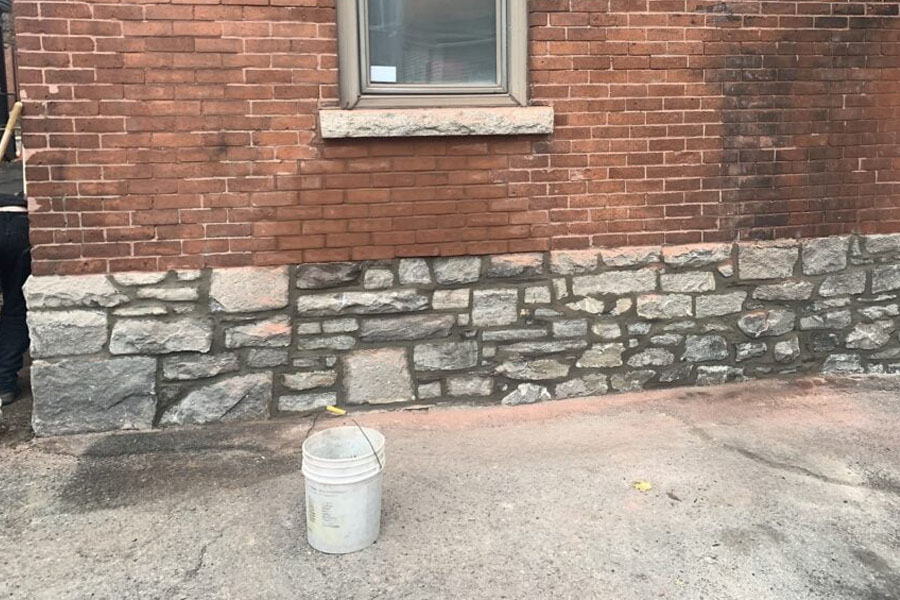
What Makes Old Stone Foundations Tick
Historic stone foundations are charmingly different. Built from local stone and bound by lime-based mortar, these walls were meant to breathe—moving vapor through the assembly and flexing subtly with the seasons. That breathability is a strength, not a flaw. But decades of freeze-thaw, shifting soils, and neglected maintenance can wear down mortar joints and open small pathways for water to slip inside. Treating these walls like modern concrete is a fast track to trouble; respecting the original materials is where the real preservation magic happens.
Where Moisture Sneaks In
Moisture isn’t a single villain—it’s a cast of characters working together. Here’s where the usual suspects show up:
- Poor grading that lets rainwater drift toward the foundation.
- Gutters and downspouts that clog, leak, or dump water right at the wall.
- Rising damp, where ground moisture wicks upward through porous stone and mortar.
- Cracked or eroded joints that invite water into voids.
- Minimal ventilation in basements or crawl spaces, leading to condensation and stale humidity.
- Hidden utility penetrations and hairline slab cracks that become tiny funnels during storms.
Understanding your home’s water patterns—how rain moves, where splashback happens, and how the basement breathes—gives you real control.
Early Clues You Shouldn’t Ignore
Historic homes rarely shout; they hint. Walk the space and trust what your senses catch:
- Earthy, damp smells in the basement after rain.
- Efflorescence—those ghostly white mineral salts blooming across stone or mortar.
- Spalling or flaking stone faces, especially near grade lines.
- Mortar that turns powdery, pulls away from the stone, or disappears altogether.
- Mold speckling paint or floor edges; rust creeping along metal anchors.
- Interior finishes blistering, peeling, or bubbling near foundation walls.
If you’re seeing two or more of these, it’s time to pivot from observation to action.
Outside First: Shaping Water Away
The smartest moisture fix is often a shovel, a ladder, and a good plan. Keep water moving away from the house before it ever meets the stone.
- Check the grade: Aim for a slope that drops at least 6 inches over the first 10 feet. Regrade low spots; add soil where it’s settled.
- Extend downspouts: Send discharge 5–10 feet from the foundation with extensions or splash blocks.
- Maintain gutters: Clean them seasonally, seal seams, and confirm proper pitch. A single sag can create a waterfall against masonry.
- Consider French or curtain drains: Installed at the perimeter, they intercept groundwater and redirect it downhill, away from sensitive areas.
These fixes are unglamorous and highly effective. Think of them as a rain choreography that keeps the foundation out of the spotlight.
Inside Game: Managing Humidity and Air
Even well-managed exteriors can’t stop every drop. Inside the basement or crawl space, keep conditions steady and dry.
- Run a dehumidifier and aim for relative humidity below 50 percent.
- Add a vapor barrier to floors or walls where ground moisture telegraphs inside.
- Seal cracks and penetrations with compatible masonry sealants—no rigid, plasticky patches that trap vapor.
- Increase ventilation in crawl spaces or low-airflow basements with vents or fans.
- Keep cardboard, fabric, and raw wood off foundation walls; they drink up moisture and feed mold.
Stable air and disciplined storage habits help your foundation—and everything sitting on it—age gracefully.
Respectful Repairs: Mortar, Repointing, and Craft
When mortar fails, water finds its way in. Repointing—carefully cutting out deteriorated mortar and replacing it—can be transformative. Here’s the insider rule: match the original spirit of the wall.
- Choose lime-based mortar, not modern Portland cement. Lime breathes and flexes; cement locks up and can trap moisture, accelerating spalling.
- Match sand color and texture to keep the repair visually and structurally consistent.
- Hire a mason experienced in historic restoration. Technique matters—depth, compaction, and tool profile all influence performance.
Done right, repointing restores the wall’s weathering armor without sabotaging its natural vapor movement.
Smart Waterproofing for Historic Masonry
Waterproofing a stone foundation is not one-size-fits-all. Balance moisture resistance with breathability.
- Exterior membranes: Applied to excavated exterior walls, they offer strong water blocking while allowing vapor to escape. Highly effective but invasive and pricier.
- Interior breathable coatings: Specialty products for historic masonry can slow water penetration without sealing the wall like a plastic bag.
- Interior drainage and sump systems: Drain tile along the slab perimeter channels infiltrating water to a sump pump before it reaches finishes.
- Capillary breaks: Vapor barriers or damp-proof membranes beneath flooring or between the foundation and wood elements cut off rising damp.
It’s common to combine approaches—drainage improvements outside, breathable coatings inside, and a discreet sump line as insurance during heavy storms.
Landscaping That Loves Your Foundation
Your yard can work with you or against you. Make it an ally.
- Keep shrubs and trees a respectful distance from the foundation; roots disturb grading and trap moisture.
- Use gravel beds or rock borders along walls to encourage runoff and reduce splashback.
- Opt for permeable pavers on walks and patios near the house so rain filters through instead of pooling.
- Direct sprinklers away from the foundation—irrigation overspray can undo a lot of careful drainage work.
Landscape design is the quiet partner in a dry basement; small changes add up.
Condensation Control Without Compromise
Not all moisture comes from outside. When warm indoor air meets cool stone, condensation blooms.
- Insulate cold-water pipes to stop drip lines from forming.
- Use rigid foam against basement walls instead of fiberglass, which can hold moisture and invite mold.
- Seal and weatherstrip basement windows and doors, and use proper vapor barriers where finishes meet masonry.
These moves keep the interior climate predictable while preserving the stone’s ability to manage vapor.
Seasonal Checks and Small Fixes
Moisture management is a routine, not a one-off. Create a cadence that keeps surprises at bay.
- After big storms, walk the perimeter to spot puddling, gutter overflow, or erosion.
- Inside, scan for new efflorescence trails, damp corners, or expanding hairline cracks.
- Test sump systems; clear drain lines; tighten gutters; adjust downspouts.
- Document with photos. Subtle changes are easier to track when you can compare seasons.
Catching tiny problems early can spare you the drama—and cost—of structural repairs later.
When to Bring in the Pros
Some signs require professional eyes. After modifications, structural engineers or preservationists should inspect bowing walls, widening step cracks, and persistent leaks. They will prioritise, customise waterproofing to your stone and mortar, and preserve the building’s history while ensuring its future.
FAQ
Are interior waterproof paints safe for old stone?
Yes, if they’re breathable products formulated for historic masonry; avoid dense coatings that trap vapor.
How far should downspouts discharge from the foundation?
Extend them 5–10 feet away from the walls to prevent pooling and splashback.
Is Portland cement okay for repointing historic stone?
Generally no; it’s too rigid and can trap moisture, leading to cracking and spalling.
Do I need a sump pump if I install a French drain?
Not always, but pairing interior drainage with a sump offers extra protection during heavy rains or rising groundwater.
What humidity level should I target in the basement?
Keep relative humidity below 50 percent to reduce condensation, mold growth, and musty odors.
Can vapor barriers cause problems in old basements?
They’re helpful when thoughtfully placed; use them as capillary breaks and avoid sealing walls with non-breathable films.
How often should I clean gutters on a historic home?
At least seasonally, and more often if you have nearby trees that shed leaves and needles.
What is rising damp, exactly?
It’s moisture that wicks upward through porous stone and mortar via capillary action from the ground.
Will rigid foam insulation harm my stone walls?
No, when properly detailed; rigid foam resists moisture better than fiberglass and reduces condensation.
When should I call a structural engineer?
If you notice bowing, widening cracks, or ongoing leaks after improvements, get a professional assessment.