Key Takeaways
- Boosting curb appeal creates a strong first impression and draws buyers to your listing over others in the neighborhood.
- Decluttering and staging highlight your home’s best features, help showcase available space, and encourage buyers to imagine their own lives there.
- Investing in professional photography and offering flexible showing times dramatically increases your home’s exposure to potential buyers.
- Promptly addressing repairs and employing proactive marketing tactics helps accelerate the sale process and prevents deal-breaking obstacles.
- Understanding local real estate trends enables you to set competitive pricing and manage expectations for a more successful experience.
Selling a home quickly can be daunting, but with the right strategies and preparation, you can streamline the process and find a buyer fast. Today’s buyers make quick decisions, so every detail counts—from curb appeal to online marketing. Preparing well attracts attention, shortens market time, and can boost your return with competitive offers. When time is crucial, utilizing a fast process can be exactly what sellers need to gain peace of mind and maximize efficiency during what can otherwise be a stressful experience.
No matter your motivation for moving—whether it’s a new job, family needs, or a desire for change—having a clear plan for selling makes your home stand out in a competitive market. An inviting, move-in-ready property helps buyers imagine living there, often leading to quicker, better offers. Focusing on manageable improvements and smart marketing can make the difference between a slow sale and one that closes in your desired timeframe.
Enhance Curb Appeal
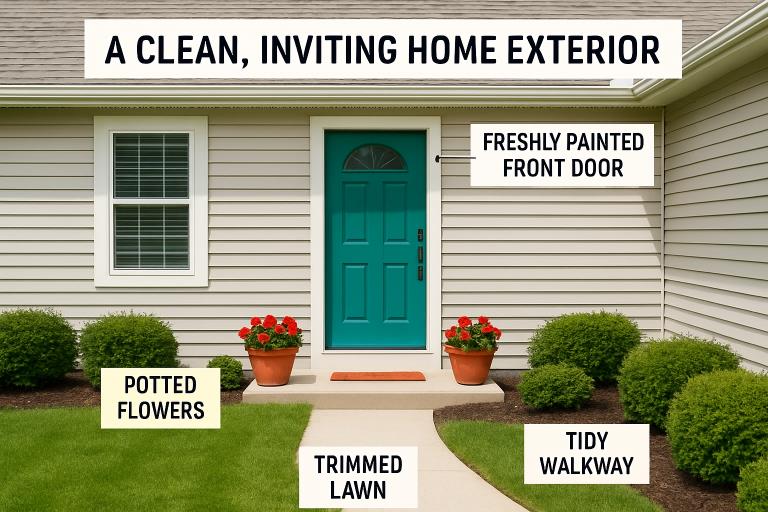
The exterior of your home creates the first impression for buyers and sets their overall tone. Improving landscaping—like trimming hedges, mowing the lawn, and planting flowers—adds charm. Clean walkways, power-wash siding, and repaint the front door for an inviting look. Small upgrades, such as modern house numbers, a new mailbox, or a stylish doormat, boost curb appeal. Simple touches like polished hardware or outdoor lighting also help your listing stand out. Investing in curb appeal attracts buyers faster and can lead to quicker, more profitable sales.
Declutter and Depersonalize
First impressions aren’t just about the outside—what buyers see when they walk in is equally important. Clear excess décor, family photos, kids’ toys, and personal collections to make the home look clean and neutral. When surfaces, floors, and countertops are tidy, rooms seem larger, brighter, and more inviting. Organize closets and storage so they look spacious and functional, as buyers often check inside to see how their belongings might fit. Clearing clutter in garages, mudrooms, and laundry rooms shows that the entire property is well-maintained and ready for new owners. A depersonalized space helps buyers envision making the house their own while assuring them they’re getting a fair deal. Creating this openness and care can increase buyer trust and lead to stronger offers.
Stage Key Living Spaces
Staging isn’t about hiding flaws—it’s about showing your home in its absolute best light and helping buyers make an emotional connection. Arrange furniture purposefully to create an easy flow and to highlight each room’s size and possibilities. In living rooms, keep furniture away from the walls and add textured throw pillows or blankets for warmth. Set the dining table with tasteful place settings or a fresh centerpiece, and dress beds in neutral, inviting linens to make bedrooms look restful. Use mirrors to maximize natural light and add a few well-chosen accessories, like fresh flowers or artwork, to create a welcoming vibe. Don’t forget to stage often-overlooked areas—such as mudrooms or entryways—to reinforce the sense of an organized, move-in ready home. Well-staged homes typically sell faster and may secure bids above the asking price.
Invest in Professional Photography
Nearly all buyers begin their home search online, so your listing images can make or break a potential showing. Professional real estate photographers know how to capture a property’s best features, from flattering angles to optimal lighting that enhances every room. High-resolution, well-composed photos significantly increase click-through rates, requests for showings, and overall online engagement. In today’s market, visual storytelling can also include 3D virtual tours or video walkthroughs, which are particularly valuable for out-of-town buyers or anyone who prefers shopping virtually. These enhancements help your home stand out on major real estate websites and social media platforms, ultimately bringing it to the attention of more qualified buyers in less time.
Address Necessary Repairs
Even minor issues can raise concerns for buyers and slow down the closing process. Before listing, take the time to address common problems such as leaky faucets, cracked tiles, squeaky doors, chipped paint, and dated light fixtures. Walk through your home with a critical eye or consider hiring a pre-listing inspector to flag any hidden issues. Taking care of repairs in advance reassures buyers that your home is well-maintained, reduces the chances of last-minute renegotiations, and can even strengthen your negotiating position. By being proactive, you can often avoid costly concessions during the inspection phase.
Be Flexible with Showings
Your willingness to work around buyers’ schedules can make a significant difference in how quickly your home sells. Many buyers have limited availability, sometimes only in the evenings or on weekends, so the more accessible your home is for showings, the faster you’ll get strong offers. If the property is vacant, consider using a lockbox to allow agents to bring buyers at their convenience. If you have tenants or ongoing repairs, communicate clearly with your agent to set realistic windows for access. Virtual showings have also become extremely popular, making it easier for out-of-town or busy buyers to “tour” your property from anywhere, further expanding your home’s appeal.
Market Your Home Effectively
An effective marketing plan should reach motivated buyers via traditional flyers, open houses, social media, real estate portals, and paid ads. Use appealing, accurate descriptions emphasizing unique features. Monitor market conditions to set a competitive price—overpricing delays sales, while strategic pricing encourages interest and bidding wars.
Conclusion
Presenting a home that is move-in ready, visually appealing, and marketed to today’s buyers will help you stand out, no matter how crowded your local market. By focusing on curb appeal, smart staging, repairs, and flexible showings, you streamline the process for interested buyers and position yourself for a successful, speedy sale. Thoughtful preparation and the use of proven marketing techniques can transform the home-selling journey, giving you peace of mind and yielding a smoother—and often more profitable—transaction.