Key Takeaways
- Clear the installation area of all furniture and personal items to give installers full access.
- Protect adjacent areas to limit dust and debris transfer, ensuring a cleaner home during the project.
- Acclimate flooring materials as recommended to minimize post-installation issues, such as warping or gaps.
- Open communication with your installation team helps prevent delays and misunderstandings.
Clear the Installation Area
Preparing your home for new floors begins with a thorough clearing of the installation site. Remove all furniture, area rugs, and personal belongings to create an open environment for installers. Items stored in closets or hallways leading to the workspace should also be relocated, as even small obstructions can slow the process and increase the risk of damage. To prevent dust and scratches, it’s also wise to temporarily take down drapes, wall hangings, and electronic devices says Pillar PM, company managing real estate in Steinbach.
By providing full access and cleared pathways, you ensure that professional installers—such as the experts at Silver State Flooring in Las Vegas—can get started promptly and work efficiently. Set aside time to thoroughly inspect every area of the installation site to avoid last-minute surprises that could delay your project.
Designate a Work Zone
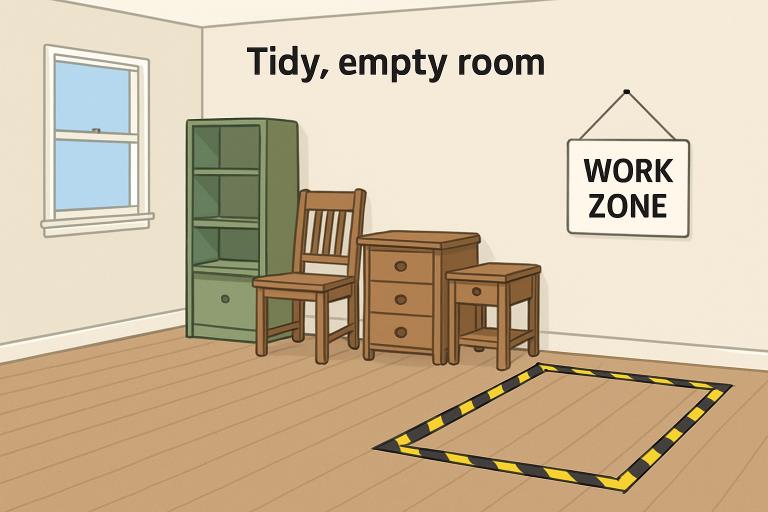
Professional installation requires not just a prepared workspace, but also a staging area for materials, tools, and equipment. Setting up a designated work zone near the project area can keep the rest of your home undisturbed and organized. Consider a garage, laundry room, or protected patio as a makeshift workshop if extra space is needed indoors. Clear communication about the location and boundaries of this work zone can help streamline your workflow and minimize inconvenience to your household.
Providing surfaces such as tables or sturdy areas for storing materials also helps installers stay organized and efficient. If you’re working with multiple rooms, label materials to keep the process orderly and avoid mix-ups.
Protect Adjacent Areas
Dust and debris are inevitable during floor installation, but you can limit their impact on your home by sealing off nearby rooms with plastic sheeting and painter’s tape. Cover valuables, electronics, and furniture close to the work area with old sheets or plastic covers. Ventilating the space—by opening windows or setting up fans—can help dissipate dust and odors, maintaining a healthier environment during the project.
Ensure Proper Subfloor Preparation
The condition of the subfloor is critical to the success and longevity of new flooring. Inspect thoroughly for any uneven spots, squeaks, water damage, or old adhesive that could interfere with installation. Leveling compound or repairs may be required to create a smooth surface and prevent future issues such as buckling or creaking. If you’re unsure how to check the subfloor, it’s best to consult your flooring contractor—many companies provide this as part of their service.
Acclimate Flooring Materials
Before installation, your chosen flooring needs to adjust to the indoor climate—a step known as acclimation. This is particularly crucial for hardwood and engineered wood, which can expand or contract in response to humidity and temperature. Store the unpacked materials within the intended installation area for 48 to 72 hours, maintaining a stable room temperature and humidity. Following manufacturer guidelines for acclimation can help you avoid gapping or warping after your floors are installed.
Plan for Waste Disposal
New flooring installation produces old flooring scraps, underlayment, and packing materials. Make arrangements in advance for debris removal—this may include reserving a dumpster or designating a temporary trash area. Confirm with your installation team whether they handle disposal or if you need to contract a removal service independently. Responsible disposal isn’t just practical; local regulations may dictate exactly how certain materials should be discarded, so clarify these points before work begins.
Communicate with Your Installation Team
Open communication is essential for a smooth project. Discuss any logistical details ahead of time, such as how installers will access the workspace, what utilities or amenities they will require, and expectations for working hours. Keep important phone numbers handy and agree on the best way to communicate if questions arise. Clearly outlining these details helps avoid delays and provides peace of mind throughout the project.
Prepare for Post-Installation Care
Once your new floors are installed, follow all provided post-care instructions to ensure long-term quality. Avoid placing heavy furniture back in the room until the adhesive or finish has fully set, which can take 24 to 72 hours, depending on the type of flooring. Attach felt pads under furniture legs to prevent scratches, and maintain stable indoor humidity for wood or laminate floors.
The steps you take to prepare your home make all the difference in achieving a flawless flooring installation. By investing a little extra effort in preparation and partnering with a reputable company, you can look forward to beautiful new floors that last for years.
Final Thoughts
Proper preparation is the key to a seamless flooring installation. Clearing the space, protecting adjacent areas, acclimating materials, and maintaining open communication with your installation team all contribute to efficiency, safety, and long-term results. By taking these proactive steps and planning, you set the stage for a successful project and ensure your new floors remain beautiful and durable for years to come.