Have you ever ignored a small drip under the sink because it felt like a problem for another day?
Most homeowners have done it. A tiny leak seems harmless. It does not flood the room or ruin the floor. Life feels busy enough already. Yet those small leaks often become the quiet force behind the biggest home upkeep decisions. Rising repair costs, extreme weather, and aging infrastructure have made homeowners rethink what they fix and when. In this blog, we will share how small leaks influence big choices in home upkeep and why paying attention early can save money, stress, and long-term regret.
Small Leaks Are Early Warning Signals
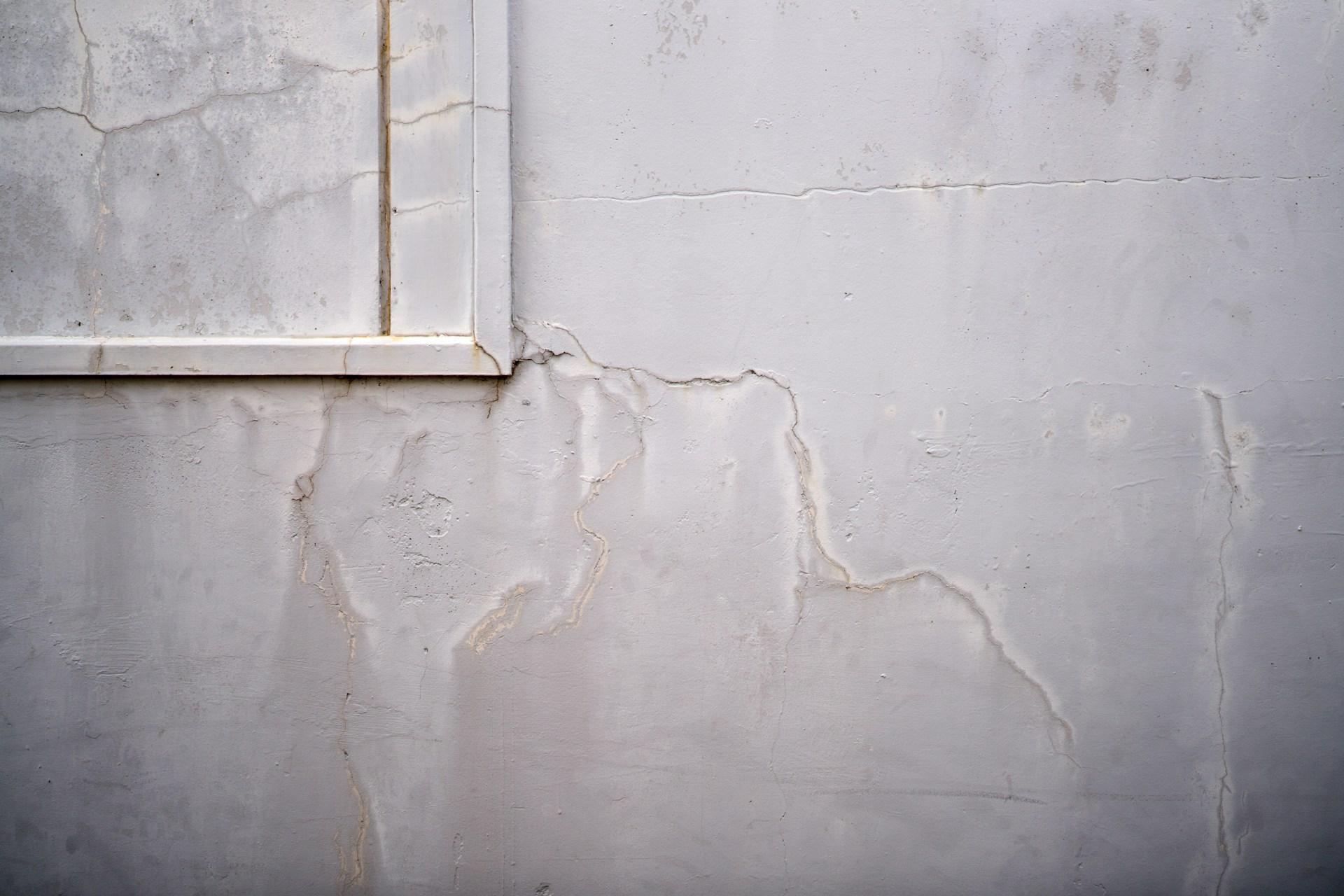
A leak is rarely just a leak. It is a signal. Pipes, roofs, and seals do not fail all at once. They show signs first. A slow drip under the sink, a damp ceiling corner, or a musty smell in the bathroom all point to wear that has already started.
Many homes across the U.S. are aging at the same time. Houses built in the 1980s and 1990s now face worn plumbing and outdated materials. Add stronger storms and shifting weather patterns, and water finds more ways in. These small issues often push homeowners to rethink maintenance priorities.
A minor leak can change renovation plans. Instead of a cosmetic update, homeowners may redirect funds toward plumbing upgrades or roof repairs. That shift can feel frustrating, but it often prevents larger damage later.
When Small Repairs Turn Into Major Decisions
This is where choices get serious. A slow leak behind a wall can lead to mold, warped framing, or damaged insulation. At that stage, homeowners often find that water damage restoration becomes one piece of a much broader repair plan. What started as a small fix now affects budgets and timelines.
Insurance trends play a role here too. Many insurers now scrutinize water claims closely. Some even require proof of maintenance. That has pushed homeowners to act sooner rather than risk denied claims later.
Real-world examples are common. A loose toilet seal can damage subflooring. A cracked pipe under a slab can mean tearing up flooring. These situations force decisions about whether to patch, replace, or remodel entirely. Small leaks often drive the biggest home improvement calls.
Why Water Issues Change Renovation Plans
Leaks often redirect renovation goals. A homeowner may plan a kitchen upgrade but discover pipe corrosion behind cabinets. The budget shifts from style to structure. While that feels disappointing, it often adds more long-term value.
Water affects nearly every part of a house. Floors swell. Drywall softens. Electrical systems become risky. Because of this, leaks push homeowners to think beyond surface fixes. Structural safety comes first.
This shift mirrors broader trends. Homeowners now focus more on resilience than appearance. After years of storms, floods, and supply shortages, durability matters more than ever. A home that handles water well holds value longer.
The Cost of Waiting Versus Acting Early
One reason leaks get ignored is cost fear. People assume repairs will be expensive. Ironically, waiting usually costs more. A simple pipe repair costs far less than replacing walls or flooring.
Time also matters. Water damage spreads quietly. Moisture travels through materials and settles where you cannot see it. By the time stains appear, damage has often spread.
Acting early offers control. Homeowners can choose contractors, plan timing, and protect budgets. Waiting removes those options. Emergencies decide for you.
Practical Ways to Spot Problems Early
You do not need expert tools to catch leaks early. Simple habits help. Check under sinks monthly. Look for water stains on ceilings and walls. Pay attention to sudden spikes in water bills.
Listen for running water when nothing is on. That sound often points to hidden leaks. In colder months, watch for condensation buildup. It can signal insulation or ventilation problems.
Smart home technology helps too. Leak detectors now alert homeowners through phone apps. These devices cost far less than major repairs and provide peace of mind.
How Small Leaks Influence Home Value
Buyers notice water issues quickly. Inspection reports often highlight moisture concerns first. Even small unresolved leaks raise red flags. They suggest neglect, even when the rest of the home looks great.
Homes with documented maintenance history sell more easily. Fixing leaks early and keeping records shows care and responsibility. That matters in competitive markets.
This trend aligns with buyer behavior today. People want homes that feel safe and stable. They prefer fewer surprises. Addressing leaks early protects both comfort and resale value.
The bottom line? Home upkeep does not need to feel overwhelming. It starts with noticing small changes and acting before they grow. When homeowners treat leaks as signals rather than nuisances, they make smarter decisions that protect both their homes and their peace of mind.