Key Takeaways
- Economic and lifestyle factors are reshaping traditional retirement timelines.
- Portable and flexible retirement accounts are addressing the needs of a dynamic, mobile workforce.
- Technological advancements, such as AI, are making retirement planning more accessible and personalized.
- Financial literacy and proactive planning from a young age are now essential for long-term retirement security.
The landscape of retirement planning is experiencing unprecedented change as today’s workforce adapts to fluctuating economic conditions, disruptive technology, and shifting career habits. Employees are no longer sticking to traditional career paths, and as a result, the tools and strategies they use to plan for retirement are also evolving. Modern workers are recognizing the need for more personalized and flexible approaches. They are utilizing tools and services for retirement benefit management to keep their plans aligned with new realities and goals.
Whether you’re just beginning your career or thinking ahead to your golden years, understanding how and why retirement planning is changing can help you build a stronger, more confident future. Many people are turning to technology-driven solutions, rethinking the timing of their retirement, and prioritizing early, informed financial decisions to take control of their futures in a rapidly changing job environment.
Reevaluating Retirement Timelines
The notion of a fixed retirement age is quickly fading. With economic uncertainty lingering and life expectancies rising, employees are forced to reassess when and how they step away from full-time work. Instead of adhering to the traditional retirement age of 65, many are opting to delay retirement for greater financial stability. At the same time, a smaller segment, often buoyed by strategic investments or entrepreneurial ventures, seeks early retirement. According to recent studies, as many as 70% of workers are considering postponing their retirement, reflecting these changing perceptions and needs.
This reevaluation of retirement timing has been fueled by various personal and external factors, including debt obligations, a passion for specific vocations, healthcare costs, and the desire to maintain professional and social connections. As a result, flexible retirement planning strategies are gaining traction.
The Rise of Portable Retirement Plans
Job mobility has become the norm in the modern workforce, with professionals changing careers or employers more frequently than ever before. Portable retirement plans (PRPs) have emerged as an innovative solution to accommodate this trend, allowing workers to transfer their retirement savings seamlessly across different positions and companies. Unlike traditional employer-sponsored plans that often lock funds within a single institution until retirement or job termination, PRPs—such as IRAs and Roth IRAs—offer enhanced flexibility and continued growth, even during career changes.
Gig workers, freelancers, and self-employed individuals benefit particularly from portable options, enabling them to participate more broadly in long-term savings plans. Tax advantages and the ability to personally choose investments also contribute to the growing preference for portable arrangements.
Technological Innovations in Retirement Planning
Technology is an increasingly pivotal component of retirement planning. Fintech applications and robo-advisors utilize artificial intelligence to deliver personalized investment recommendations, streamline savings automation, and expand access to sophisticated financial products that were previously only available to institutional investors. For instance, several fintech platforms are democratizing private credit and alternative investments, making retirement portfolios more diversified and resilient against market volatility. These advances enable individuals to tailor their retirement strategies to align with both their career and life goals.
To further explore the impact of technology on personal finance and retirement strategies, resources such as CNBC’s Retirement section offer updated insights and expert advice on economics and personal investing.
Emphasis on Financial Literacy and Early Planning
Increasingly, schools, employers, and independent organizations are placing a greater emphasis on financial literacy as a crucial component of long-term retirement security. Early engagement—especially for workers in their 20s and 30s—can yield exponential benefits due to the power of compound interest and tax-deferred savings. Financial wellness programs are expanding to teach the principles of budgeting, debt management, and the various investment vehicles available. The more workers understand the fundamentals of retirement planning, the more confident they can be about their futures.
Flexible Work Arrangements and “Flextirement”
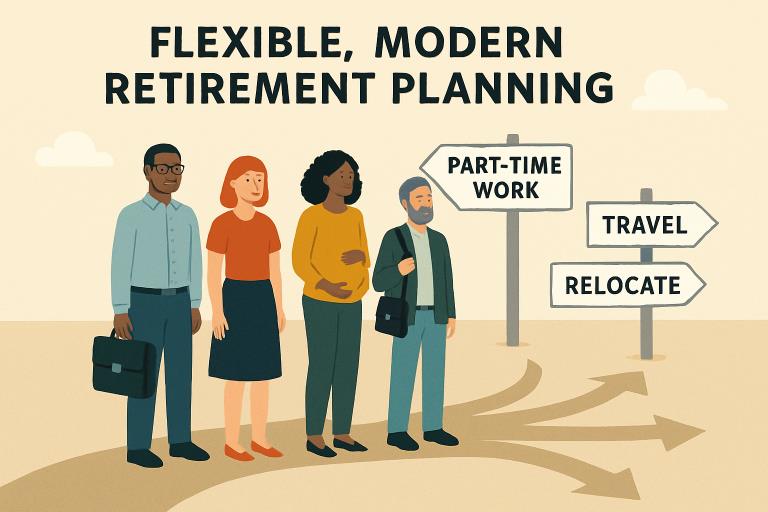
The growing trend of “flextirement,” where individuals move into part-time, consulting, or contract roles during semi-retirement, reflects a shift in how people approach the later stages of their careers. This model meets both financial and psychological needs, allowing retirees to supplement income while avoiding the sudden lifestyle change of full retirement. Beyond monetary benefits, continued work provides a sense of purpose, keeps skills sharp, and fosters social connections that support mental well-being. Surveys indicate that roughly 80% of Americans are open to some form of post-retirement work, highlighting a cultural shift away from the traditional all-or-nothing retirement model. Flextirement offers flexibility, engagement, and financial stability, making it an appealing option for many navigating the transition from full-time employment.
Addressing Retirement Anxiety
Despite advancements and new benefits, many employees still feel unprepared and anxious about retirement. Even though the majority say they trust employer-provided financial advisors, usage rates remain low, creating a gap in accessibility and support. Employers can play a pivotal role by actively promoting these resources and integrating financial wellness tools into their benefits offerings, as discussed in The New York Times’ guide on retirement planning. Proactive support ensures employees are not left to navigate the complicated world of retirement planning alone.
Conclusion
Effective retirement planning in today’s dynamic environment requires a flexible and forward-thinking approach. With evolving workforce trends, shifting economic conditions, and longer life expectancies, individuals must be proactive in preparing for their financial future. Embracing innovative tools, such as digital budgeting platforms, investment apps, and automated retirement accounts, enables more informed decision-making and more efficient wealth accumulation. Staying informed about market trends, tax strategies, and emerging retirement resources is equally important, as it allows individuals to adapt to changes and capitalize on opportunities. By beginning the planning process early and consistently reviewing goals, people can build resilience against uncertainties. Ultimately, a combination of foresight, technology, and disciplined action paves the way for a comfortable, secure, and fulfilling retirement.