Key Takeaways
- Pond hockey nurtures physical and mental skills through unstructured, creative play.
- Participation enhances teamwork, communication, and community bonds among young athletes.
- Exposure to ever-changing outdoor environments builds resilience, adaptability, and a love for the sport.
Introduction
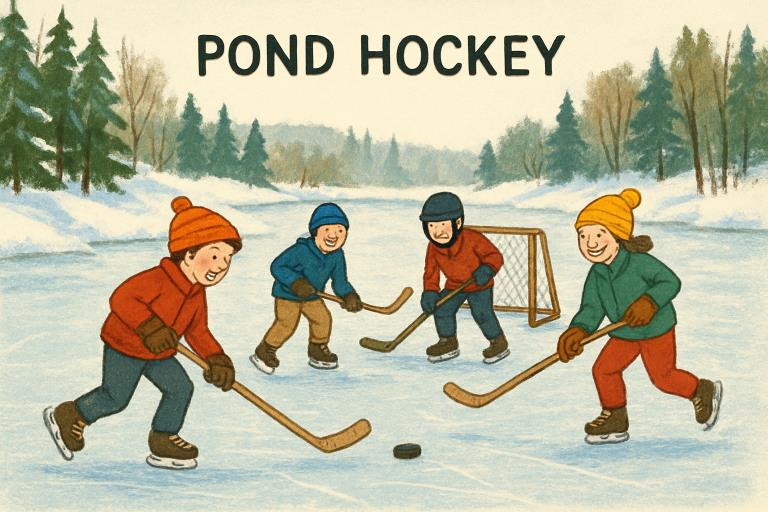
Pond hockey has long been treasured as the most authentic expression of the sport, where young players lace up in the open air and connect with the sport’s roots. The lack of boards and formal structure encourages pure enjoyment of the game. These informal sessions, distinct from the rigor of organized practice, are where the essential skills of tomorrow’s players are forged. Opportunities for amateur hockey abound in communities where frozen ponds and local leagues draw youth together each winter.
Unlike traditional indoor rinks, outdoor rinks and ponds offer a less predictable, more organic playing field. This environment fosters independence and resourcefulness, requiring children to embrace challenges, cooperate, and adapt rapidly. Such attributes often translate into well-rounded athletes—both on and off the ice.
Physical Development Through Unstructured Play
Pond hockey places fewer restrictions on how kids move, giving them the chance to experiment with their bodies in unpredictable settings. On rough, naturally formed ice surfaces, balance and stability are tested as players dodge uneven patches and work around snow drifts. These conditions subtly enhance agility, footwork, and coordination, working muscles that might be overlooked on perfectly manicured indoor ice while also reinforcing the importance of skate sharpening for maintaining control.
Physical activity in ever-changing conditions not only builds stronger muscles and improves skating technique but also helps prevent burnout by keeping the experience fresh and enjoyable. According to NHL.com, outdoor hockey opportunities enable children to gain muscle memory and stamina while cultivating a lifelong love for physical wellness.
Mental Resilience and Adaptability
The unpredictability that characterizes pond hockey demands and develops mental fortitude. Shifts in weather, ice quality, and player numbers require kids to think on their feet and adapt strategies at a moment’s notice. This environment produces young athletes who are not only agile with a stick and puck but also quick-thinking and confident in problem-solving under pressure.
Emphasizing resilience and resourcefulness, pond hockey teaches players to remain positive in the face of setbacks. These lessons can make a substantial difference outside of sports, helping children manage challenges in school and daily life. As players gain these intangible skills, their performance in more formal settings tends to improve as well.
Participation in local leagues, such as the Maine Hockey League, reinforces how outdoor play strengthens both physical and mental abilities—preparing youth for higher levels of competition and cooperation.
Fostering Teamwork and Communication
Pond hockey’s loosely structured teams often feature shifting groupings and self-selected line changes. Without constant adult supervision or coaching, youth naturally take ownership of their teams—organizing plays, establishing boundaries, and ensuring that everyone participates. This framework requires clear communication, compromise, and self-regulation.
Developing Leadership and Social Skills
Young players assume leadership roles as they mediate disputes, draw up impromptu rules, and encourage fair play among friends and newcomers. Such experiences cultivate maturity, empathy, and interpersonal skills vital for young athletes. As noted by The New York Times, self-organized games foster cooperation and social development that structured environments may not.
Encouraging Creativity and Improvisation
Free from strict rules and expectations, pond hockey empowers youth to try new moves, develop unique styles, and push their creativity. Children naturally improvise—making up game formats, goal markers, and inventive plays that are rarely seen in official games. This flexibility is a key driver of on-ice ingenuity and self-confidence.
The Role of Unstructured Play
This culture of experimentation translates into valuable technical development. Players who hone their creativity and risk-taking on the pond often become the most dynamic skaters and playmakers in formal settings, as highlighted in SportsEngine’s youth hockey research.
Building a Love for the Game
Pond hockey’s relaxed atmosphere allows kids to focus on enjoying the game and developing skills for the sheer pleasure of play. By connecting with the sport’s roots, young athletes gain a lasting appreciation—transforming practice from a required obligation into a beloved hobby. This intrinsic enjoyment is the foundation for long-term motivation and a healthy relationship with sports.
Community Engagement and Social Skills
Outdoor rinks and frozen ponds become social centers each winter, where players, parents, and passersby gather. The diversity and camaraderie found on the ice enrich the youth experience, fostering respect and inclusion among participants regardless of their skill level, age, or background. These spontaneous communities create opportunities for mentorship, friendship, and cross-generational connection.
Events such as local tournaments, pickup games, and holiday scrimmages exemplify how pond hockey strengthens social ties and civic pride. According to Visit Maine, the communal aspect of outdoor hockey brings neighborhoods and towns together in celebration of shared tradition and teamwork.
Final Thoughts
Pond hockey remains a powerful tool for developing stronger, more adaptable, and passionate young athletes. Its blend of physical challenge, mental growth, and social interaction creates lifelong benefits—on the ice and beyond. By encouraging creativity, resilience, and community spirit, pond hockey preserves the sport’s enduring appeal and inspires the next generation of hockey stars.