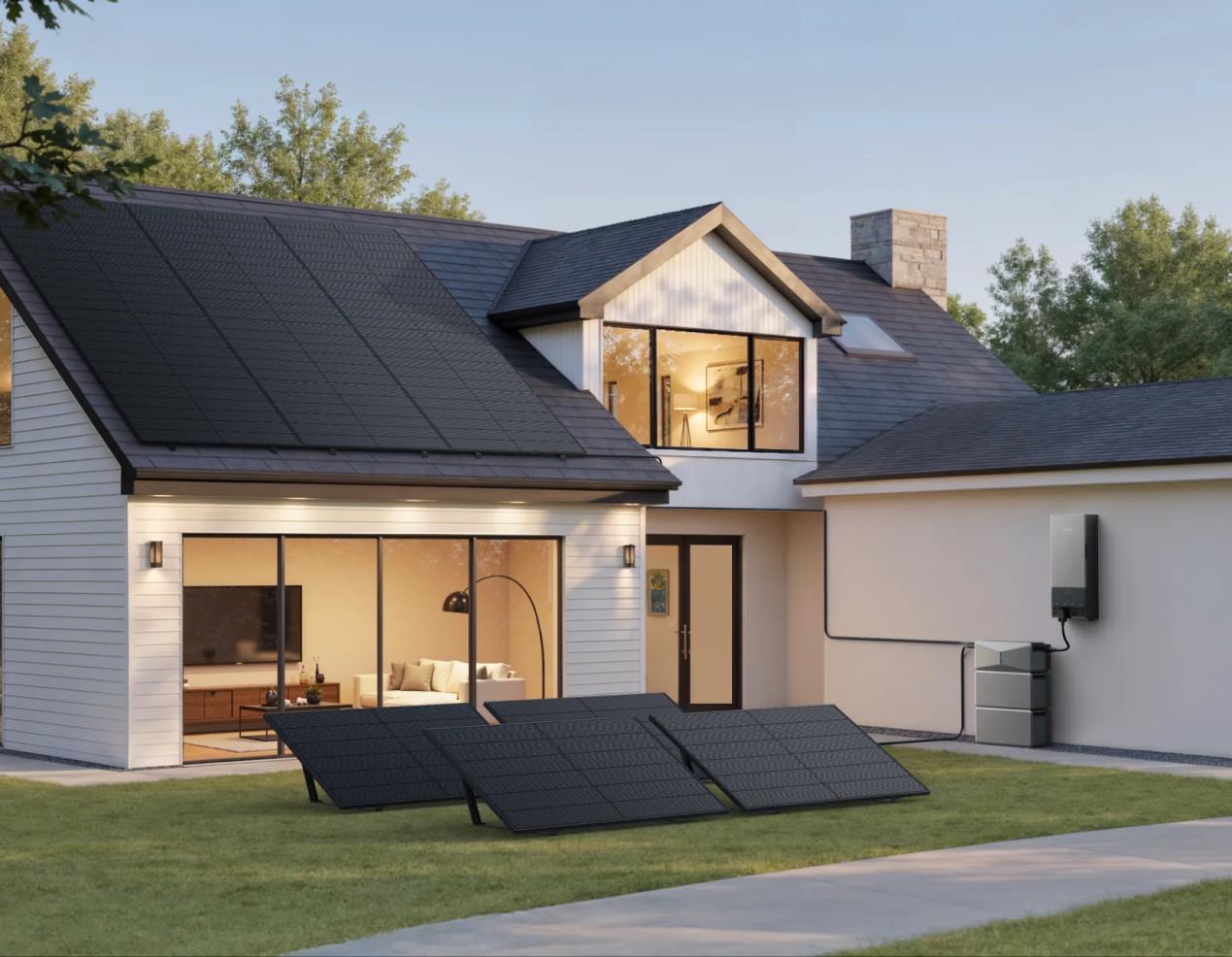
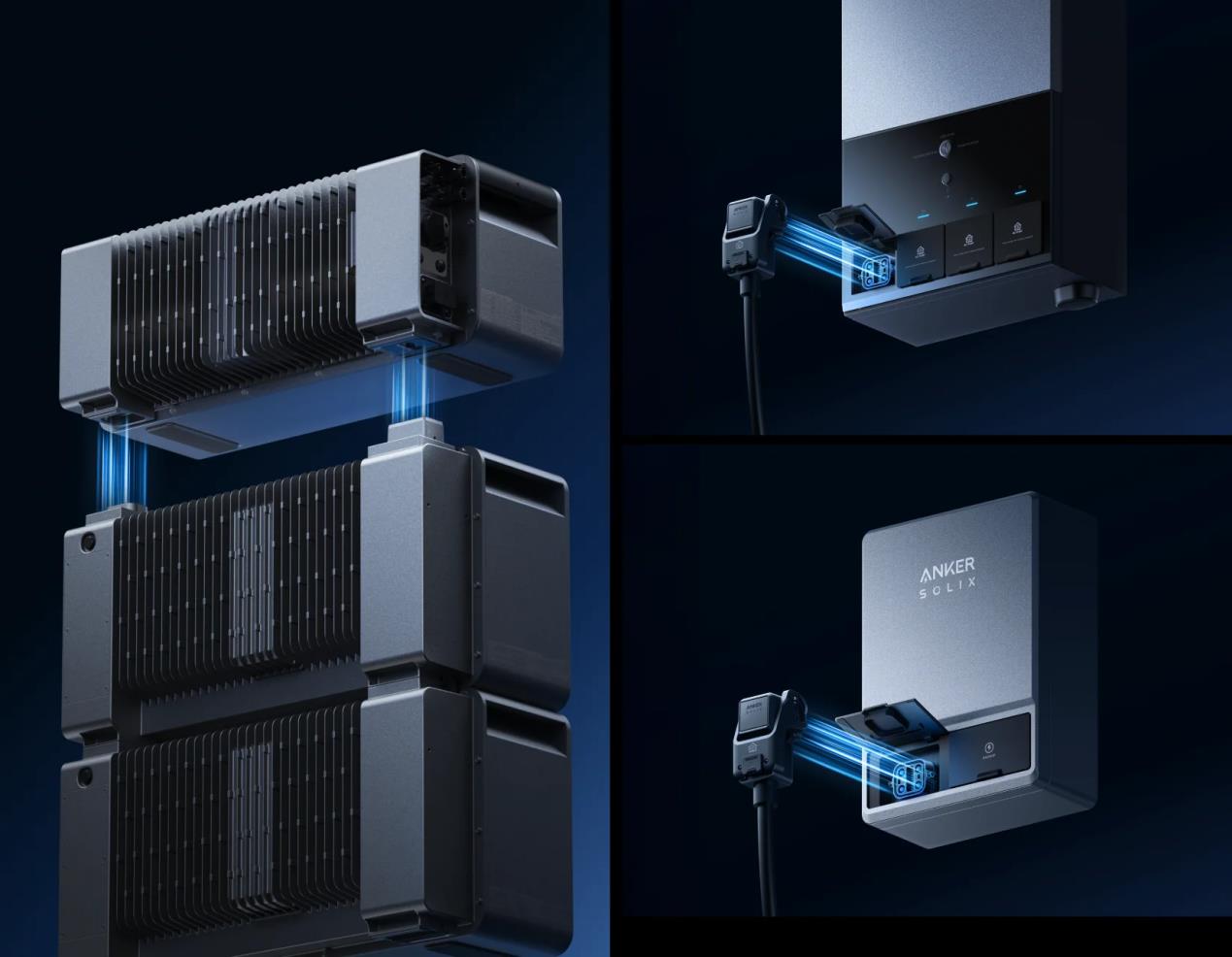
Sudden load spikes test a generator’s real capability more than any published specification. When a refrigerator compressor kicks on, when a heat pump starts, or when multiple appliances activate at once, the electrical system demands an abrupt surge of power. Homes that rely on backup systems quickly see whether their generator can absorb these spikes without dimming lights, tripping circuits, or shutting down major equipment. The response during these moments determines how comfortable, stable, and predictable a home feels during an outage. Modern whole-home solutions—such as the Anker SOLIX E10 (Power Module + 2× Battery) paired with the Power Dock—illustrate how engineering, surge strength, and response logic work together to manage these demands. Understanding generator behavior during load spikes reveals how backup systems really perform.
Why Generators React Differently to Sudden Load Spikes
Motor-Driven Appliances Create High Locked-Rotor Loads
Motor-driven appliances place the biggest strain on generators because they require several times their normal running wattage to start. Air conditioners, well pumps, refrigerators, and dryers all surge when their motors begin turning. The Locked Rotor Amps (LRA) generated during these moments push backup systems to their limits. Homes that underestimate these demands often assume their generator “has enough power,” yet find major appliances refusing to start during outages. Systems designed with strong surge capability handle this challenge more smoothly. The E10 delivers significant surge capacity—enough to start a 5-ton central AC—so heavy appliances come online without hesitation. When a generator meets LRA demands head-on, the home avoids slow restarts, flickering, or tripped breakers. Load spikes reveal whether a system can power real-world appliances, not just the numbers on a label.
Electrical Stability Depends On How Fast A System Compensates
A sudden load spike forces a generator to respond instantly. Mechanical generators must adjust engine speed, fuel flow, and voltage regulation, which takes time. During these adjustments, the home may experience sagging voltage or slight flickers. Electronic systems, especially battery-based solutions, compensate much faster because they deliver stored energy without mechanical delays. The E10 responds within milliseconds, maintaining stable voltage even when high-demand appliances start unexpectedly. This rapid correction helps prevent device resets, dimming, or power fluctuations. Homes that rely on quick-response systems experience smoother outage conditions because the generator absorbs unexpected demand without visible disruption. The speed of compensation—not just total output—determines whether a load spike feels like nothing happened or causes multiple appliances to stumble.
Load Diversity Creates Complex, Real-World Spikes
Homes rarely turn on one appliance at a time. Instead, load spikes come from combined events: heaters, microwaves, pumps, or entertainment systems activating in overlapping moments. These combinations create unpredictable surges. Backup systems must handle not only individual spikes but also overlapping bursts that fluctuate rapidly. Whole-home platforms such as the E10 handle these patterns by supplying turbo output when the home’s demand briefly exceeds its continuous power rating. This additional burst ensures appliances remain powered smoothly until demand stabilizes. Traditional sizing methods often ignore these dynamic, unpredictable spikes, but real homes reveal them clearly. A generator’s ability to absorb multiple, fast-changing loads determines how reliable the home feels during complex outage scenarios.
How Homes And Installations Influence Spike Responses
Panel Configuration Dictates Where Power Moves First
The way a home’s electrical panel distributes loads affects how generators respond to spikes. Selective-circuit setups concentrate demand on a limited number of breakers, making spikes more intense. Whole-panel backup distributes loads across the home, reducing concentrated strain and improving generator performance under stress. The E10 with the 200A Power Dock supports full-panel backup, allowing the system to spread spike loads more evenly. When all circuits receive balanced support, the generator handles surges more gracefully. This highlights a key point: response to load spikes does not depend only on hardware—it also depends on the electrical path the power takes. A system powering the entire panel will behave differently from one feeding only a subset of circuits.
Climate-Driven Appliances Cause Larger Spikes
Homes in hot, humid climates experience more frequent and more intense load spikes because air conditioners cycle often. Cold-climate homes may experience sudden heating surges as heat pumps or electric furnaces activate. Seasonal appliances place unpredictable demands on backup systems throughout the year. Because the E10 supports strong surge loads and central HVAC startup, it performs reliably in climate-intensive homes. This capability matters because HVAC systems often represent the largest single load spike in the home. A backup system that handles HVAC startup without hesitation can support nearly every other appliance without issue. Climate influences spike intensity—and therefore determines how robust a generator must be to maintain stability.
Home Behavior During Outages Changes Load Patterns
During outages, families often run appliances differently than they do during normal days. They may open refrigerators more frequently, use portable heaters, rely heavily on lighting, or run additional devices for comfort. These adjusted behaviors create new spike patterns that differ from what electrical professionals see during planning or system design. A flexible system responds to these unpredictable demands automatically. With its scalable battery storage and ability to supply turbo output during peak moments, the E10 adapts to varying home behaviors without requiring users to ration power. Even homeowners who keep a whole house generator for redundancy see the advantage of a system that responds smoothly to fluctuating conditions. Real-world usage—not theoretical patterns—reveals which systems truly handle spikes effectively.
Conclusion
Generators respond to sudden load spikes based on surge capability, detection speed, fuel or battery delivery, electrical distribution, climate factors, and household behavior. Homes with heavy motor-driven appliances, climate-intensive HVAC systems, or dynamic family routines experience frequent spikes that test generator capacity beyond basic running wattage. Understanding these factors helps homeowners choose systems that deliver stable performance during real-world outages. Whole-home backup solutions like the Anker SOLIX E10 with its 2× Battery and 200A Power Dock excel in these scenarios because they combine rapid response, strong surge handling, and consistent power across the entire electrical panel.