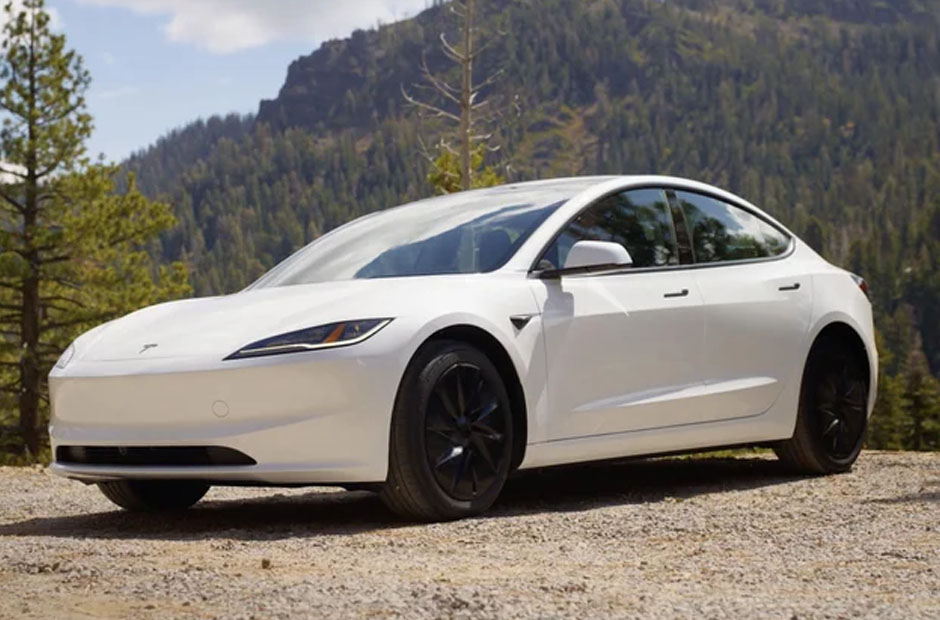
Tesla has once again disrupted the automotive landscape—this time with the release of budget-friendly versions of its Model 3 and Model Y. These stripped-down electric vehicles (EVs) are priced to appeal to a broader audience, but they’ve also sent shockwaves through the dealership world. With fewer features, lower price tags, and a strategic pivot away from luxury, Tesla’s move is reshaping how dealers, competitors, and consumers view the EV market.
In this article, we’ll explore how car dealers are responding, what these new models offer, and what it means for buyers looking to enter the EV space without breaking the bank.
The Budget EVs That Changed the Game
Tesla’s new Model 3 Standard and Model Y Standard trims are priced at $36,990 and $39,990, respectively—roughly $5,000 less than their premium counterparts. These models were introduced shortly after the expiration of the federal $7,500 EV tax credit, a move that many analysts believe was designed to maintain momentum in a price-sensitive market.
To achieve these lower prices, Tesla made several changes:
- Smaller 69 kWh battery packs
- Manual steering wheel and seat adjustments
- Cloth upholstery instead of vegan leather
- No rear touchscreen or ambient lighting
- Fewer speakers and no FM/AM radio
- Simplified exterior design and smaller wheels
Despite these cuts, both models still offer 321 miles of range, competitive acceleration, and access to Tesla’s Supercharger network.
Dealerships on Edge: The Tesla Effect
Traditional car dealerships are feeling the pressure. Tesla’s direct-to-consumer model already bypasses the dealership system, and now with more affordable options, the brand is encroaching on territory once dominated by legacy automakers like Ford, Chevrolet, and Hyundai.
Dealers are reacting in several ways:
- Aggressive discounting: Hyundai and Kia have responded by offering up to $9,800 off models like the Ioniq 5 and EV6.
- Inventory reshuffling: Some dealers are prioritizing hybrid and plug-in hybrid models to appeal to buyers who aren’t ready to go fully electric.
- Enhanced customer service: Dealerships are doubling down on perks like free maintenance, extended warranties, and personalized financing to compete with Tesla’s streamlined buying experience.
Why Tesla’s Move Matters
Tesla’s decision to release budget models isn’t just about price—it’s about accessibility. Elon Musk himself stated, “The desire to buy the car is very high, but people just don’t have enough money in the bank account to buy it”.
This shift is significant for several reasons:
- It broadens Tesla’s customer base, attracting younger buyers and families.
- It pressures competitors to rethink their pricing strategies.
- It accelerates EV adoption, especially in markets where affordability is a barrier.
What Buyers Need to Know
If you’re considering one of Tesla’s new budget models, here are a few things to keep in mind:
- Performance Trade-Offs
While the range remains solid, acceleration and handling are slightly reduced. The Model Y Standard, for example, goes from 0–60 mph in 6.8 seconds, compared to 5.4 seconds in the Premium version.
- Feature Reductions
You’ll lose some creature comforts—no ventilated seats, fewer speakers, and manual adjustments. However, core safety features like adaptive cruise control and blind spot monitoring remain standard.
- No Autopilot
Autopilot and Full Self-Driving (FSD) are not included but can be added for $8,000 or $99/month.
- Financing Options
Tesla offers financing but not leasing for these models. Monthly payments start around $573 for the Model 3 and $622 for the Model Y.
Dealer Strategies: Adapt or Fall Behind
Dealerships are adapting in creative ways:
- EV education programs: Some dealers are training staff to better explain EV benefits and charging infrastructure.
- Bundled incentives: Offering home charger installation, free charging credits, or discounted insurance.
- Used EV inventory expansion: Dealers are stocking more used EVs, including Teslas, to appeal to budget-conscious buyers.
These strategies aim to counter Tesla’s growing influence and retain customers who might otherwise go direct.
The Bigger Picture: EV Market Disruption
Tesla’s budget models are part of a larger trend. With the loss of federal tax credits, automakers are racing to offer affordable electric vehicles that can stand on their own merits.
Other brands entering the budget EV space include:
- Chevrolet Bolt EV – Starting at $28,995 with 255 miles of range
- Hyundai Kona Electric – Starting at $32,975 with up to 260 miles of range
- Nissan Leaf – Starting at $29,990 with a 300-mile range
Tesla’s move forces these brands to innovate, improve build quality, and offer better value.
Public Reaction: Mixed but Curious
Reactions to Tesla’s budget models have been mixed:
- Investors were underwhelmed, with Tesla’s stock dropping 4.45% after the announcement.
- Consumers are intrigued but cautious, weighing the trade-offs between price and features.
- Analysts see the move as a strategic play to maintain delivery momentum rather than expand demand.
Still, the buzz is undeniable. Tesla’s ability to generate headlines and stir conversation remains unmatched.
Conclusion: A New Era for EVs
Tesla’s release of the budget Model 3 and Model Y marks a turning point in the electric vehicle market. By lowering the barrier to entry, Tesla is not only expanding its reach but also forcing the entire industry to evolve.
For car dealers, this means adapting quickly—rethinking inventory, pricing, and customer engagement. For buyers, it means more choices, better value, and a chance to join the EV revolution without paying a premium.
Whether you’re a dealer, a buyer, or just an auto enthusiast, one thing is clear: Tesla’s latest move is more than a product launch—it’s a market reset.
Quick Recap: Key Terms to Know
- Budget Model 3 and Model Y – Tesla’s new entry-level EVs with fewer features and lower prices.
- EV market disruption – The ripple effect Tesla’s pricing strategy has on competitors and dealers.
- Tesla dealership response – How traditional dealers are adapting to Tesla’s direct sales and pricing.
- Affordable electric vehicles – The growing segment of EVs priced under $40,000.