Why City Riders Are Switching to Speedy E‑Scooters
Picture the morning rush from a different perspective: sidewalks floating by, traffic lights synchronising with your pace, and the city unfolding as you take a clear route. Electric scooters at high speeds give that impression while cutting minutes off a daily routine. They avoid bottlenecks, jump ahead at green lights, and make short trips across town fast and dependable at 20–40 mph, depending on the model.
They’re a subtle protest against pollutants and idling engines. They have no tailpipe emissions and use very little energy per mile because they run on electricity. Over time, that’s cheaper, quieter, and less bother than driving in a busy city—no petrol stations, parking hunts, or annual emissions checks. Charge at home or work, roll out, repeat.
What Sets High-Performance Scooters Apart
Speed and power are just the start. The real story lives in the parts you can feel.
- Motors and torque: From 500W commuter units to dual-2000W performance installations, power means faster acceleration and severe hill climbing without wobble or grind. Dual motors provide consistent traction on uneven roads and quick off-the-line responsiveness.
- Batteries and range: Expect 20–50 miles on a charge for many mid-to-high-end models, with typical charge times of 4–8 hours. Some scooters offer removable battery packs, which makes charging in an apartment or office easier and extends life by letting you rotate or replace modules. Regenerative braking can add a smidge of range in stop-and-go riding.
- Braking and stability: Strong brakes are essential at high speeds. Mechanical or hydraulic dual disc brakes stop smoothly. Combine those with front and rear suspension to dampen cracks and cobbles, wide pneumatic tires for grip, and—on serious models—a steering damper to reduce speed wobbles.
- Safety lighting and signaling: Bright headlights, tail lights, side reflectors, and brake light activation are standard on better builds. Integrated turn signals are becoming the new normal, and some scooters add daytime running lights for extra presence.
- Build quality: A rigid stem, solid folding mechanism, and sturdy deck make the difference between a scooter that feels planted at 30 mph and one that chatters. Pay attention to IP ratings for water resistance; an IP54 or higher rating means better confidence in drizzle and light splashes.
- Smart features: Modern scooters increasingly bring app integration for mode selection, range estimates, and diagnostics. NFC locks, passcodes, and alarms help with theft deterrence. Cruise control and configurable acceleration curves let you tune your ride for comfort or urgency.
Who They’re For
Daily commuters who juggle tight schedules will love the consistency. Scooters slip through bottlenecks and free you from train delays or bus bunching, while keeping your time and energy intact. For students and gig workers, they’re nimble, low-cost transportation that plays well with urban life.
Thrill-seekers get a new canvas on weekends—park loops, waterfront paths, and scenic climbs become playful terrain. Rugged tires and beefy suspension turn rough pavement from a nuisance into sport. And eco-conscious riders find a satisfying, immediate way to cut carbon on short trips without sacrificing speed or style.
How to Pick Your Scooter
Start with your routes. If you’re mostly on flat ground under six miles each way, a lighter commuter scooter with a 500–800W motor and a 20–25 mile range will feel agile and easier to carry. Longer commutes, hills, or a desire for brisk acceleration point to dual motors and bigger battery packs.
Weight matters. Powerful scooters weigh 50–80 pounds and are stable on the road but heavy up stairs. If you frequently transport your scooter, choose a 30–45 pound model with a good stem clasp and compact fold. Many scooters support 220–265 pounds, but heavy-duty ones can support 300+.
Check the legal landscape. Cities vary widely on speed caps, where scooters can ride, and whether helmets are required. Make sure your scooter’s top speed and lighting comply. Some models offer speed-limited “eco” or “street-legal” modes that keep you in bounds.
Budget with the long game in mind. While upfront prices span from entry-level commuters to premium performance machines, electricity costs are a fraction of gas. Maintenance focuses on consumables—tires, brake pads, bearings—rather than complex engine care. Factor in a good lock, maybe insurance, and a basic toolkit, and you’re set.
Ride Smart: Safety and Etiquette
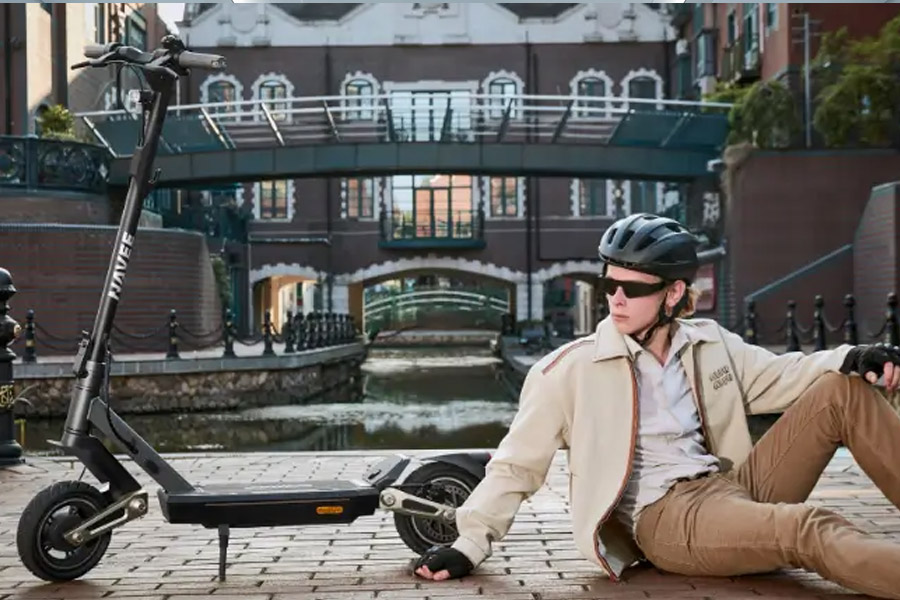
Treat speed as a privilege. Helmets are non-negotiable, and protective gloves improve grip and fall protection. At night, turn yourself into a beacon with high-output lights and reflective accents. Leave room for errors—yours and others’. Signal your moves, make eye contact at intersections, and keep a friendly buffer around pedestrians.
Practice mechanics. Smooth acceleration stabilises wheels. Stage brakes—rear then front—to balance. Kneel softly, engage your core, and ride comfortably to avoid instability at high speed. In wet conditions, slow down, brake farther, and avoid paint lines, metal grates, and standing water.
Buying and Ownership Essentials
Online shopping offers variety, while speciality shops offer hands-on demos and expert assistance. Check warranties—reputable brands cover major components for a year or more. Batteries and tires are changeable, but proprietary electronics need long-term firmware support and parts availability.
Consider storage, charging, and safety. Electronics and rubber stay dry indoors. When storing for weeks, prevent full discharges and keep your battery at 40–60% charge. When parking in public, use a good U-lock or chain with a discreet alarm or NFC lock. For peace of mind, consider basic personal mobility insurance if your area allows.
FAQ
How fast do high-speed e‑scooters really go?
Most consumer models top out between 20 and 40 mph, with performance variants pushing higher where legally permitted.
How far can I ride on one charge?
Typical range is 20–50 miles depending on battery capacity, rider weight, terrain, and speed.
Are high-speed scooters legal in cities?
Rules vary by city; check local speed limits, bike lane access, and helmet requirements before riding.
Do I need a special license or insurance?
Many places don’t require licenses, but insurance may be available or recommended; always verify local regulations.
Can they climb steep hills?
Dual‑motor scooters with higher wattage handle hills confidently, while lower-power models may slow on steep grades.
What maintenance should I expect?
Plan for tire checks, brake pad replacements, occasional bolt tightening, and keeping the battery charged and clean.
Are solid tires better than pneumatic?
Solid tires avoid flats but ride harsher; pneumatic tires offer better grip and comfort at the cost of potential punctures.
Is riding in the rain safe?
Light rain can be manageable with an IP-rated scooter and cautious speed, but heavy downpours and deep puddles should be avoided.